
Tour Itinerary Design and Guided Tour
遊程設計與導覽
遊程設計與導覽社群的目標是設計出具馬頭山地方特色的生態人文遊程。在生態遊程專家的帶領下,引導社群成員探索生物多樣性的保育觀念,培養建立基本的環境教育知識,以及設計生態旅遊和體驗活動的能力,以規劃出具吸引力的遊程內容並培育導覽解說人才。未來,希望透過對外推廣這些旅程,讓更多人認識馬頭山,並吸引大眾對馬頭山生態的重視與關注。
114年 遊程設計與導覽社群第2次研習
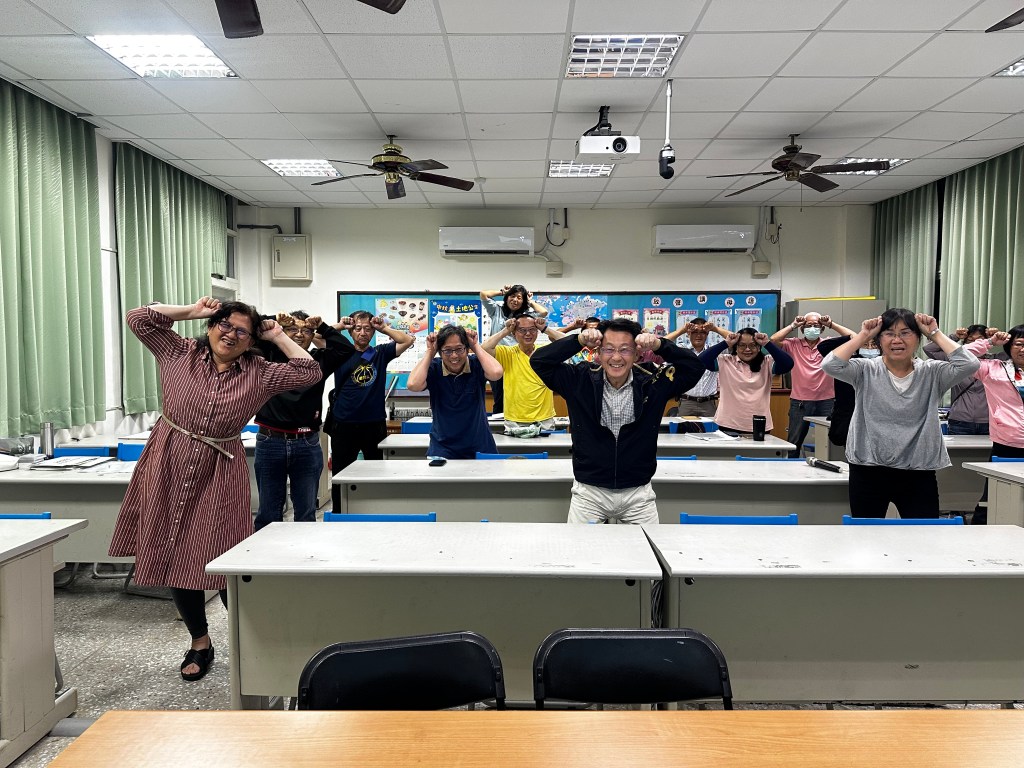
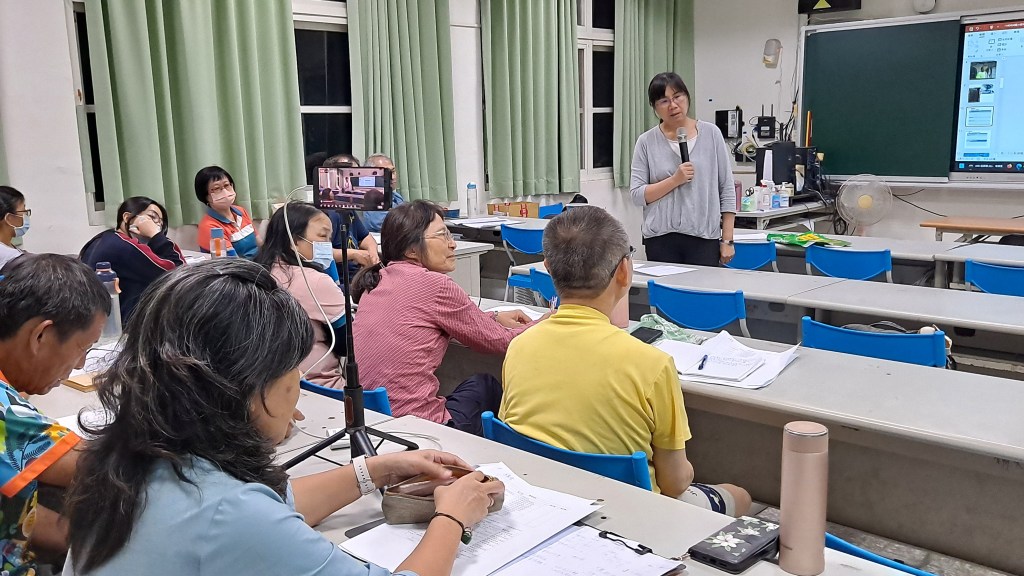
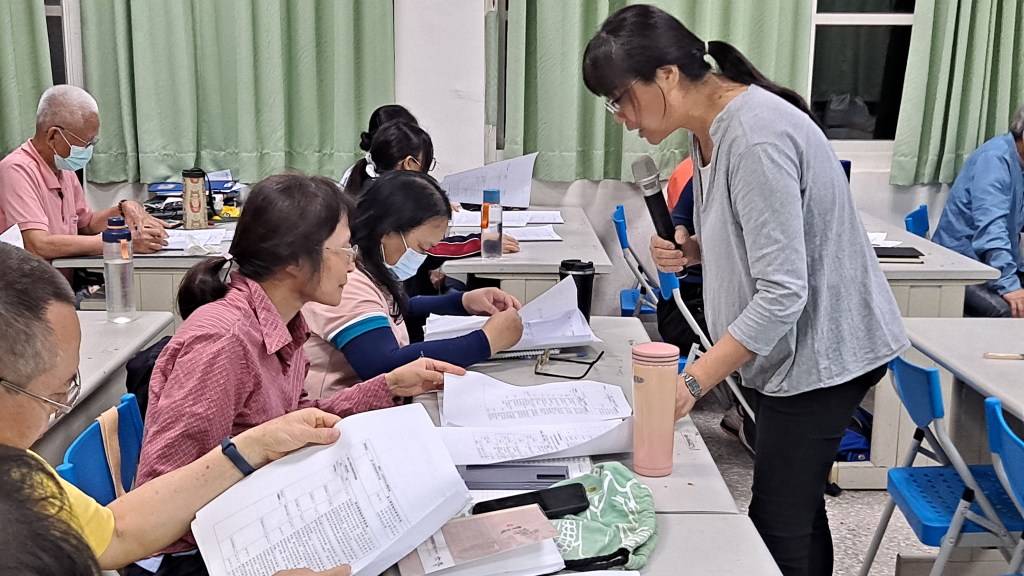
時間:4/24(四) 18:30-21:30
地點:觀亭國小
講師:蕭秀芸老師
馬頭山遊程設計與導覽社群第二次研習活動,特別邀請環境教育教師蕭秀芸老師擔任講師,帶領夥伴們進行國小中、高年級教案設計的初步理解與應用。
The second workshop of the Matoushan Itinerary Design and Tour Guide Community invited environmental education teacher Ms. Hsiu-Yun Hsiao as the instructor. She guided participants through the fundamentals of lesson plan development and application for upper elementary school levels.
研習一開始,講師先說明完整教學設計應涵蓋低年級、中年級、高年級、國中、高中及社會大眾(其中高中與社會大眾可合併設計)。本次研習聚焦於國小中、高年級的教案發想,並以馬頭山的七個導覽地點作為設計主軸,包括:(1) 馬頭山自然基地、(2) 半天寮、(3) 生態廊道、(4) 埤塘文化、(5) 活動中心、(6) 校長舊居、(7) 說菜人(在地特色料理廚房)。
At the beginning of the workshop, the instructor explained that a complete lesson plan should cover six target groups: lower, middle, and upper elementary levels, junior high, senior high, and the general public (with senior high and the general public often combined). This session focused on designing lesson plans for upper elementary levels, using the seven key sites of Matoushan as the core framework:
(1) Matoushan Natural Base
(2) Bantianliao
(3) Ecological Corridor
(4) Pond Culture
(5) Activity Center
(6) Former Principal’s Residence
(7) “Food Storyteller” (Local Cuisine Kitchen)
講師特別指出,馬頭山教案設計可結合自然領域與綜合領域課綱,並以教育部課綱的學習階段作為規劃基礎,設計出符合不同年齡層需求的學習目標與內容。課程中進一步說明學習表現與學習內容的差異,學習表現強調學生能夠表達、行動與應用(如提出問題、進行觀察等)的能力,而學習內容則著重於知識的理解與建構(如自然環境知識、生態系統概念等)。
The instructor emphasized that lesson plans for Matoushan can integrate the Natural Sciences and Interdisciplinary curriculum guidelines. These plans should be designed according to the Ministry of Education’s learning stages, creating appropriate learning objectives and content for different age groups. The course also highlighted the distinction between learning performance (the ability for students to express, act, and apply—such as asking questions and making observations) and learning content (the construction of knowledge, such as understanding the natural environment and ecosystem concepts).
講師提醒,實際導覽過程中,教案可以作為講解時的提醒與補充,幫助講師掌握重點、避免遺漏。同時設計教案時,每個場域的目標不需過多,同一個目標也可在多個地點應用。最終希望能夠將生活、生產、生態三者結合,回應聯合國永續發展目標(SDGs)的核心精神。
The instructor reminded participants that during actual tours, lesson plans can serve as reference and supplementary material to help guides cover key points and avoid omissions. When designing lesson plans, each site’s objectives need not be too numerous, and the same objective can be applied across multiple sites. Ultimately, the goal is to integrate life, production, and ecology, aligning with the core spirit of the United Nations Sustainable Development Goals (SDGs).
研習中,講師以各導覽地點為例,帶領學員思考課綱對應與教學發想。例如,馬頭山自然基地可結合自然課綱第二學習階段(中年級)「ai-II-1:保持對自然現象的好奇心,透過不斷探尋與提問,獲得新發現」,介紹馬頭山特殊的馬型山勢、穿山甲的生態與棲息環境,並引導學生從「為什麼穿山甲適合住在這裡」的問題中學習觀察、發問及探究。同時學員也提出延伸想法,將不同環境對飲食文化的影響(如INF-II-2)納入教案,例如馬頭山因有水源而發展稻作與甘蔗種植,進一步探討飲食與環境的連結。
During the session, the instructor guided participants through specific examples for each site, encouraging them to think about corresponding curriculum goals and teaching ideas. For instance, the Matoushan Natural Base can be linked to the Natural Sciences Curriculum, Stage 2 (Grades 3-4), particularly ai-II-1: Maintaining curiosity about natural phenomena, exploring and asking questions to make new discoveries. The instructor introduced the unique horse-shaped mountain formation of Matoushan, the ecology and habitat of pangolins, and guided students to explore questions like “Why is Matoushan a suitable habitat for pangolins?” (considering features like bamboo forests and abundant ants). This approach nurtures students’ inquiry and questioning skills while integrating ecological conservation concepts. Participants also proposed extended discussions on the influence of the environment on food culture (such as INF-II-2), for example, how Matoushan’s water resources have supported rice and sugarcane farming, connecting food, environment, and lifestyle.
講師最後提醒,馬頭山教案設計亦可結合聯合國永續發展目標(SDGs)理念,馬頭山能呼應以下指標:
目標4:優質教育
目標6:淨水及衛生
目標8:合適的工作與經濟成長(部分適用)
目標11:永續城鄉(產業、經濟、社會永續發展)
目標12:責任消費及生產(強調無毒種植、自然農法)
目標13:氣候行動(協助減緩氣候暖化效應)
目標15:保育陸地生態
目標17:多元夥伴關係(如馬頭山自然人文協會、內南社區發展協會等)
Finally, the instructor reminded the group that lesson plans can also incorporate the United Nations Sustainable Development Goals (SDGs). Matoushan’s educational design aligns with the following SDG targets:
Goal 4: Quality Education
Goal 6: Clean Water and Sanitation
Goal 8: Decent Work and Economic Growth (partially applicable)
Goal 11: Sustainable Cities and Communities (industrial, economic, and social sustainability)
Goal 12: Responsible Consumption and Production (emphasizing pesticide-free farming and natural agriculture)
Goal 13: Climate Action (contributing to climate change mitigation)
Goal 15: Life on Land (conservation of terrestrial ecosystems)
Goal 17: Partnerships for the Goals (such as Matoushan Natural and Cultural Association, Neinan Community Development Association, etc.)
本次研習課程不僅強化學員對教案設計的認識與應用能力,也讓大家更深入理解如何將課綱內容融入地方資源與永續發展目標,為未來推廣馬頭山遊程設計與導覽工作奠定紮實基礎。期待未來持續透過社群學習,共同開發更多結合在地特色與教育意義的優質教案,讓馬頭山的美好能被更多人看見。
This workshop not only enhanced participants’ understanding and skills in lesson plan design but also deepened their knowledge of how to integrate curriculum content with local resources and sustainability goals. It laid a solid foundation for promoting Matoushan itinerary design and tour guide work in the future. We look forward to continued learning through our community and to developing more high-quality lesson plans that highlight local characteristics and educational value, so that the beauty of Matoushan can be seen, appreciated, and cherished by more people.
114年 遊程設計與導覽社群第1次研習
時間:4/16(三) 18:30-21:30
地點:觀亭國小
講師:張正杰老師
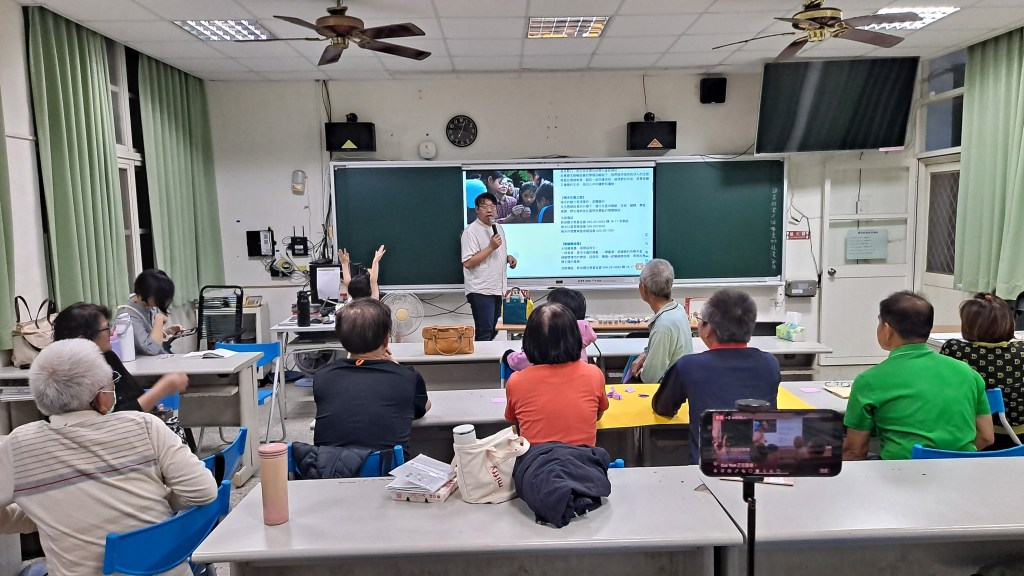
馬頭山遊程設計與導覽社群第一次研習活動,邀請恆春在地創生負責人張正杰老師擔任講師,以分組討論、腦力激盪讓帶領社群夥伴進行導覽互動遊戲設計的初步設計。
The Maotoushan Tour Design and Interpretation Community recently held its first workshop, inviting Mr. Chang Cheng-Chieh, a local cultural regeneration leader from Hengchun, as the keynote speaker. Through group discussions and creative brainstorming, Mr. Chang guided community members in the initial design process of interactive games for guided tours.
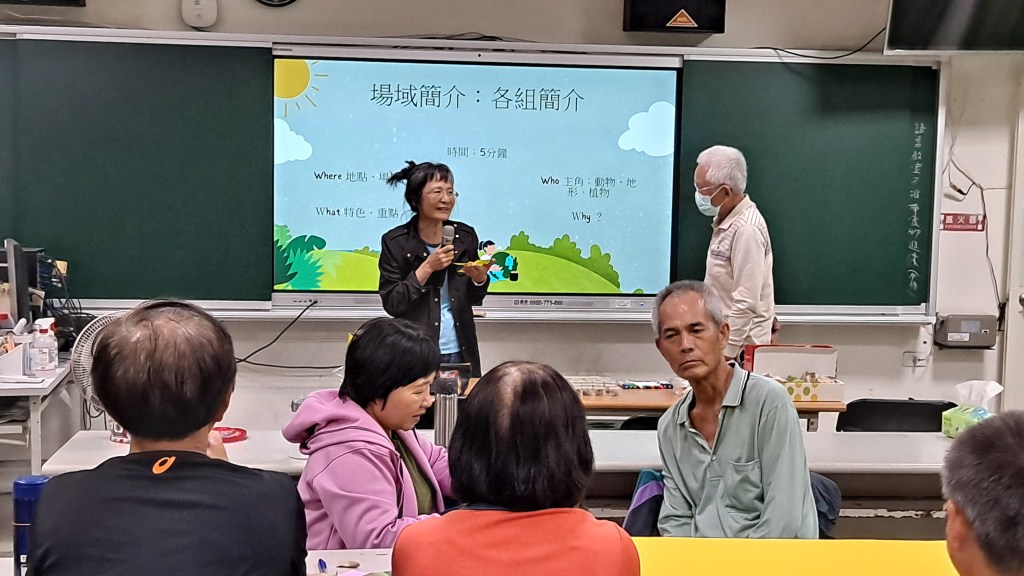
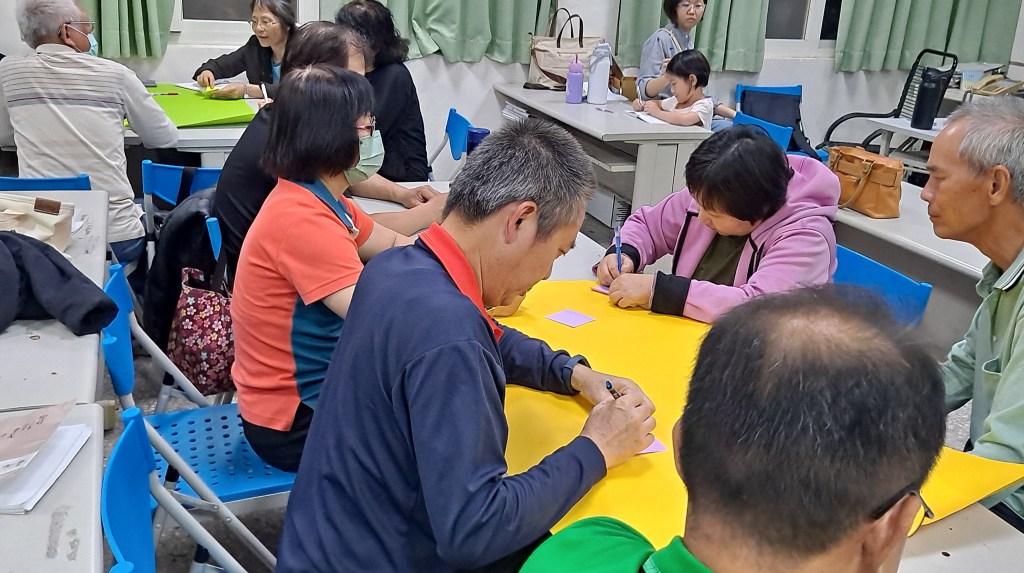
研習一開始,學員依興趣分為三組:「民俗植物組」、「生態廊道組」及「惡地露頭組」。各組成員先進行自我介紹,並透過交換紙條進行跨組互動,促進彼此間的連結與交流。接著,各組展開第一次分組討論,盤點所屬導覽場域的特色,從四大面向進行場域剖析:
Where:場域位置及空間特徵
What:場域特色與可觀察重點
Who:場域中的主角(如代表性動植物、地質景觀等)
Why:推薦遊客前來體驗的原因
At the start of the workshop, participants were divided into three groups based on their interests: the “Ethnobotany Group,” the “Ecological Corridor Group,” and the “Badland Outcrop Group.” Each group began by introducing themselves, followed by a cross-group interaction activity where members exchanged paper slips containing personal details to foster connection and engagement among participants.
Following the introductions, each group engaged in a discussion session focused on analyzing the unique characteristics of their respective tour sites, structured around four key aspects:
Where: The location and spatial features of the site.
What: The site’s highlights and key points of interest.
Who: The “main characters" of the site, such as representative plants, animals, or geological features.
Why: Reasons to recommend the site to visitors for an enriching experience.
在分組討論後,講師分享如何運用數位工具提升導覽體驗,並以實例示範如何透過 ChatGPT 進行資料查詢與內容生成,鼓勵學員將 AI 技術融入體驗設計中。
After the group discussions, the instructor introduced ways to enhance tour experiences using digital tools. He demonstrated how to utilize ChatGPT for research and content generation, encouraging participants to integrate AI technology into their interactive game designs.
最後,學員進行第二次小組討論,根據所學內容提出簡易的產品設計提案,內容包含核心理念(Why)、目標客群(Who)、預估人數與收費(How much)、產品名稱、行程主題及流程設計。透過上台分享,學員展現豐富的創意與對在地資源的深刻理解,為後續課程的發展奠定基礎。
The workshop concluded with a second round of group discussions. Participants developed simple product proposals based on their learnings, which included the following components: the core concept (Why), target audience (Who), estimated number of participants and pricing (How much), as well as the product name, tour theme, and activity flow design. Each group then presented their proposals, showcasing their creativity and deep understanding of local resources, laying a solid foundation for future course development.
本次研習活動不僅促進社群成員對馬頭山各導覽場域的認識,更強化夥伴們以「設計思維」進行體驗活動開發的能力,鼓勵將自然生態、地景特色等轉化為有趣且具教育價值的互動遊戲。未來社群將持續透過研習與實作,積累更多實務經驗,期望共同打造出兼具地方特色與環境教育意義的優質遊程,讓更多人看見馬頭山的多元之美。
This workshop not only enhanced community members’ knowledge of Maotoushan’s various tour sites but also strengthened their ability to apply design thinking in developing engaging and educational interactive activities. By transforming natural ecology, geological features, and local culture into meaningful experiences, the community aims to create high-quality, sustainable tours that highlight Maotoushan’s unique beauty. The community will continue to learn and collaborate through future workshops, striving to showcase the diversity and richness of Maotoushan to a wider audience.
113年 遊程設計與導覽社群第5次研習
時間:9/8(日) 10:00-12:00
地點:觀亭國小
講師:蕭秀芸老師
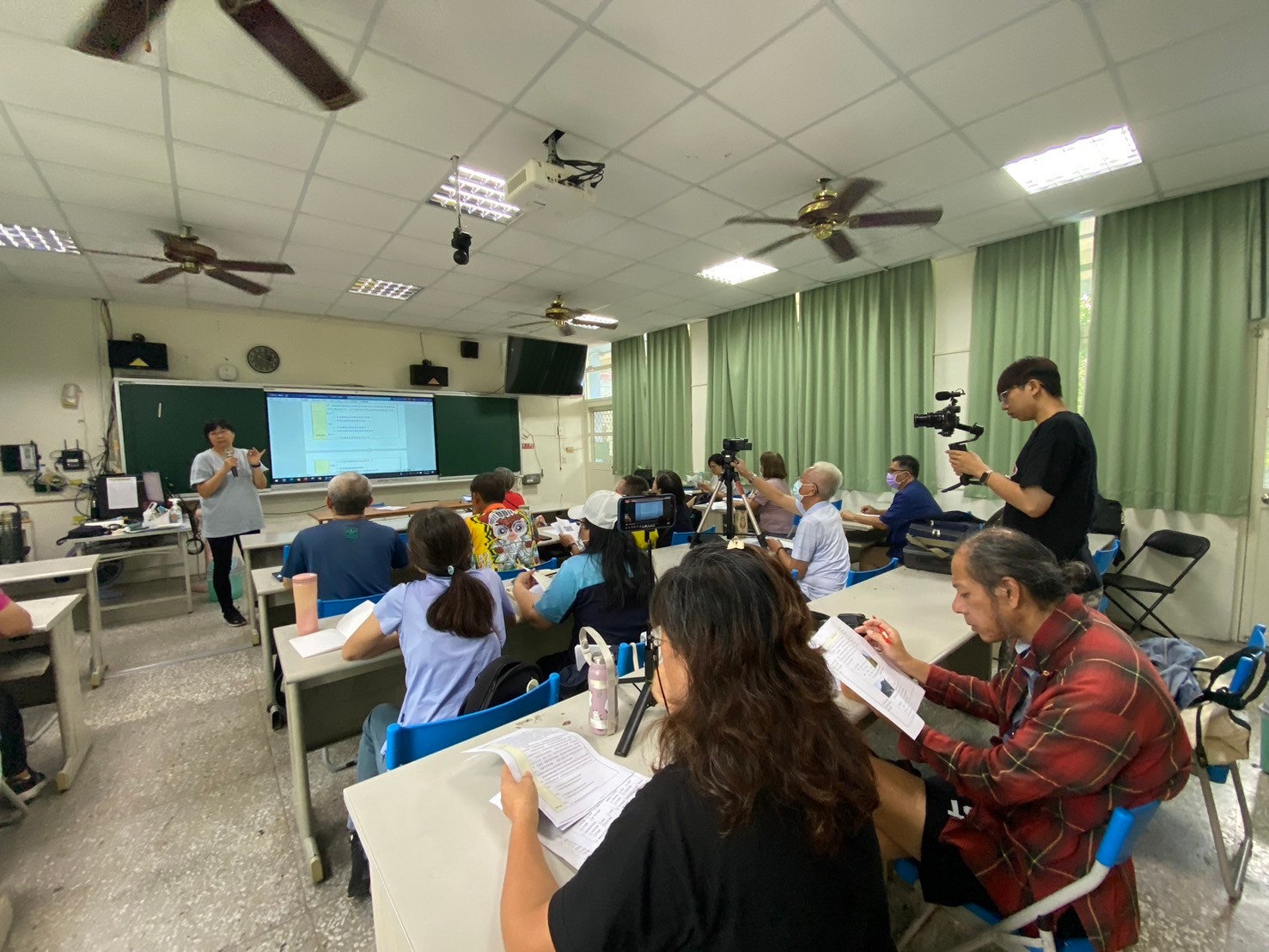
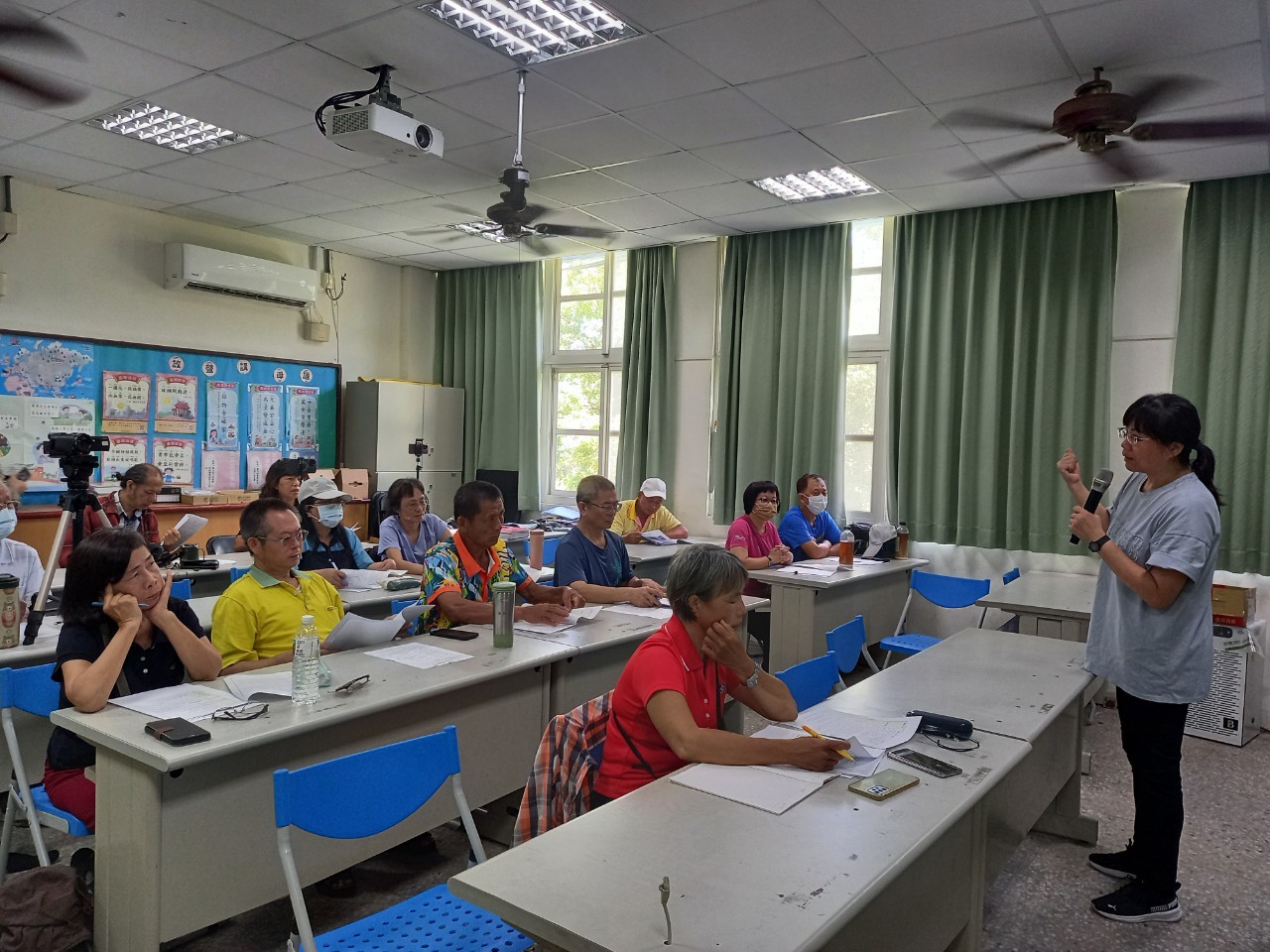
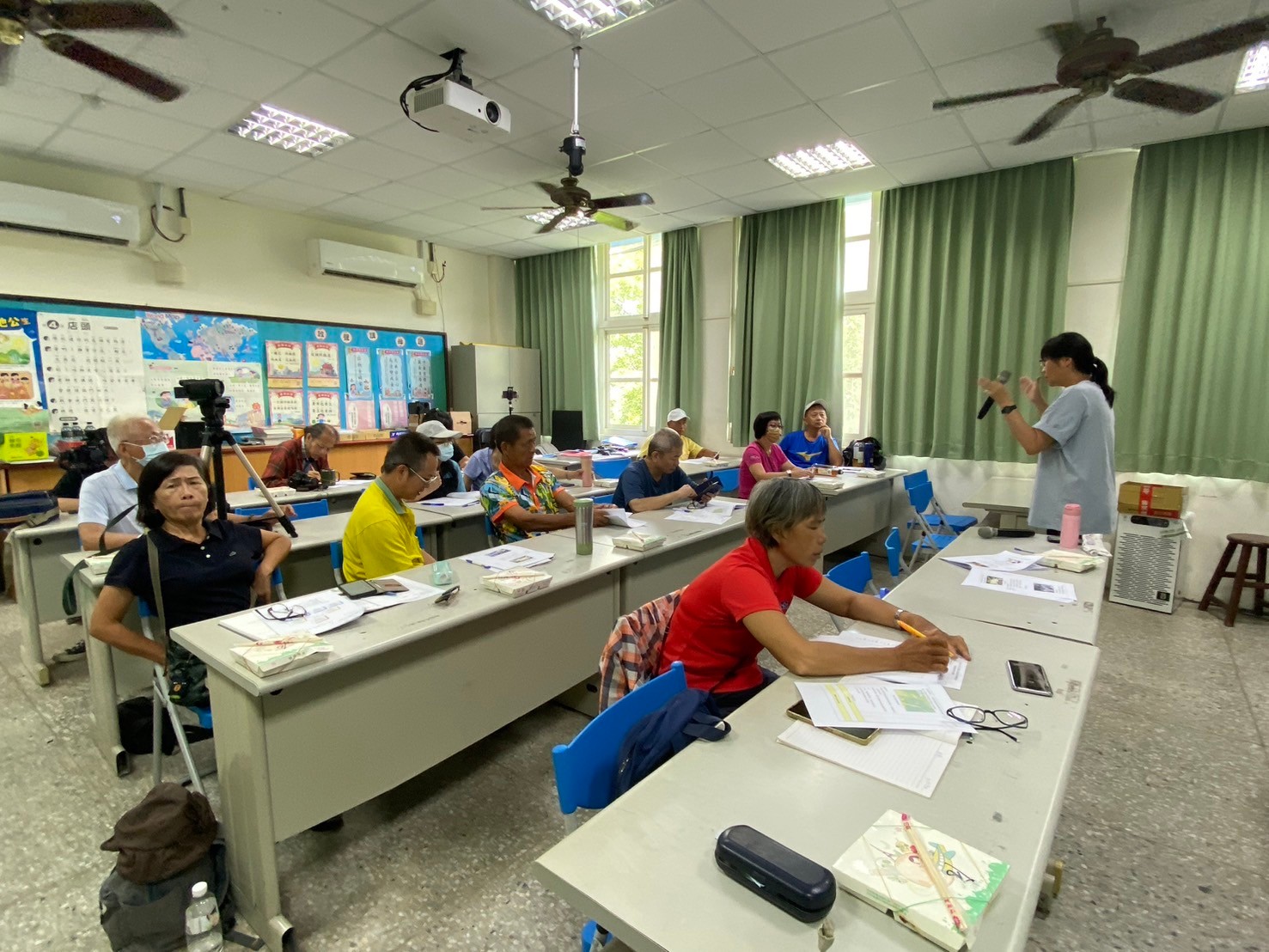
在今日馬頭山遊程設計與導覽社群的第六次研習中,環境教育教師蕭秀芸帶領學員進一步完善生態廊道的導覽規劃,並針對8個站點整理出涵蓋自然生態與在地人文的導覽教案。
In the sixth workshop of the Ma-Tou Mountain Tour Design and Guiding Community, environmental education instructor Ms. Hsiao Hsiu-Yun guided participants in refining the interpretive plans for the ecological corridor. The session focused on organizing a comprehensive teaching plan covering the natural and cultural highlights of the eight key stops along the corridor.
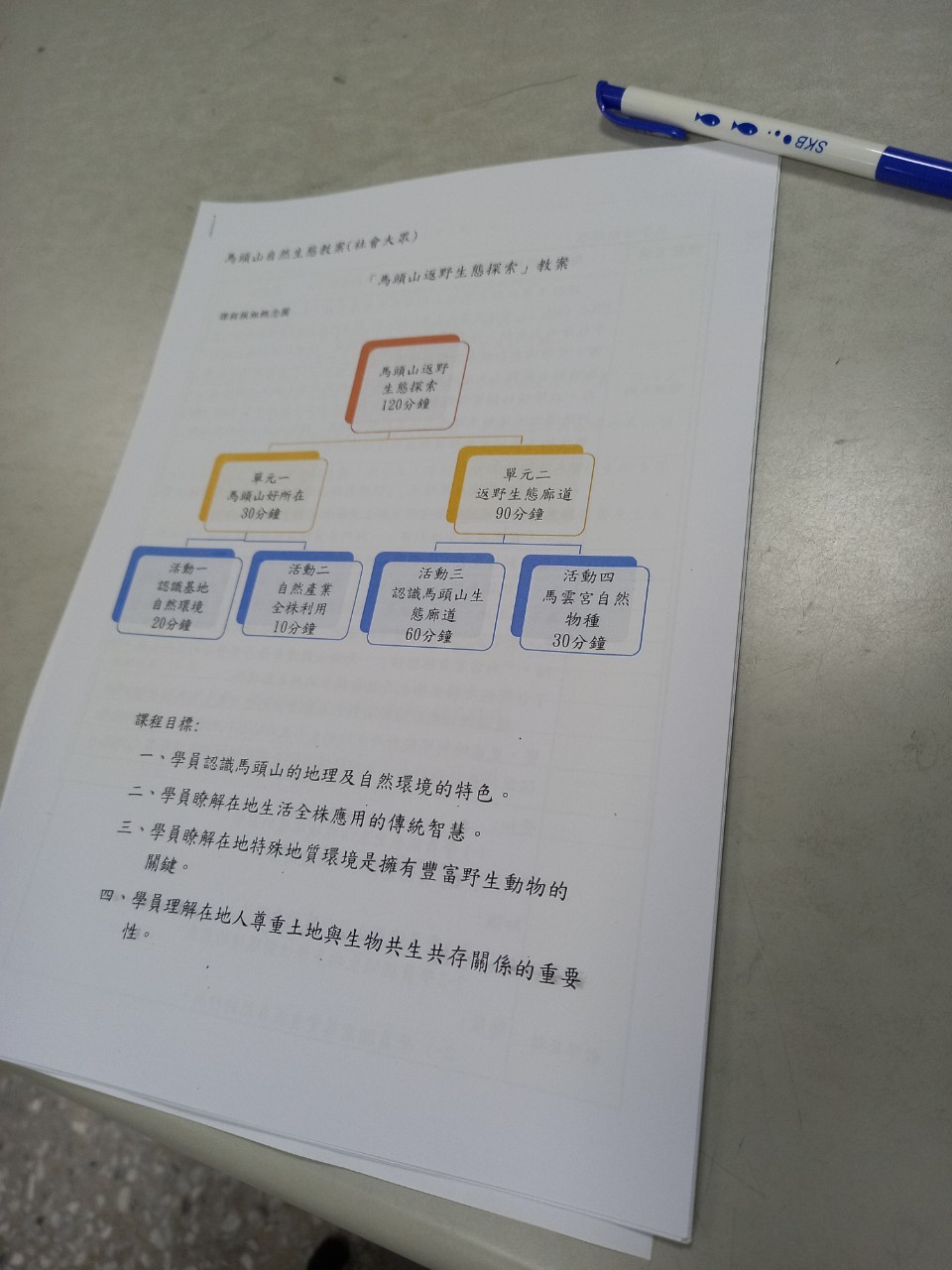
老師發下學員們在前幾次課堂中,大家針對生態廊道的八個站點,提出的不管是自然生態,抑或是人文歷史的地方故事,統整出的導覽教案內容。講義中提到學員們往後導覽內容裡,主要需涵蓋的主題,包含認識馬頭山地理及自然環境的特色、在地生活與當地特色植物—刺竹的日常妙用、馬頭山特殊的地質環境是擁有豐富野生動植物的關鍵、在地人尊重土地與生物共生共存的重要性等。課程中老師並分享解說時能夠引起觀眾注意力的小技巧,例如如何利用活潑的問答方式以激起民眾的好奇心。
Ms. Hsiao distributed a draft teaching guide based on the ecological and cultural insights contributed by participants in previous sessions. The guide emphasized key topics to be addressed during tours, such as:
- Understanding the geography and natural environment of Ma-Tou Mountain.
- The practical uses of local plants like thorn bamboo in daily life.
- The geological uniqueness of Ma-Tou Mountain and its role in supporting diverse wildlife.
- The importance of respecting the land and promoting coexistence with local flora and fauna.
She also shared tips on capturing audience attention, such as incorporating engaging questions to spark curiosity.
蕭老師的教案上也列出幾個各景點適用的簡單題目供學員參考,並也請大家自行補充。蕭老師表示,如果民眾無法回答解說員所提出的問題,解說員可以自問自答的方式接續完成這個題目的解說。
The guide included sample questions tailored to each site, and participants were encouraged to add their own. For example, if visitors cannot answer a guide’s question, the guide can seamlessly follow up by answering it themselves, maintaining the flow of the presentation.
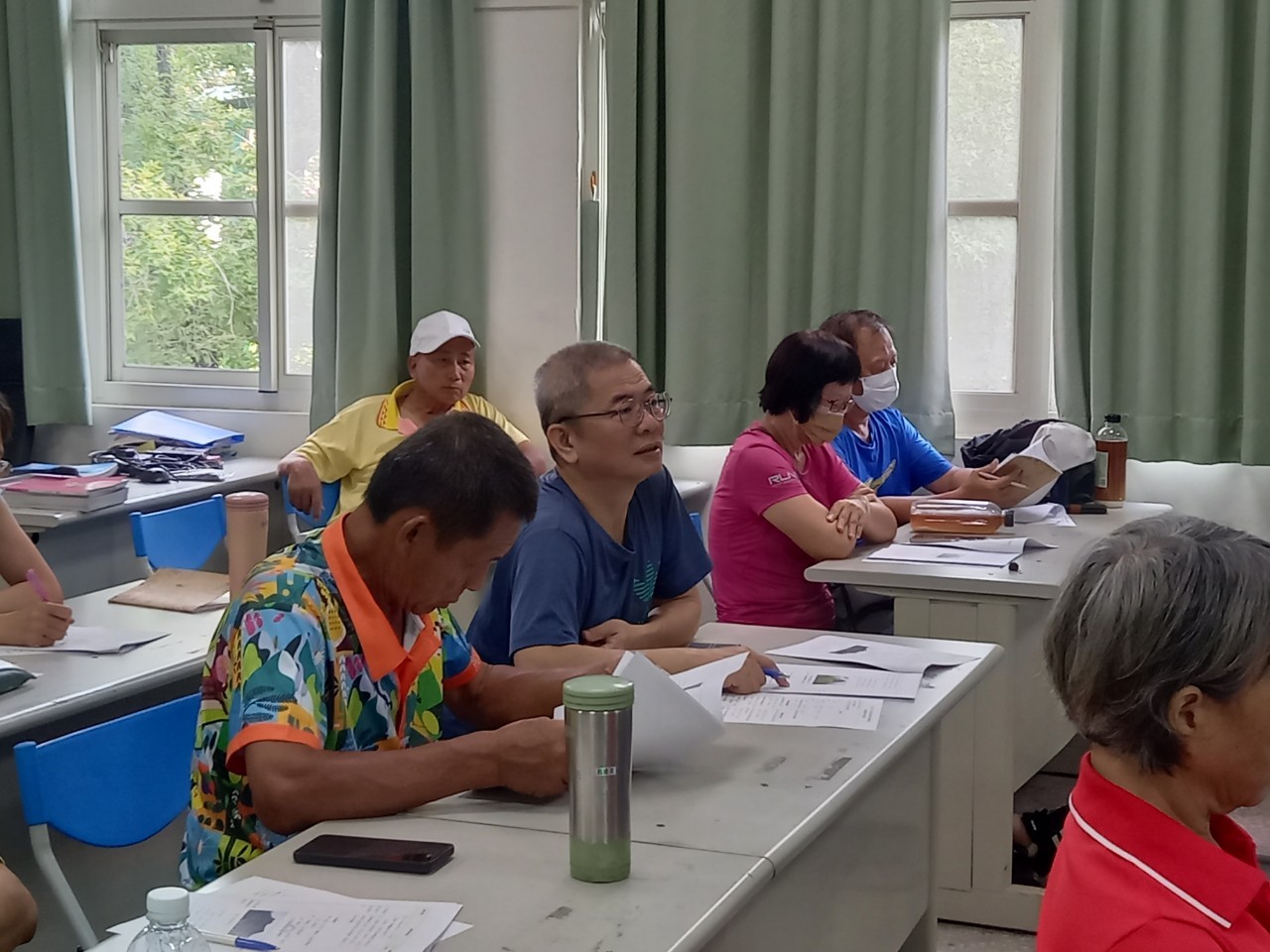
蕭老師並請學員就自己熟悉的在地特色,對教案上的內容提出增減建議分。老師表示,於實際導覽時,解說內容可只限於教案所所提及的,解說員如有想特別強調的部分,可視現場狀況自行增加。學員也熱絡地提出在進行環境教育解說時,可增加或調整的地方,例如介紹特色生物時,可利用生態攝影機拍攝的影片轉為QR-code,使參與環境教育者能即時觀看如水鹿、穿山甲等生物的影像,加深他們對當地生態的認識,或是在介紹馬頭山自然基地穿山甲竹編地景時,可強調馬頭山作為穿山甲的重要棲地,並分享架設於馬頭山地區之紅外線攝影機所拍攝到之穿山甲母子活動的經歷,藉以提升遊客對生態保育的關注。
Ms. Hsiao encouraged participants to provide feedback on the teaching plan based on their familiarity with local features. She emphasized that while the guide serves as a foundation, guides are welcome to expand on specific topics depending on the situation and audience interest. Participants actively contributed ideas to improve the guide’s content, suggesting innovative ways to enrich environmental education:
- Using QR Codes: For example, sharing videos captured by ecological cameras to show rare species like Formosan sambar deer and pangolins, allowing visitors to experience the local wildlife virtually.
- Highlighting Iconic Landmarks: For instance, emphasizing the importance of Ma-Tou Mountain as a critical habitat for pangolins when discussing the thorn bamboo sculptures at the Ma-Tou Mountain Natural Base. Participants also proposed sharing infrared camera footage of a pangolin mother and her young, fostering greater awareness of conservation efforts.
The workshop underscored the need for flexibility and creativity in ecological education. By combining well-researched content with dynamic presentation techniques, participants can craft tours that not only inform but also inspire visitors to appreciate and protect Ma-Tou Mountain’s unique ecological and cultural heritage.
Through this collaborative effort, the community continues to move closer to developing impactful and memorable ecological tours that highlight the region’s rich biodiversity and deep cultural roots.
在此次研習中,參與夥伴不僅學到如何設計有趣、具教育意義的遊程,並深刻體會到互動、五感體驗於自然導覽的重要性。期望未來,夥伴可將本次所學,應用於後續的馬頭山的生態遊程設計,讓更多遊客能夠透過五感體驗重新與自然連結,共同守護這片美麗的馬頭山。
During this workshop, participants not only learned how to design fun and educational tours but also gained a deep understanding of the importance of interaction and sensory experiences in nature guiding. It is hoped that in the future, participants can apply what they learned to the design of ecological tours in Ma Tou Shan, allowing more visitors to reconnect with nature through sensory experiences and collectively protect this beautiful area.
淺山地區環境保育夥伴關係與社區培力計畫旨在促進在地與社群成員自願性的參與及投入生態保育為目標,共同對外推廣馬頭山地區與的環境永續發展模式。歡迎對馬頭山地區之人文及生態保育有興趣的民眾,進一步參與及關注,請追蹤計畫臉書粉絲專頁:於臉書搜尋「馬頭山返野」並按「讚」,就可即時獲得計畫最新活動資訊。
The Shallow Mountain Area Environmental Conservation Partnership and Community Empowerment Project aims to stimulate voluntary participation in ecological conservation of both local and community members, which promotes the developing environmental sustainability of the Ma-tou Mountain area. Friends who are interested in the culture and conservation of the Ma-tou Mountain area are welcome to participate in our project. To keep up with our latest news, please follow the Facebook fan page of the project by entering “馬頭山返野" on Facebook and “Like" the page.
113年 遊程設計與導覽社群第4次研習

時間:8/11(日) 14:00-16:00
地點:觀亭國小
講師:張正杰老師
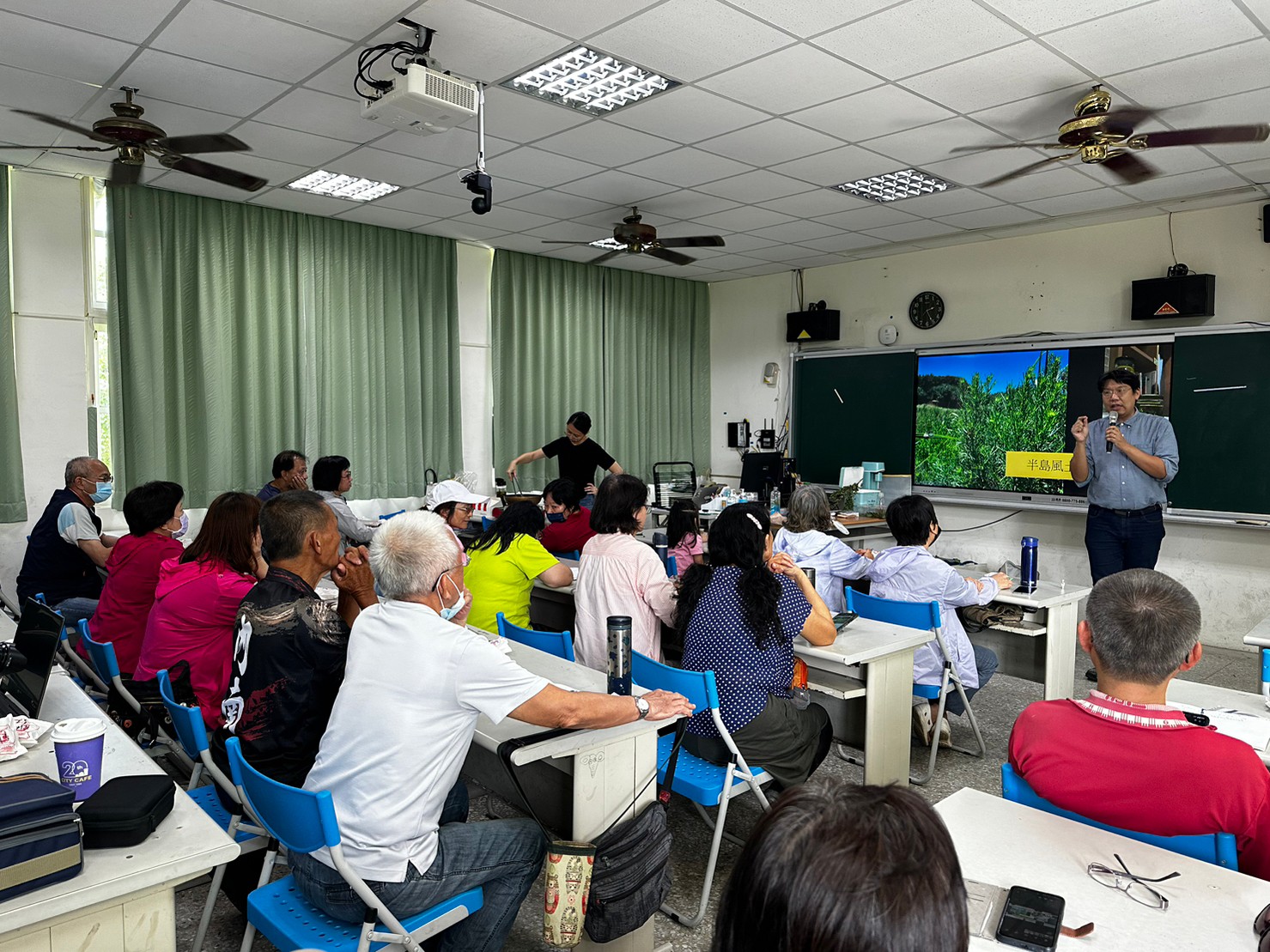
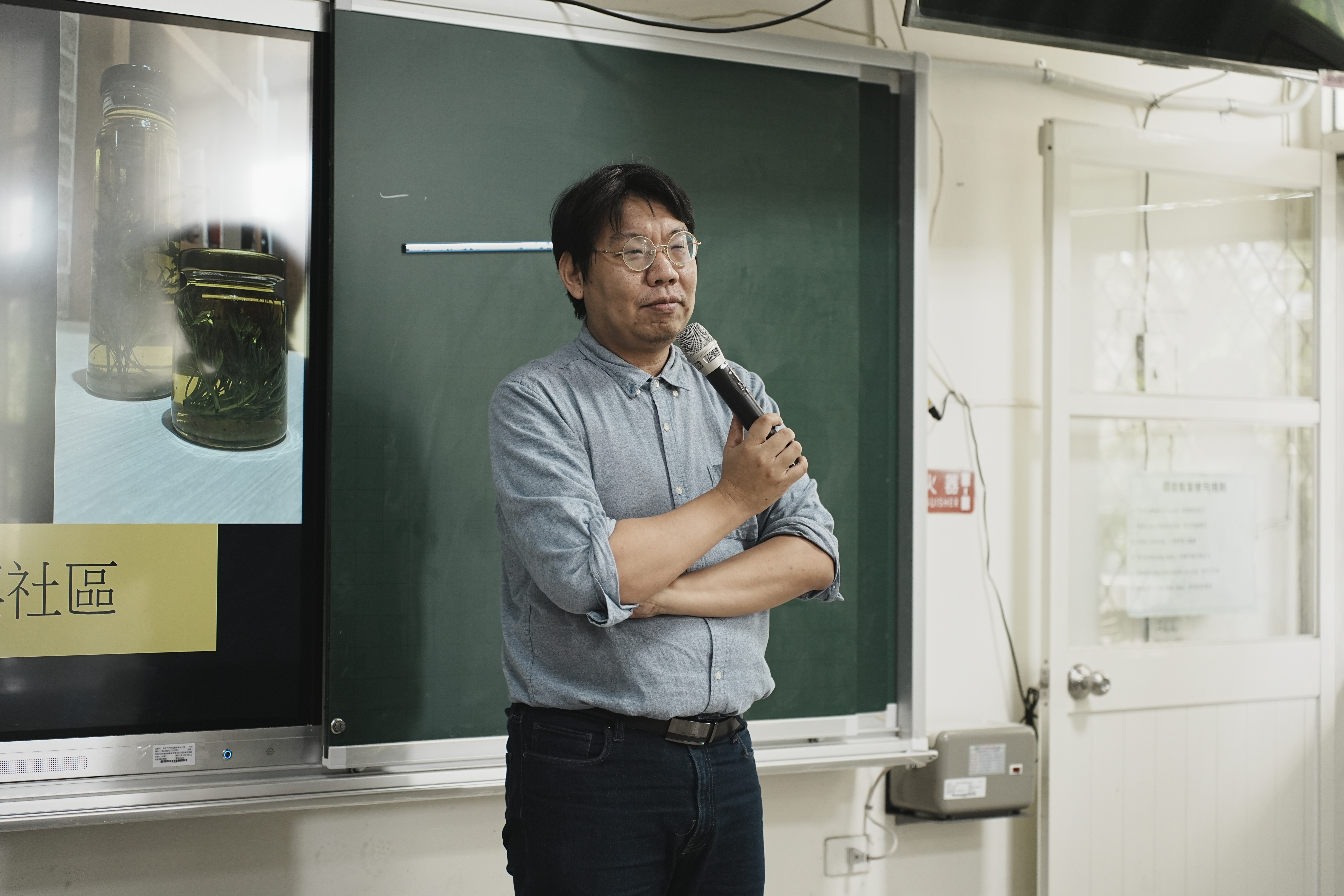
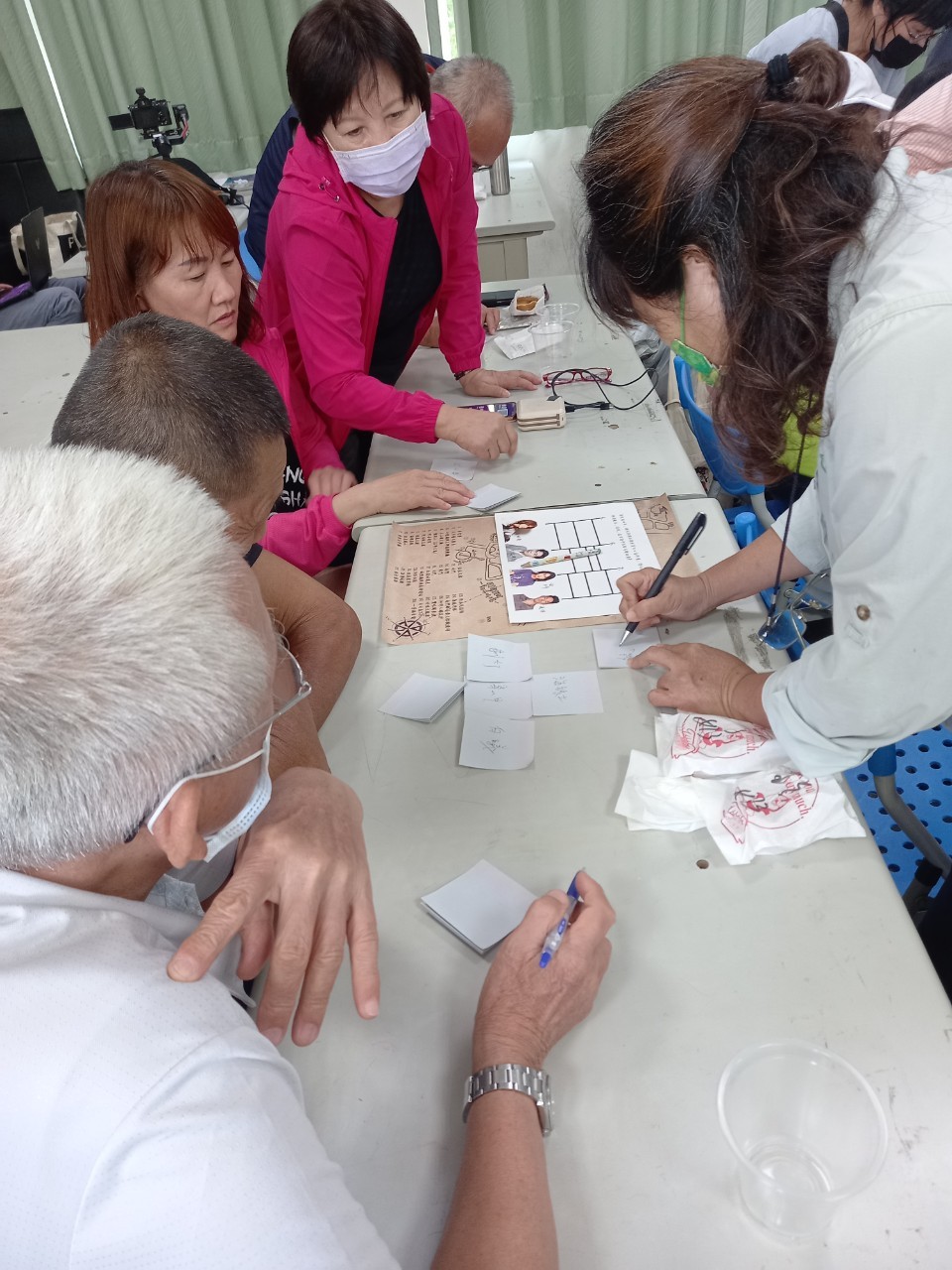
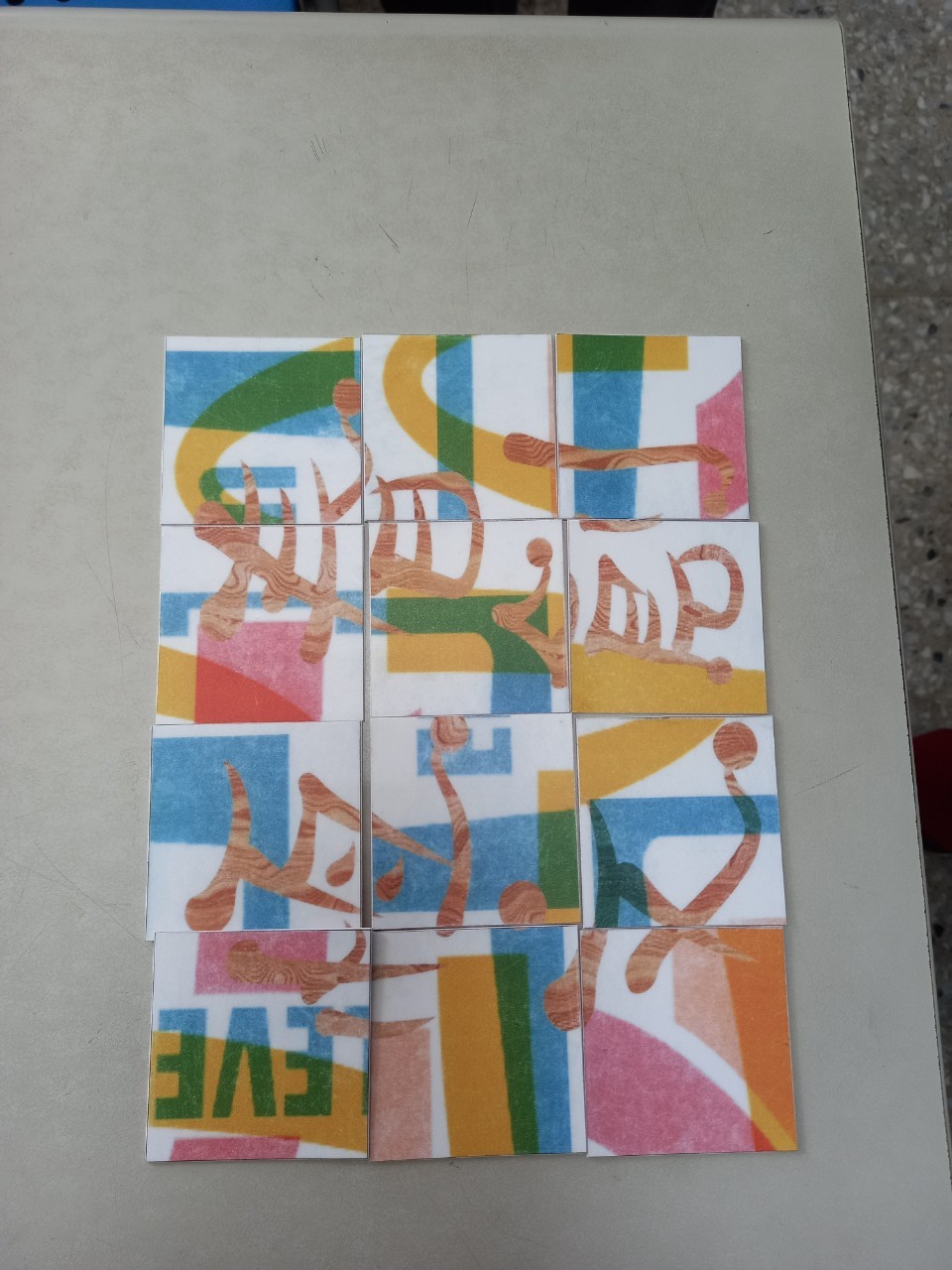
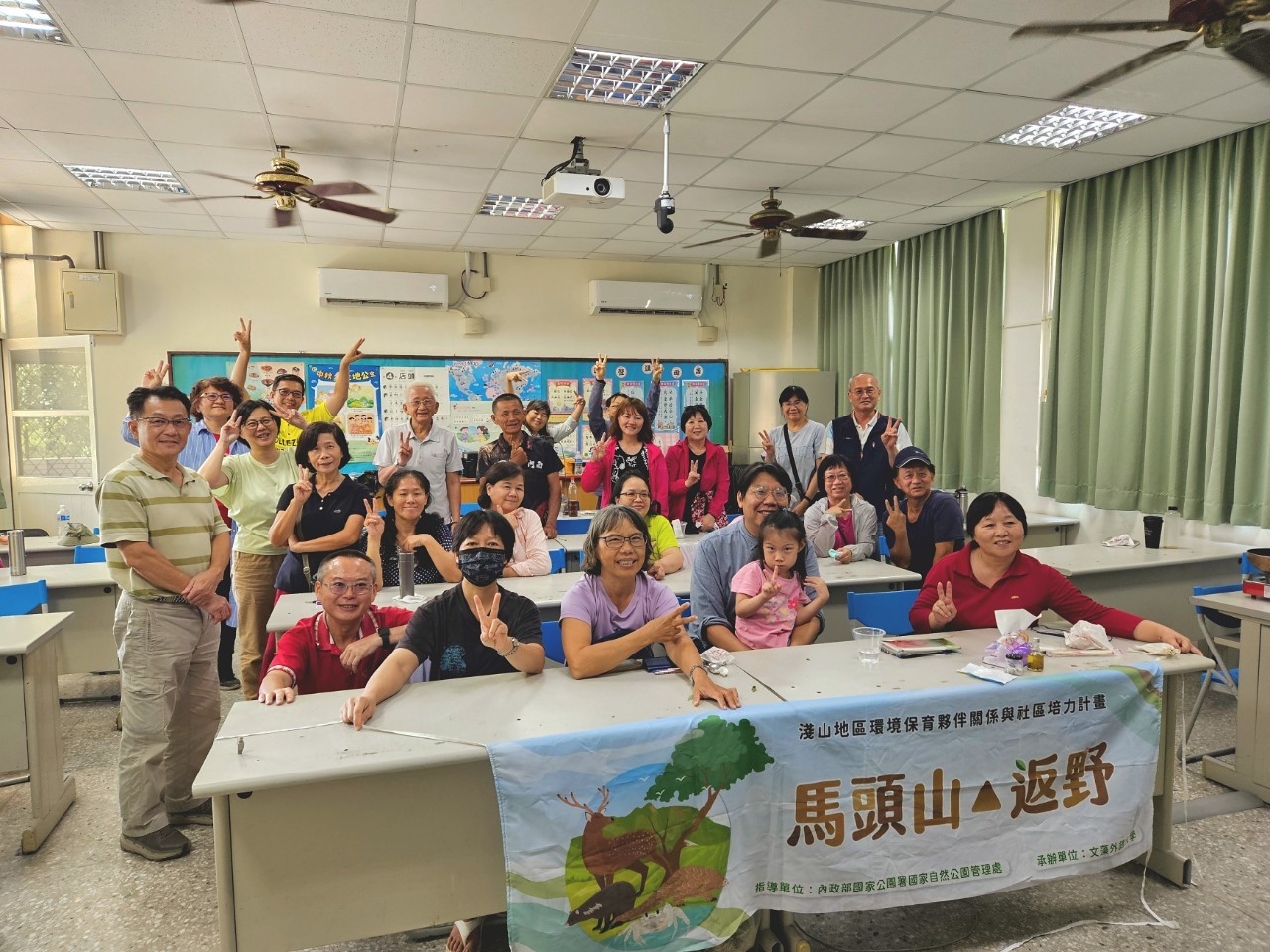
馬頭山遊程設計與導覽社群的第四次研習邀請到恆春在地創生負責人張正杰老師擔任講師,帶領參與夥伴學習如何設計有趣的遊程互動遊戲,讓參與者透過遊戲的過程,吸收遊程解說重點。
On August 11, the Tour Design and Guiding Community held its 4th workshop, featuring Hengchun local revitalization expert, Mr. Zhang Zhengjie, as the guest speaker. He guided participants in learning how to design engaging tour interaction games that allow participants to absorb key points of the tour through fun and interactive activities.
活動一開始,張老師介紹「羞禮花」。羞禮花的名稱源自於其特性—“羞”代表害羞,花朵在受到觸碰時會閉合;“禮”則象徵禮貌,仿佛在向遊客致敬。張老師強調,作為解說員,運用通俗易懂的詞彙介紹在地特殊名稱,是讓遊客容易理解的重要技巧。透過將複雜的植物學理名稱轉化為簡單生動的描述,解說員能更清楚地傳達植物的特性,讓遊客能快速理解解說員的講解內容。
The workshop began with the speaker introducing the plant “Xiuli Flower." Its name comes from its unique traits—"Xiuli" means shy, as the flower closes when touched, and “Li" symbolizes politeness, as if the flower is greeting visitors. Mr. Zhang emphasized that using simple and relatable language to introduce local names is a crucial technique for tour guides. By transforming complex botanical terms into vivid, easy-to-understand descriptions, guides can better convey the plant’s characteristics, allowing visitors to quickly grasp the essence of the explanation.
接下來,張老師指出,單純的口頭解說往往讓遊客聽過即忘,因此,解說員需要構思如何滿足遊客的五感體驗,讓他們在視覺、聽覺、嗅覺、觸覺和味覺上皆有所感受,因而留下深刻印象。
Next, Mr. Zhang noted that simple verbal explanations often lead to quick forgetfulness among tourists. Therefore, guides need to think creatively about how to engage visitors’ five senses—sight, hearing, smell, touch, and taste—to create memorable experiences. By incorporating sensory elements, guides can leave a lasting impression on participants.
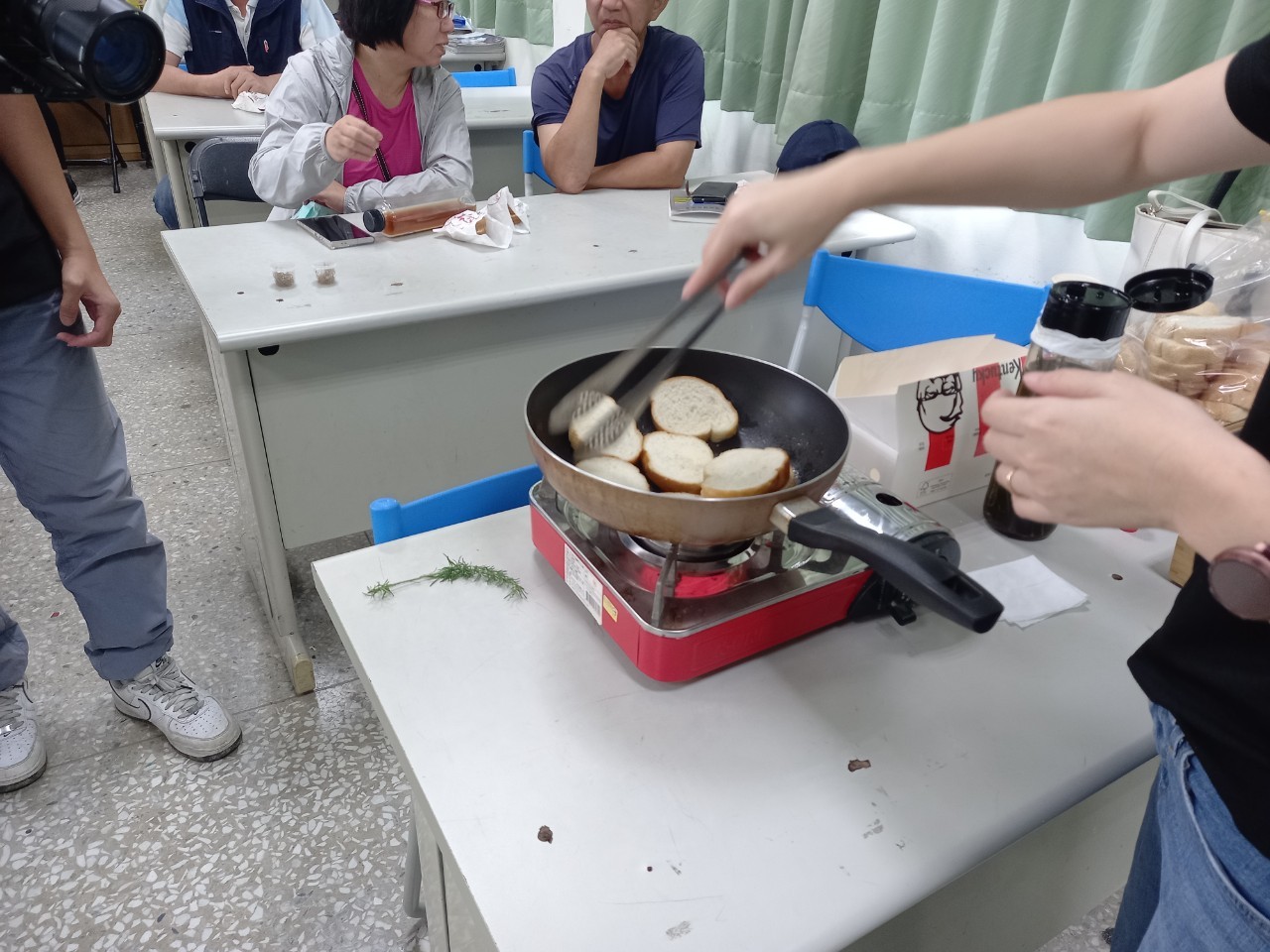
在這次活動中,張老師示範如何透過互動體驗增強遊客對植物的理解。例如,在介紹「過山香」時,老師讓參與夥伴嗅聞並觸摸過山香的葉子,並且比較原葉子及揉碎後的葉子的氣味差異。這樣的親身體驗,不僅增強夥伴對過山香特性的認識,透過嗅覺與觸摸的感受,也加深夥伴們的印象。
During the event, Mr. Zhang demonstrated how to enhance tourists’ understanding of plants through interactive experiences. For example, when introducing “Kousa Dogwood," he allowed participants to smell and touch the leaves while comparing the scent of the whole leaves to that of crushed leaves. This hands-on experience not only deepened their understanding of the plant’s characteristics but also left a lasting impression through the sensory engagement of smell and touch.
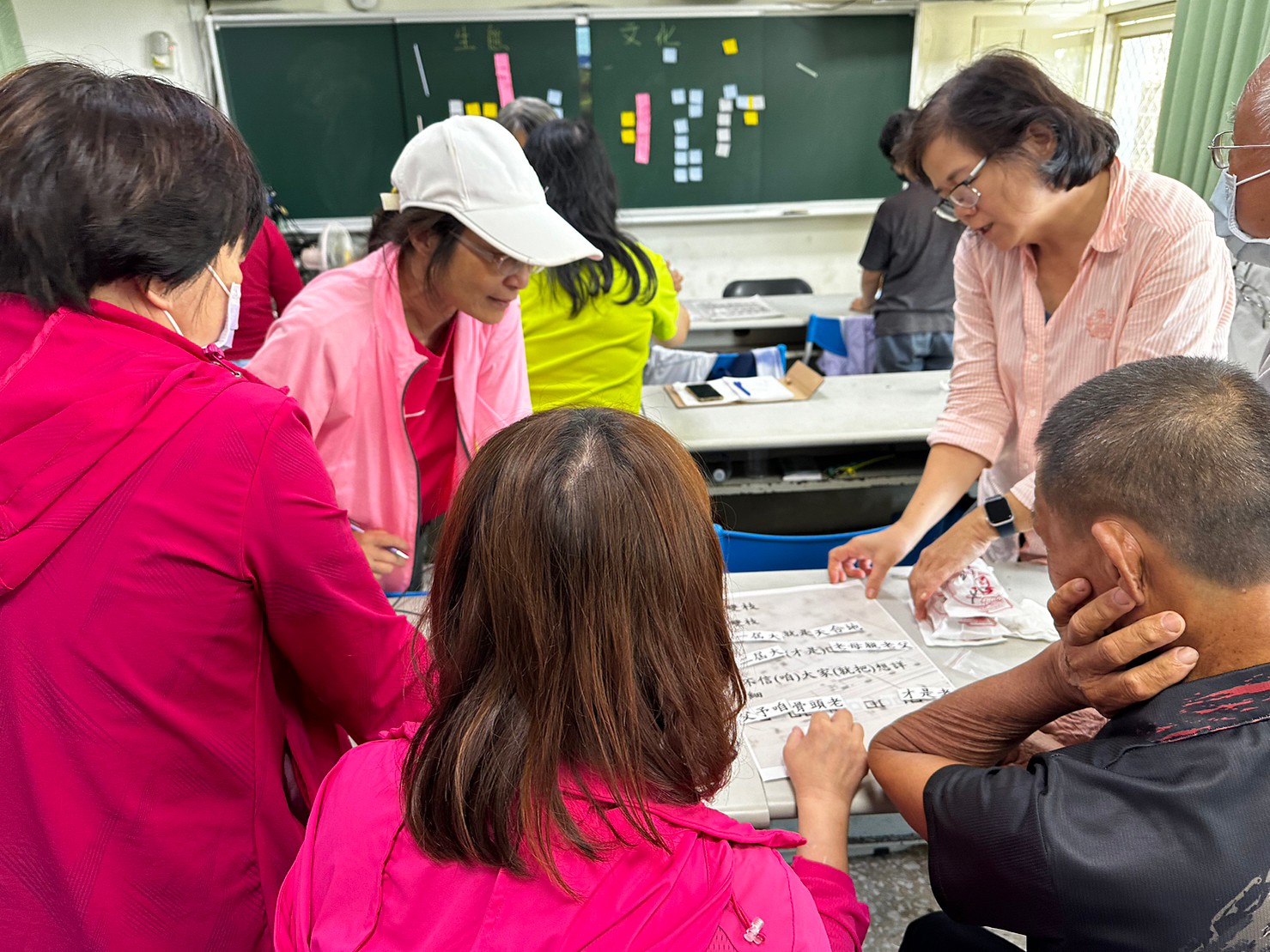
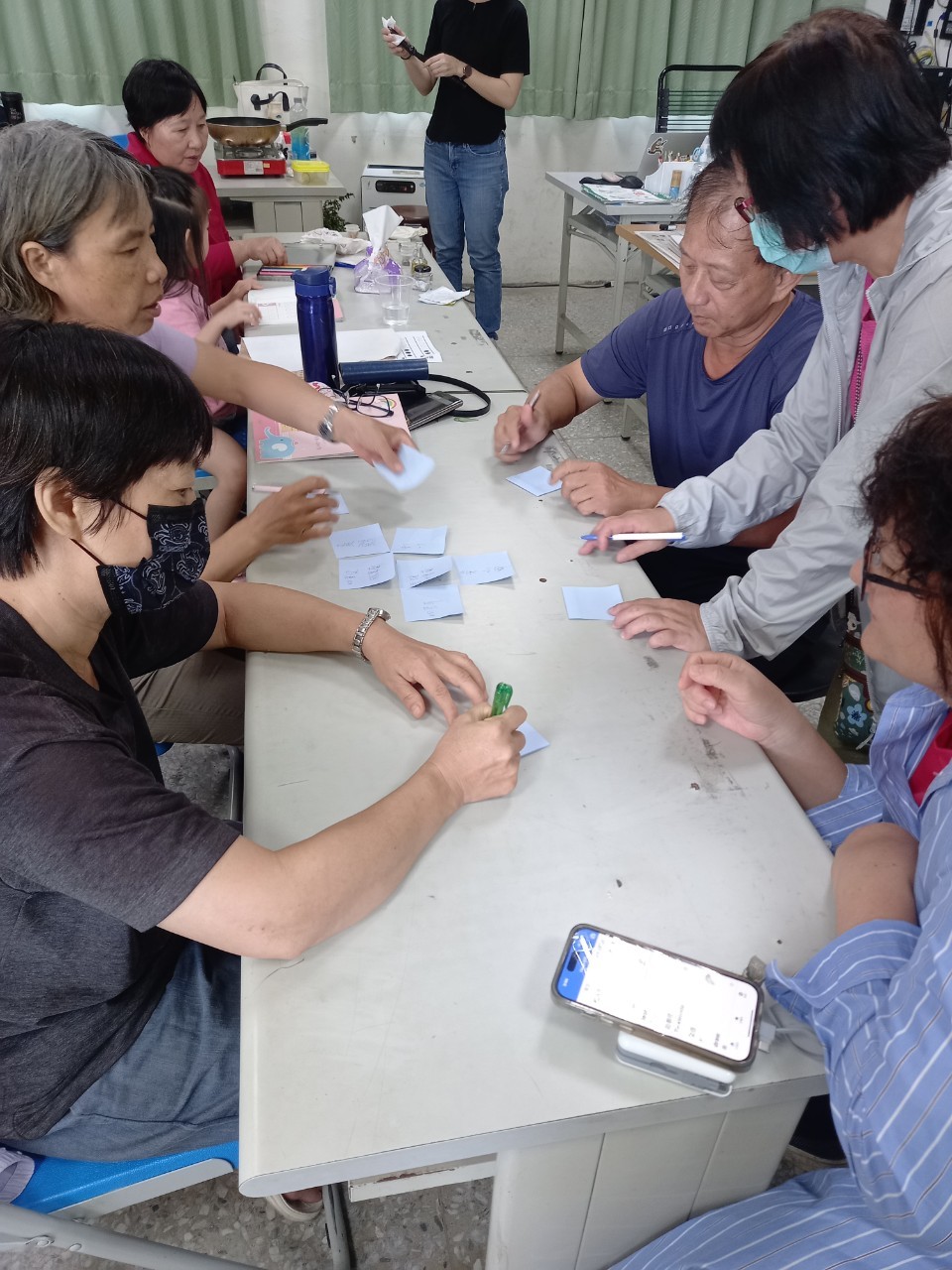
張老師提到,相比動物,不會言語、沒有動作的植物導覽通常容易讓人感到無聊,因此,解說員可透過生動的解說內容並搭配互動遊戲,讓遊客能樂於參與及學習。例如,可安排工作坊並規劃討論時間,將參與者分成小組,使用便利貼發想,讓參與者一起腦力激盪,收集廣益馬頭山的生態與人文特色的知識。
Mr. Zhang noted that plant tours, which involve silent and motionless plants, can often feel boring compared to animal encounters. To make the experience more engaging, guides can incorporate lively explanations along with interactive games that encourage participation and learning. For example, he suggested organizing workshops that include discussion time, where participants can be divided into small groups to brainstorm using sticky notes, allowing them to collaboratively gather knowledge about the ecological and cultural features of Ma Tou Shan.
活動最後,張老師總結互動活動與遊程設計的重要性。他指出,通過創意和五感體驗,解說員能夠有效地提升遊客對自然和文化的理解與熱愛。這種設計不僅使遊客獲得知識,並且可讓他們在情感上與自然產生深厚的聯結。張老師的總結也回應上一場研習活動的講師-楊國禎老師所提,居住在都市的居民已經失去與大自然間的聯繫,而這樣的疏離感也讓我們忽視自己對環境的責任,所以生態導覽核心在於透過生動及有趣的遊程解說與互動遊戲,讓都市居民拾回自己與自然的連結,提升對生態環境的關懷。
In summary, Mr. Zhang highlighted that interactive activities and creative tour design enhance visitors’ understanding and appreciation of nature and culture. This approach fosters a strong emotional connection, addressing the loss of connection urban residents feel toward nature. By combining engaging explanations with interactive games, ecological tours help people reconnect with nature and raise environmental awareness.
在此次研習中,參與夥伴不僅學到如何設計有趣、具教育意義的遊程,並深刻體會到互動、五感體驗於自然導覽的重要性。期望未來,夥伴可將本次所學,應用於後續的馬頭山的生態遊程設計,讓更多遊客能夠透過五感體驗重新與自然連結,共同守護這片美麗的馬頭山。
During this workshop, participants not only learned how to design fun and educational tours but also gained a deep understanding of the importance of interaction and sensory experiences in nature guiding. It is hoped that in the future, participants can apply what they learned to the design of ecological tours in Ma Tou Shan, allowing more visitors to reconnect with nature through sensory experiences and collectively protect this beautiful area.
淺山地區環境保育夥伴關係與社區培力計畫旨在促進在地與社群成員自願性的參與及投入生態保育為目標,共同對外推廣馬頭山地區與的環境永續發展模式。歡迎對馬頭山地區之人文及生態保育有興趣的民眾,進一步參與及關注,請追蹤計畫臉書粉絲專頁:於臉書搜尋「馬頭山返野」並按「讚」,就可即時獲得計畫最新活動資訊。
The Shallow Mountain Area Environmental Conservation Partnership and Community Empowerment Project aims to stimulate voluntary participation in ecological conservation of both local and community members, which promotes the developing environmental sustainability of the Ma-tou Mountain area. Friends who are interested in the culture and conservation of the Ma-tou Mountain area are welcome to participate in our project. To keep up with our latest news, please follow the Facebook fan page of the project by entering “馬頭山返野" on Facebook and “Like" the page.
113年 遊程設計與導覽社群第3次研習
時間:8/10(六) 14:00-16:00
地點:觀亭國小
講師:蕭秀芸老師
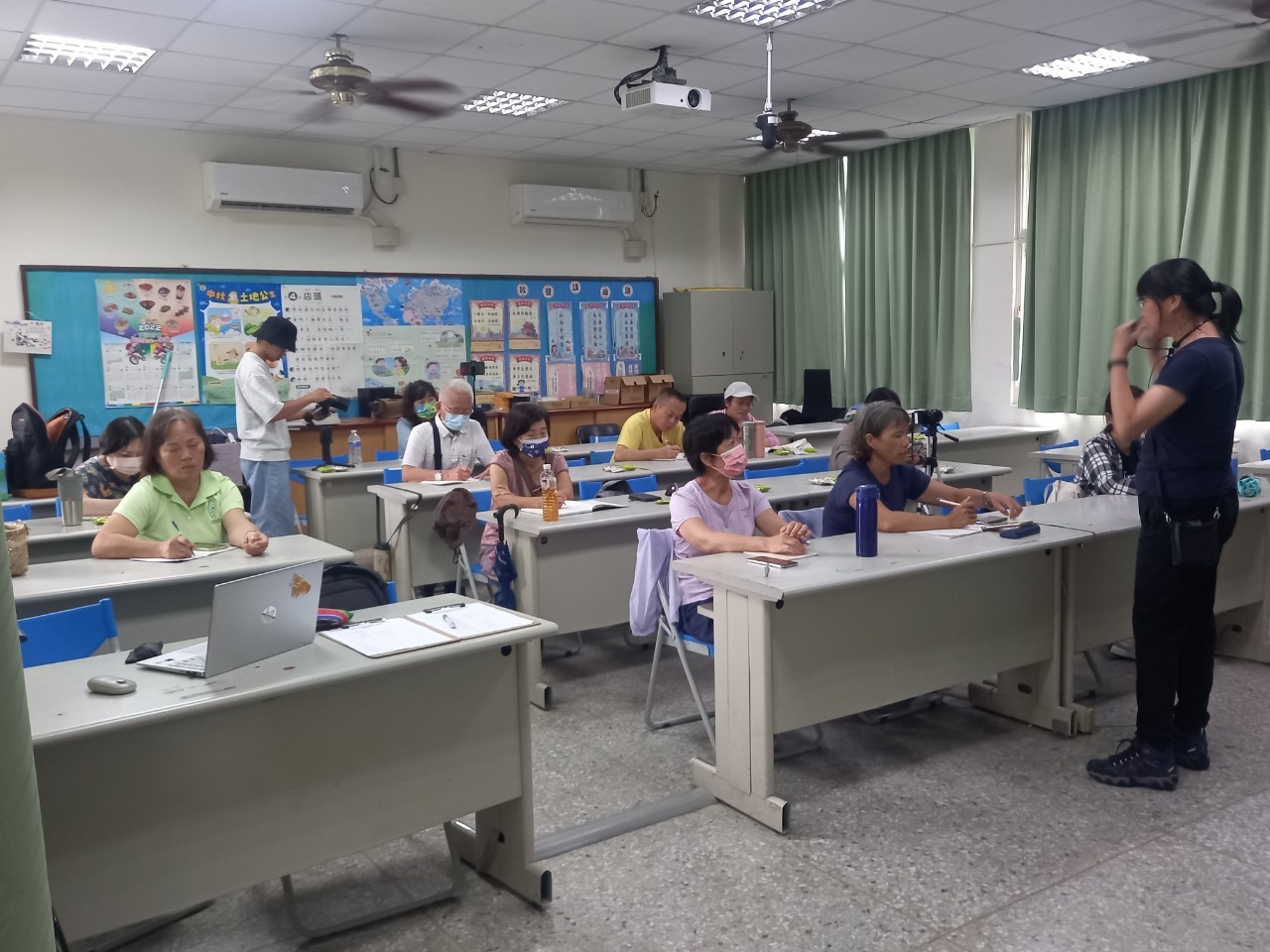
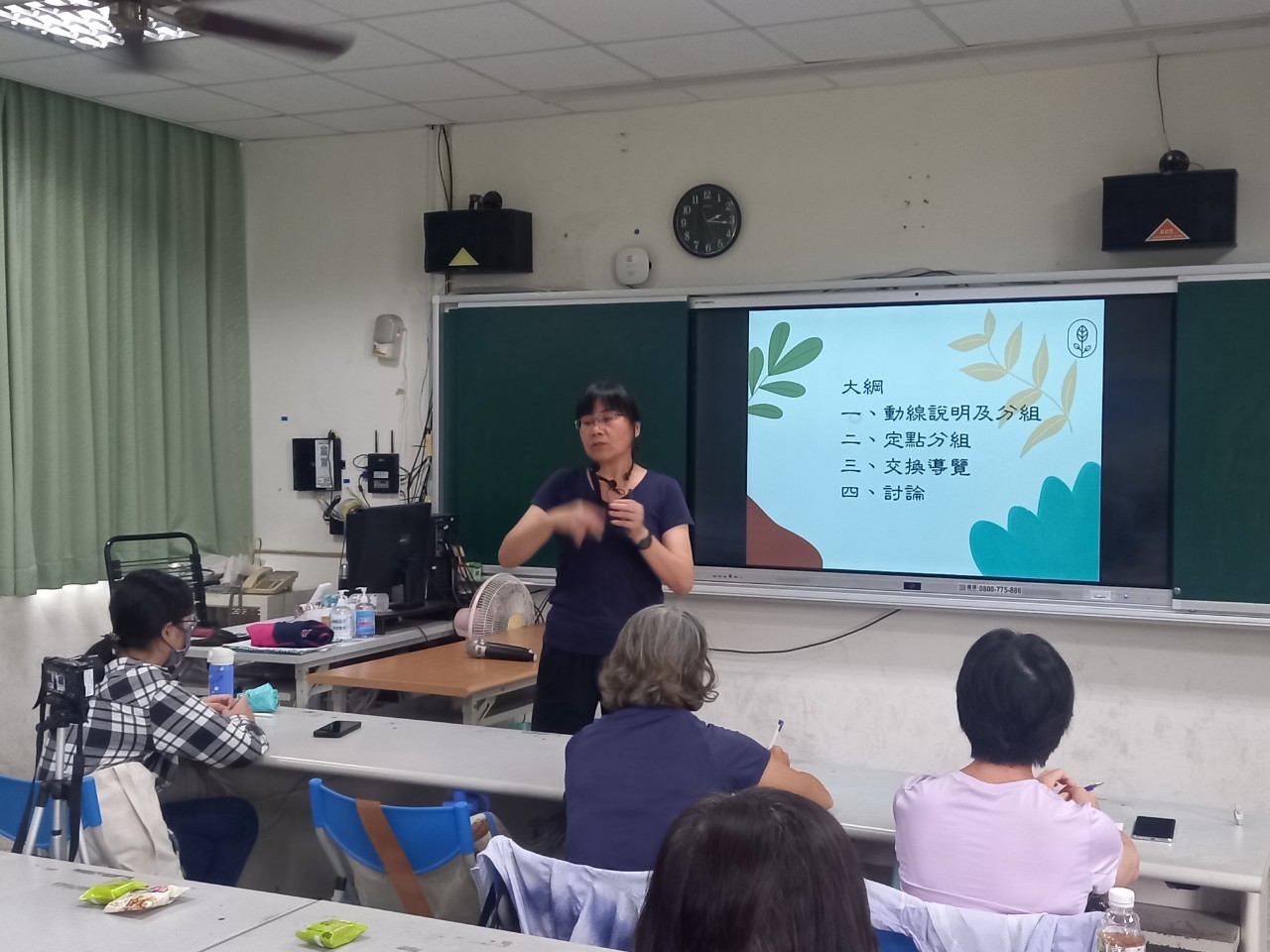
今天是馬頭山遊程設計與導覽社群第三次研習活動,主題為自然生態導覽路線踏查。原本規劃進行戶外教學,讓夥伴們現場模擬導覽,但因天氣不穩定,活動改至室內進行。儘管如此,這場活動依然充滿學習與互動的熱情。
Today marks the third workshop of the Ma-tou Mountain Tour and Guide Design Community, focused on natural ecology tour route exploration. Originally planned as a field trip session where participants would work on simulate on-site commentary, the event was moved indoors due to the unstable weather conditions. Despite the inconvenience, the workshop remained a lively and interactive learning experience.
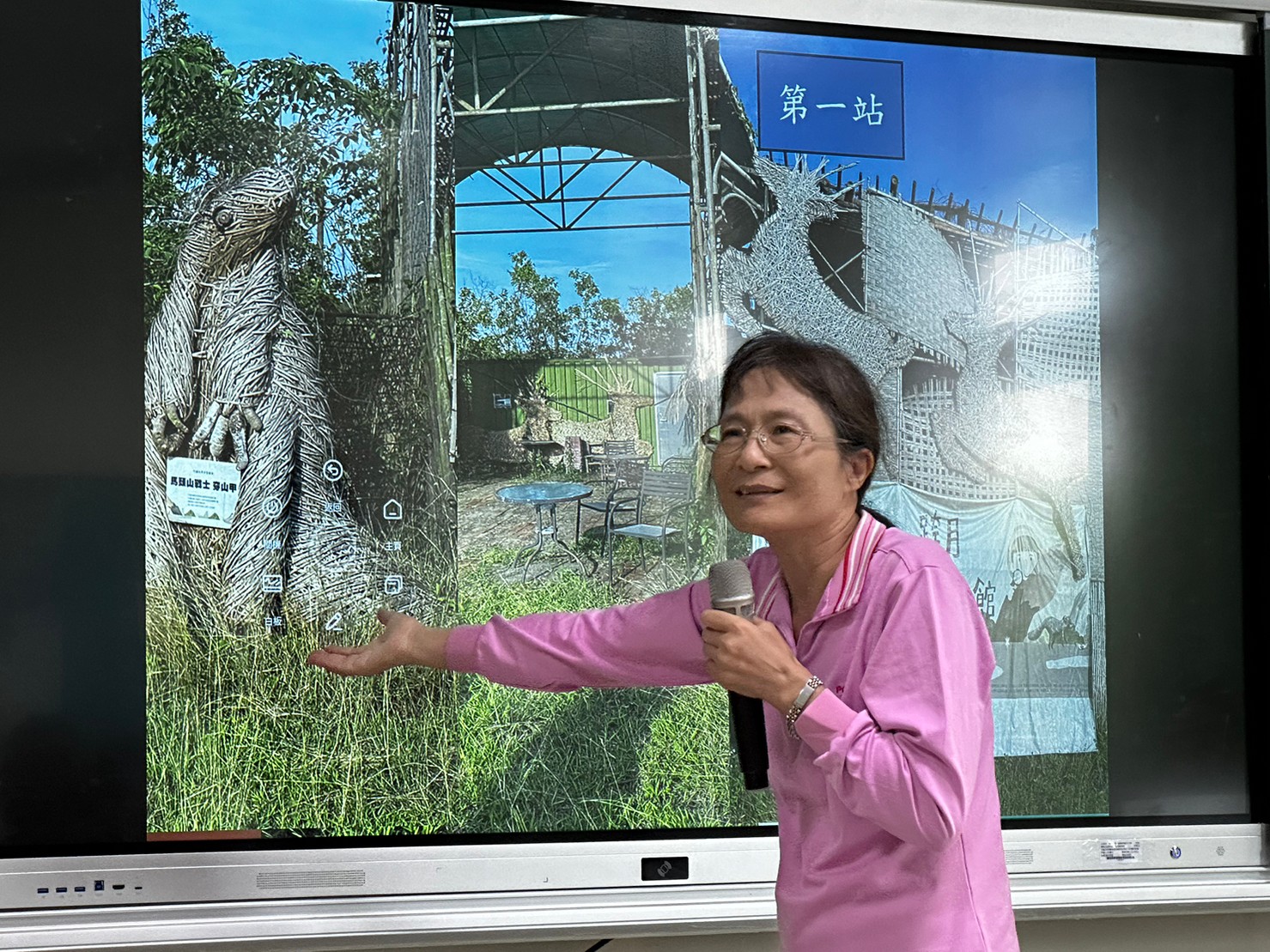
環境教育講師蕭秀芸老師,依據過往實地踏查經驗及向在地夥伴收集的資料,設計了馬頭山的生態與人文遊程。她列出8個馬頭山具代表性的生態與文化亮點,包括:(1)馬頭山自然基地、(2)馬頭山生態廊道、(3)銀錠山的故事、(4)鳥仔伯尚閒公司(埤塘與棲地)、(5)內南社區活動中心、(6)在地古厝特色及早期生活文化、(7)馬頭山生態果園、(8)說菜人(在地特色料理介紹)。蕭老師特別將「說菜人」設為導覽的最後一站,讓遊客不僅享用美食,還能通過五感體驗當地菜色的文化淵源,感受馬頭山的獨特魅力。
Environmental education lecturer, Ms. Hsiao Hsiu-Yun, drew from her extensive fieldwork experience and local insights to design an ecology and cultural tour for Ma-tou Mountain. She highlighted eight key ecological and cultural features of Ma-tou Mountain, including: (1) Ma-tou Mountain Natural Base, (2) Ma-tou Mountain Ecological Corridor, (3) The Story of Silver Brick Mountain, (4) The Bird Uncle’s Company (ponds and habitats), (5) Neinan Community Activity Center, (6) The Local Historic Houses and Early Life Culture, (7) Ma-tou Mountain Ecological Orchard, and (8) The Cuisine Narrator (Local Specialty Cuisine Introduction). Ms. Hsiao specifically placed “The Cuisine Narrator" as the final stop of the tour, allowing visitors to not only enjoy the food but also experience the cultural origins of the local dishes through their senses, capturing the unique charms of Ma-tou Mountain.
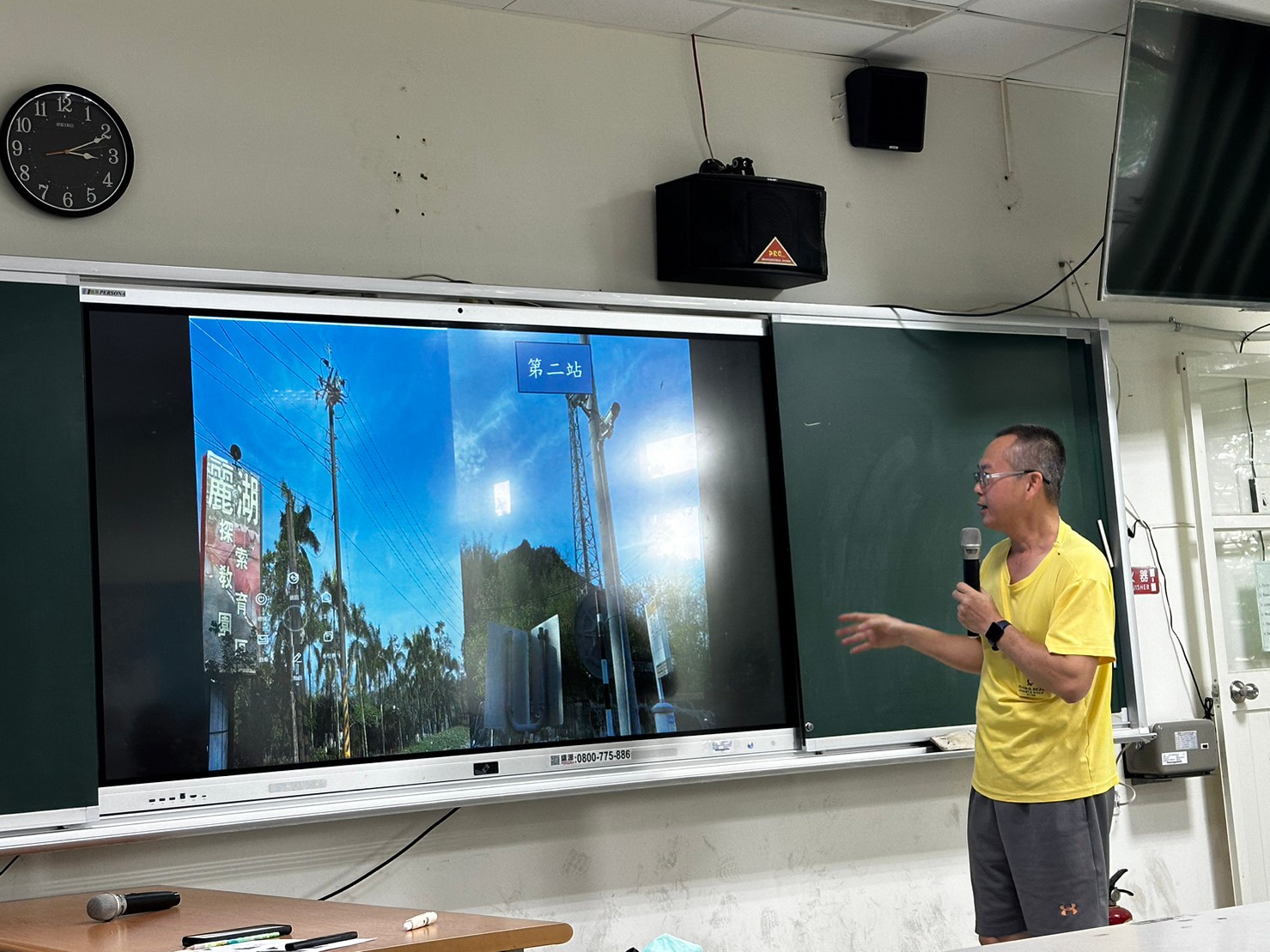
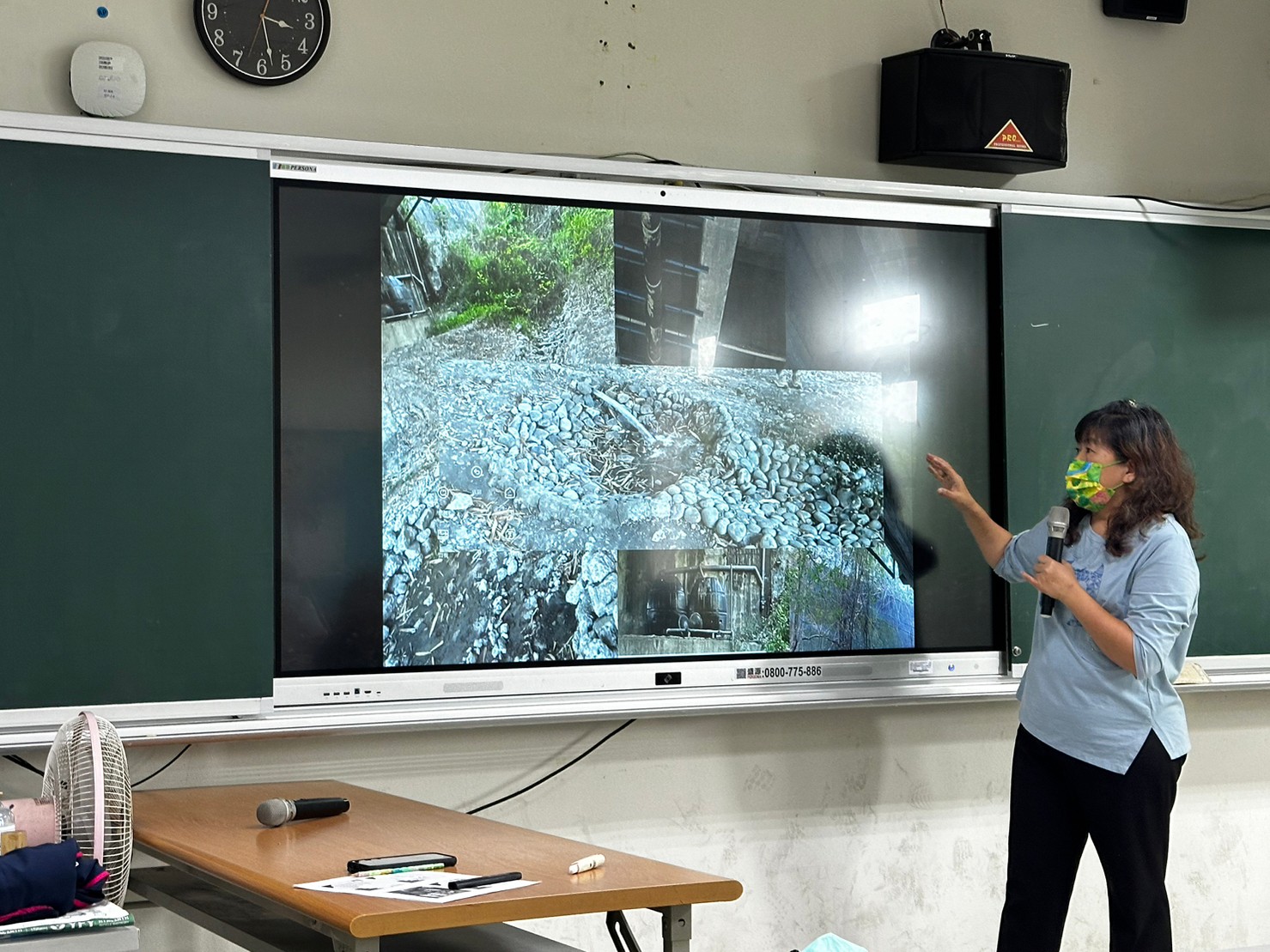
今天的與會者都是於馬頭山長大的居民,對這片土地懷有深厚的感情。蕭老師邀請已有導覽經驗的夥伴上台,模擬解說他們熟悉的站點,並分享當地的生態知識與人文故事。在模擬過程中,台下的夥伴們給予反饋,蕭老師和國立高雄師範大學蔡執仲老師(淺山地區生態保育夥伴關係與社區培力計畫的協同主持人)也根據解說內容與表達方式,提供寶貴的建議,幫助大家進一步精進導覽技巧。
The attendees today are all long-time residents of Ma-tou Mountain, deeply connected to the land. Ms. Hsiao invited experienced guides among the participants to the stage to demonstrate how to introduce some of their familiar stops and share local ecological knowledge and cultural stories. During the demonstration, the audience provided feedback, and Ms. Hsiao, along with Professor Tsai Chih-Chung from National Kaohsiung Normal University (co-host of The Shallow Mountain Area Environmental Conservation Partnership and Community Empowerment Project), offered valuable suggestions based on the contents and delivery of the introductions, helping everyone to refine their tour guiding skills further.
透過這次的模擬實作和互動交流,讓對生態導覽有興趣但尚未有實作經驗的夥伴能觀摩學習,而上台的夥伴也在實戰中提高解說技巧。上台的幾位夥伴分享許多精彩的在地故事:首位上台的許美玲小姐,被稱為「馬頭山藝術總監」,她分享了當初如何運用隨處可得的刺竹,與夥伴們在馬頭山自然基地打造穿山甲與梅花鹿地景的創作過程;內門觀亭國小前校長、內門社區發展協會理事長龔文雄則講述社區里長家中安裝第一支電話的趣聞;其他夥伴也分享關於馬頭山的各式奇聞逸事,讓大家沉浸在馬頭山豐富的生態與人文典故中。
Through the demonstration and interactive exchanges, participants interested in ecological tour guiding but with little experience could learn by observing those experienced, while the ones presenting on stage improved their commentating techniques. The presenters shared many fascinating local stories: Ms. Hsu Mei-ling, known as the “Art Director of Ma-tou Mountain," discussed how she used readily available thorny bamboo to create landscape art like the pangolin and sika deer statues at the Ma-tou Mountain Natural Base; former principal of the Neimen Guanting Elementary School and Chairman of Neimen Community Development Association, Mr. Gong Wen-hsiung, recounted the amusing story of the first telephone installed in the neighborhood representative’s house; other participants also shared various interesting anecdotes about Ma-tou Mountain, immersing everyone in the rich ecological and cultural lore of the area.
今天的研習活動結束後,夥伴們都表示收穫頗豐,對生態遊程導覽有了更深入的理解,並期待未來能到實地進行實作,將今天學到的知識與技巧應用於導覽中。
After today’s workshop, participants expressed gaining significant insights and a deeper understanding of ecological tour guiding, and looking forward to applying the knowledge and skills in their next on-site tour commentary.
淺山地區環境保育夥伴關係與社區培力計畫旨在促進在地與社群成員自願性的參與及投入生態保育為目標,共同對外推廣馬頭山地區與的環境永續發展模式。歡迎對馬頭山地區之人文及生態保育有興趣的民眾,進一步參與及關注,請追蹤計畫臉書粉絲專頁:於臉書搜尋「馬頭山返野」並按「讚」,就可即時獲得計畫最新活動資訊。
The Shallow Mountain Area Environmental Conservation Partnership and Community Empowerment Project aims to stimulate voluntary participation in ecological conservation of both local and community members, which promotes the developing environmental sustainability of the Ma-tou Mountain area. Friends who are interested in the culture and conservation of the Ma-tou Mountain area are welcome to participate in our project. To keep up with our latest news, please follow the Facebook fan page of the project by entering “馬頭山返野" on Facebook and “Like" the page.
113年 遊程設計與導覽社群第1次研習
時間:7/6(六) 10:00-12:00
地點:觀亭國小
講師:蕭秀芸老師
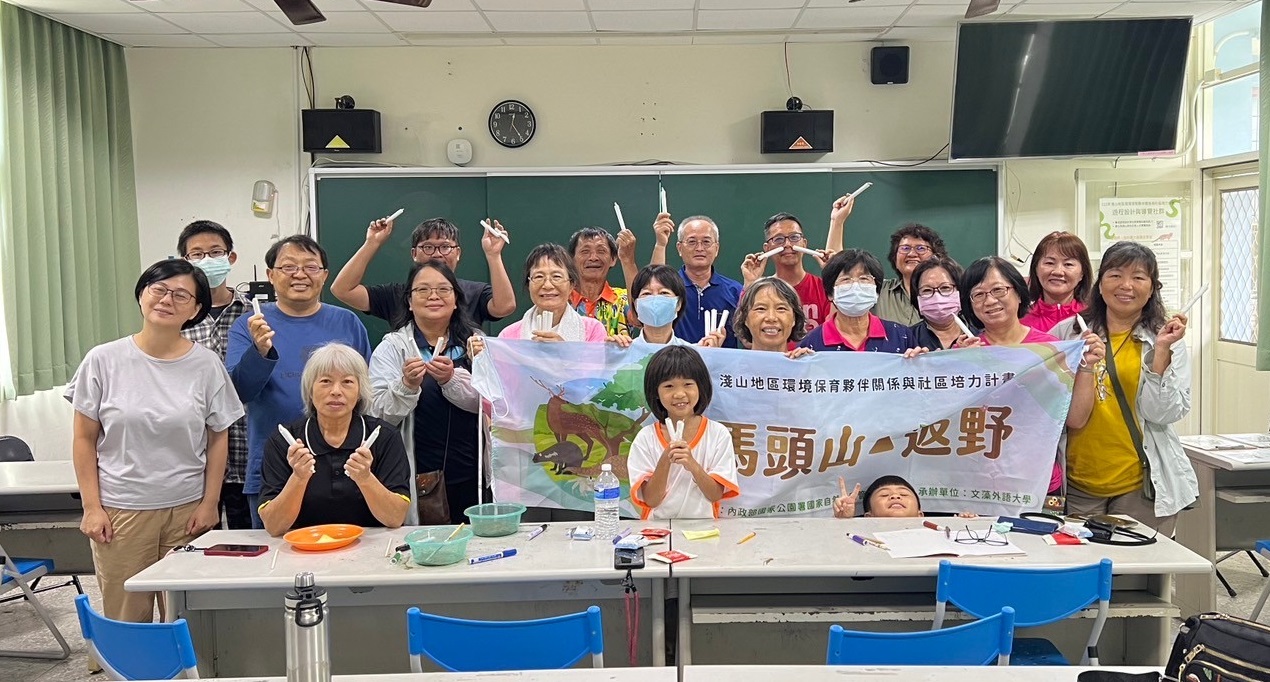
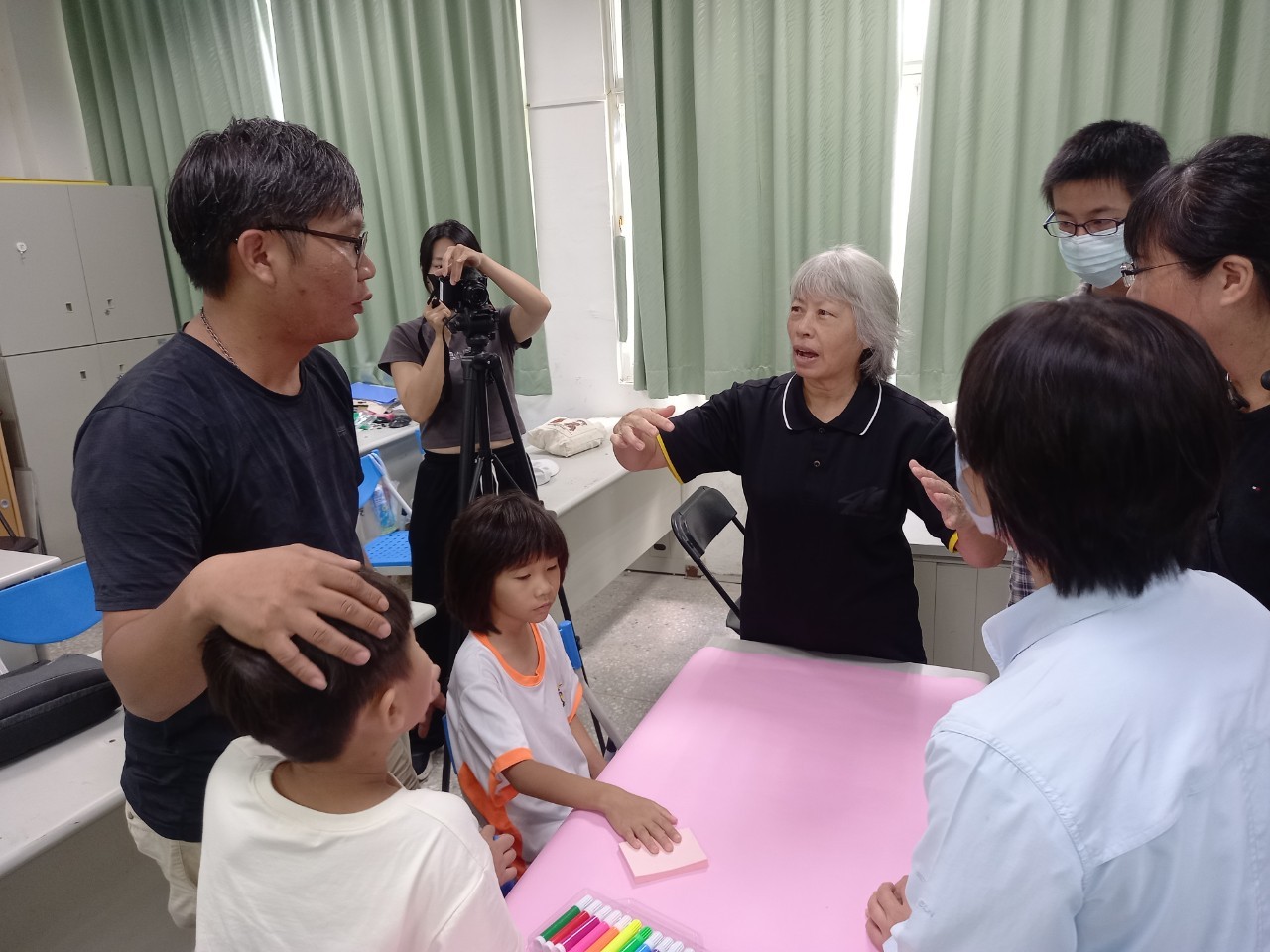
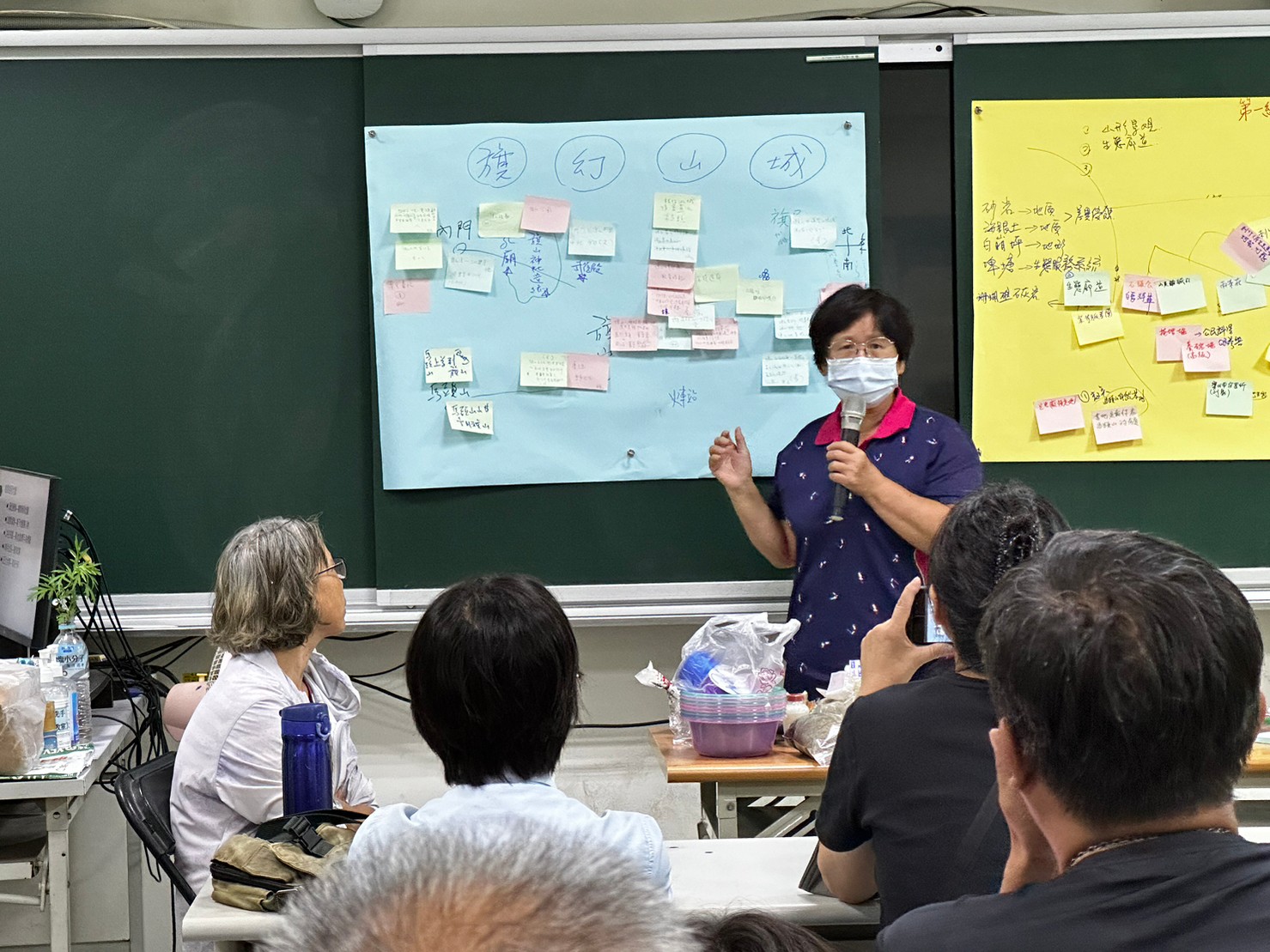
淺山地區環境保育夥伴關係與社區培力計畫(以下簡稱本計畫)「馬頭山地區在地特色共創社群」於7月6日展開第一場遊程設計與導覽社群的研習。此次研習由高雄師範大學環境教育所的蔡執仲老師主持,蔡老師也是本計畫的主持人,並邀請具有環境教育師資資格的蕭秀芸老師擔任講師,講述如何宣揚該社區的自然資源、人文景觀、產業資源、文化資源,並統整成教案,推動社區成為環境教育設施場所。
The ‘Matuoshan Area Local Features Co-Creation Community’ under the ‘Shallow Mountain Area Environmental Conservation Partnership and Community Empowerment Project’ (hereinafter referred to as ‘the Project’) held its first workshop on tour design and guiding community on July 6th. The workshop was led by Professor Tsai Chih-Chung from the Graduate Institute of Environmental Education at National Kaohsiung Normal University, who is also the project leader. Additionally, Professor Hsiao Hsiu-Yun, a certified environmental education instructor, was invited to serve as the lecturer. She discussed how to promote the community’s natural resources, cultural landscapes, industrial resources, and cultural heritage, and how to integrate these into educational plans to advance the community as an environmental education facility.
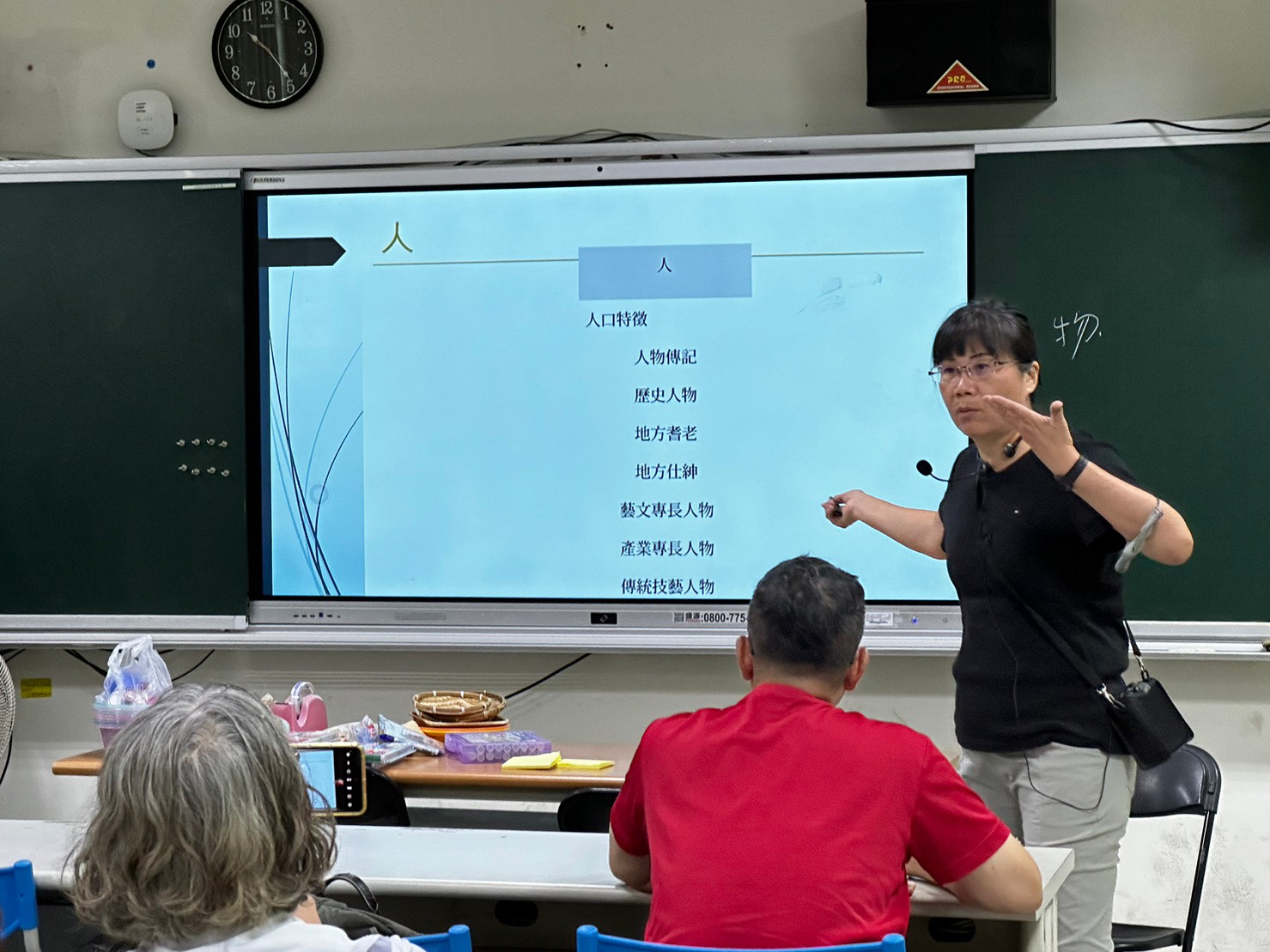
蕭老師首先提到「社區調查」的重要性,並提出調查後的撰寫內容應涵蓋五大類:地(自然空間)、景(人文空間)、產(產業資源)、文(人文)、文(文獻)。她指出,撰寫內容不需包羅萬象,只需取其精華即可展現社區的亮點。老師接著開始講解該如何運用「人物地產景」這五大類發掘自身社區的亮點--以「地」作為開頭,了解社區內的自然資源是有助於認識當地的生態環境與保育需求。這些自然資源不僅是社區的財富,更是生態教育的寶貴素材。在談「文」時,老師強調歷史建築、古蹟和廟宇等人文景觀的意義。這些景觀見證了社區的歷史變遷,是文化傳承的重要載體,有助於提升社區的文化價值。關於產業資源,老師指出,傳統工藝等產業資源是社區經濟的重要組成。了解和發掘這些資源,不僅能促進當地經濟繁榮,還能推動文化創意產業的發展,帶動社區的蓬勃發展。老師還強調了地方耆老和歷史人物的價值。他們是社區記憶的傳承者,具有豐富的歷史和文化知識。透過他們的口述歷史,社區可以更好地了解自身的過去,增強凝聚力和認同感。最後,老師提供文獻與文化資源的調查方法,特別是老照片和當地文獻的收集與整理。這些文獻資源是研究社區歷史和文化的重要依據。保護和善用這些資源,有助於保存社區的文化記憶,與推動當地觀光。
Miss Hsiao emphasized the importance of ‘community research’ and suggested that the findings should focus on five key categories: land (natural space), landscape (cultural space), industry (resources), culture (humanities), and documentation (literature). She advised that content should highlight the essence of the community rather than be exhaustive.Starting with ‘land,’ she explained that understanding local natural resources helps identify ecological needs and provides material for environmental education. On ‘culture,’ she highlighted the significance of historical buildings and landmarks as vital carriers of cultural heritage. Regarding industry, she pointed out that traditional crafts and other resources are crucial to the community’s economy and can spur cultural and creative industries.The professor also stressed the value of local elders and historical figures, whose oral histories help preserve community memory and strengthen identity. Finally, she provided methods for investigating and organizing old photographs and local literature, which are essential for understanding the community’s history and promoting tourism.
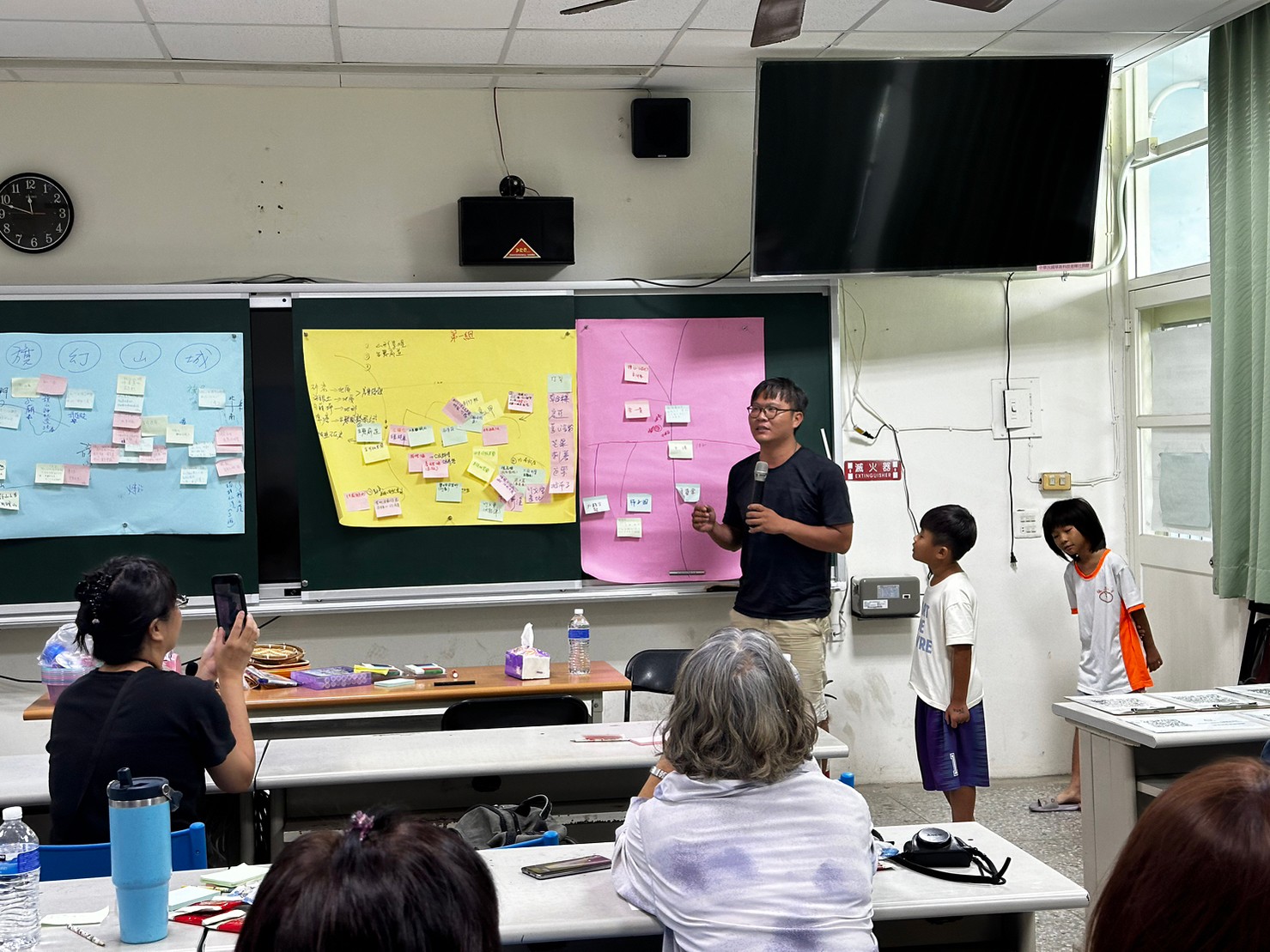
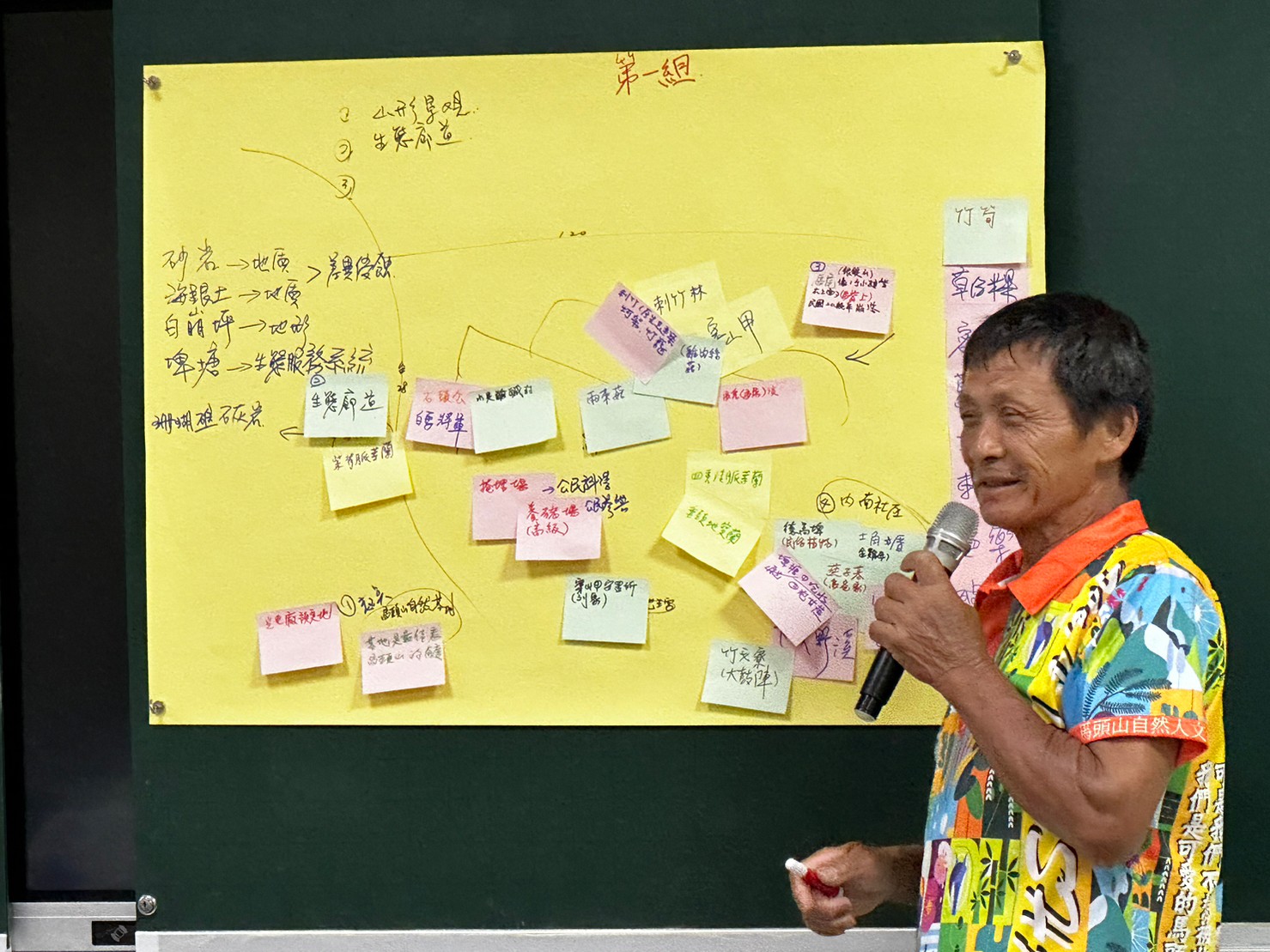
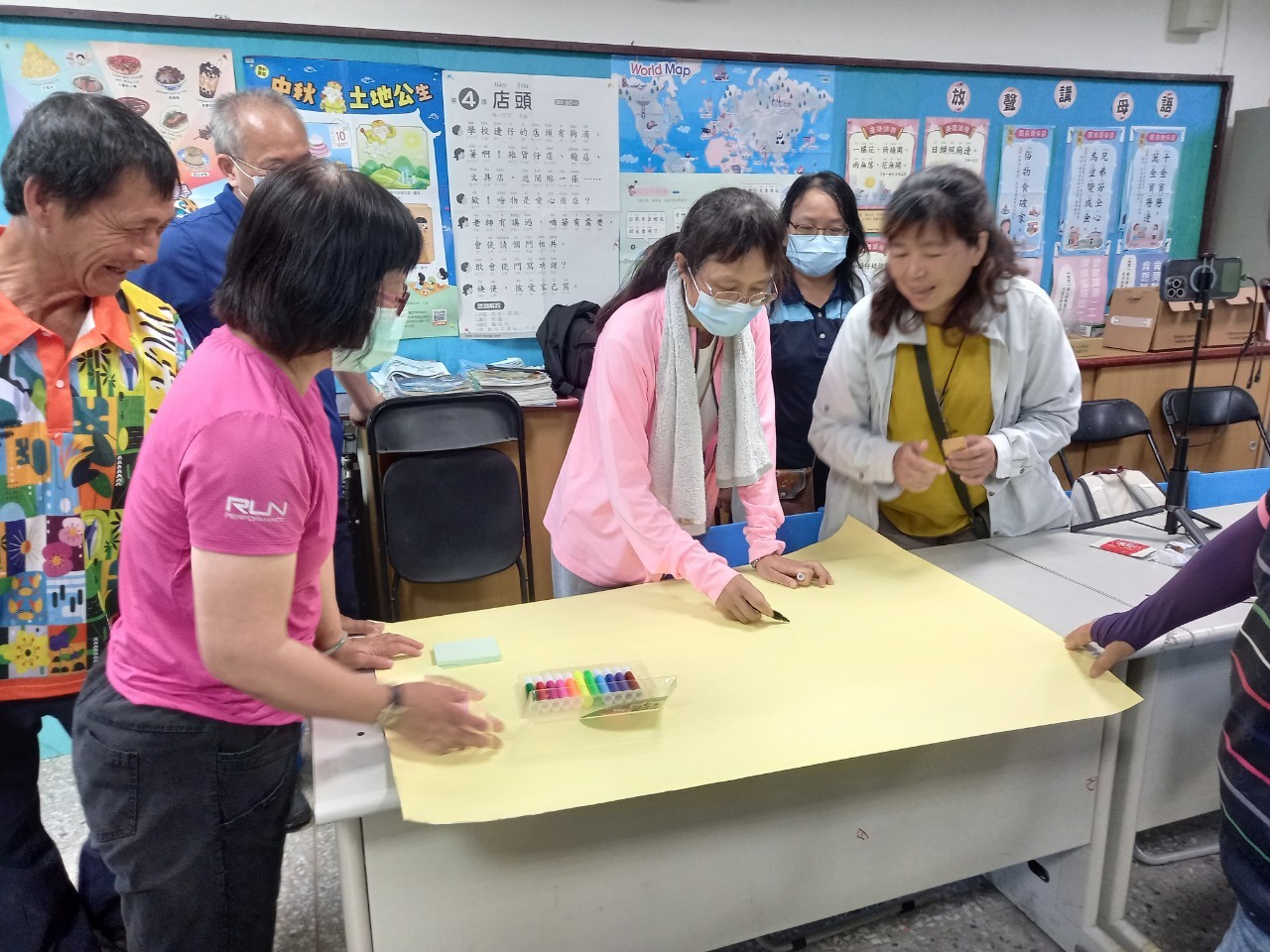
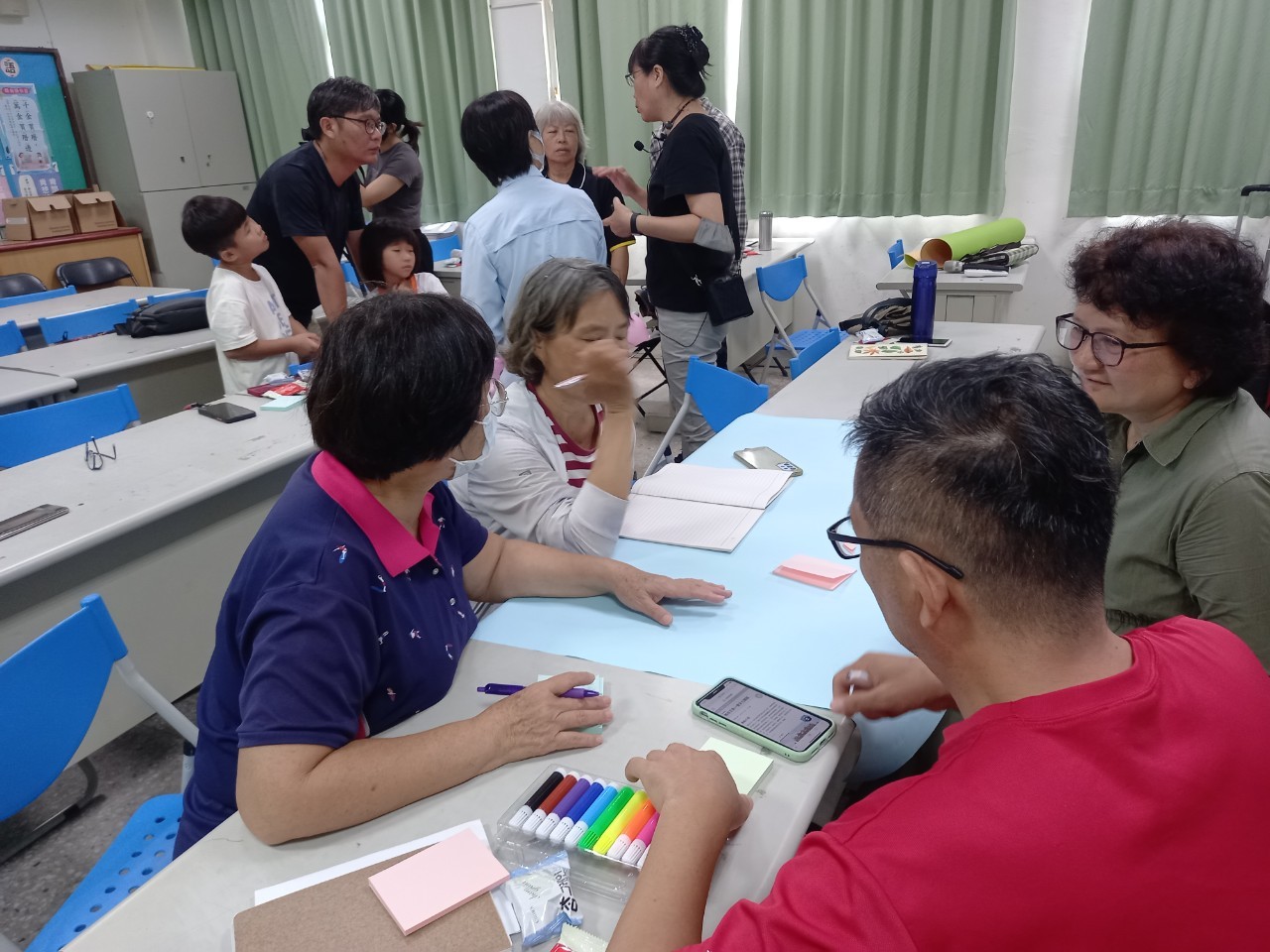
講授結束後,蕭老師依照夥伴的居住地,將與會夥伴分為三組,分別為旗山地區、內門地區及馬頭山地區,讓各組夥伴進行討論後使用壁報紙繪製在地的特色旅遊地圖,並標示出最佳動線和特色亮點,討論結束後各組夥伴並上台進行分享。
After the lecture, Miss Hsiao divided the participants into three groups based on their place of residence: the Qishan area, Neimen area, and Matuoshan area. Each group was tasked with discussing and creating a local-themed travel map on poster paper, highlighting the best routes and key features. After the discussions, each group presented their maps on stage.
這場研習不僅加深成員間的交流,也促進對社區的認識。夥伴成員皆表示透過這次討論,自己更了解所居住的這片土地特色,也獲得如何對外宣揚自身社區魅力的方法。
This workshop not only deepened the interaction among members but also enhanced their understanding of the community. The participants expressed that through the discussions, they gained a better understanding of the unique features of their land and learned effective ways to promote the charm of their community to others.
淺山地區環境保育夥伴關係與社區培力計畫旨在促進在地與社群成員自願性的參與及投入生態保育為目標,共同對外推廣馬頭山地區與的環境永續發展模式。歡迎對馬頭山地區之人文及生態保育有興趣的民眾,進一步參與及關注,請追蹤計畫臉書粉絲專頁:於臉書搜尋「馬頭山返野」並按「讚」,就可即時獲得計畫最新活動資訊。
The Shallow Mountain Area Environmental Conservation Partnership and Community Empowerment Project aims to stimulate voluntary participation in ecological conservation of both local and community members, which promotes the developing environmental sustainability of the Ma-tou Mountain area. Friends who are interested in the culture and conservation of the Ma-tou Mountain area are welcome to participate in our project. To keep up with our latest news, please follow the Facebook fan page of the project by entering “馬頭山返野" on Facebook and “Like" the page.
 馬頭山返野
馬頭山返野 