
Local Stories
在地故事

馬頭山傳說
馬雲宮的故事
馬頭山的黑金磚
馬頭山的金扁擔
馬頭山
傳說Tales about Matoushan
旗山與田寮交界的臺28公路旁,可見到一座外形猶如古代銀錠的的獨立山頭,依外形 稱為「銀錠山」,然而從旗山往田寮方向遠眺,外形又如同馬頭一般,而又稱為「馬頭山」。馬頭山/銀錠山是內門、田寮和旗山的天然界線;羅漢門八景之一的「銀屏獻瑞」,指的正是馬頭山。Along Provincial Highway No. 28 across the boundary between Chishan and Tianliao, a solitary mountain top shaped like an ancient silver ingot can be seen. People called it “Yindingshan” (meaning silver ingot mountain) by referring to what it looks like. However, if it is viewed afar from Chishan to the direction of Tianliao, this mountain resembles the head of a horse, so it is also called “Matoushan” (meaning horse head mountain). Matoushan/Yindingshan serves as a natural boundary dividing Neimen, Tianliao and Chishan. Among the renowned “Eight Views of Luohanmen”, “Yinping Xianrui” (meaning the silver screen of auspicious blessings”) is the one that particularly refers to Matoushan.
馬頭山觀其外型,像極一匹馬頭朝西尾朝東的駿馬。相傳馬頭山有白馬神(當地居民稱為白馬將軍),被在地人視為聖山。過去,居民如要在馬頭山謀生、活動或路過,都需要向馬神致意,也要到馬雲宮膜拜或告知。The shape of Matoushan looks like a noble steed with its head facing west and tail towards east. It’s said that Matoushan is where the Spirit of White Horse lives. The local residents respect the spirit as “General White Horse”. And Matoushan is regarded as a sacred mountain by the local people. In the past, the local residents paid their respects to the Spirit of White Horse if they intended to live, work or even pass through Matoushan and they also worshiped the spirit and made their wishes at Mayun Temple.
傳說中,馬頭山原本是白馬神,白馬神常常利用夜晚到處去遊玩。曾經有次當地的稻米要準備收成時,農夫發現稻米全部被踏壞了,而且發現許多馬腳印,農夫循著腳印尋找,最後走到了馬頭山,所以當地人覺得就是白馬神跑出來吃稻米。另外一個故事是,過往,居住在馬頭山腳下的居民都是挑水過活,常常挑了好幾十缸水備用。某天早上起來,村民發現前天倒到水缸的水全部都不見了,村民覺得疑惑,所以就在水缸上綁上紅線,結果隔天起來,水缸仍是沒水而且紅線也不見了,村民到處尋找那條紅線跑到哪去了,最後在馬頭山的石壁上找到,所以村民也相信,是馬頭山的白馬神跑出來偷喝水了。In a legend, Matoushan was once a living Whit Horse spirit, who often went out for fun at night. One day, a farmer found that the rice he grew was all trampled and ruined when it was time for harvest. At the same time, he saw lots of footprints of a horse on his farmland. Then he followed these footprints and eventually reached Matoushan. Therefore, the locals believed that it was the mischievous White Horse spirit coming down for rice. There is another tale about Matoushan. In the past, the villagers living at the foot of Matoushan relied on carrying water to survive. They would normally prepare dozens of water jars in the village. One day in the morning, the villagers woke up and found that the water in these jars they fetched in the previous day was all vanished. They felt confused, so they decided to tie a red string around the jars to see what would happen. Yet, after they woke up the next morning, they still found the jars empty and the red string gone. The villagers sought for the red string and finally discovered it on the cliffs of Matoushan. This made the villagers believe that it was the Spirit of White Horse snuck out from Matoushan to quench its thirst.
馬雲宮的故事The Story of Mayun Temple
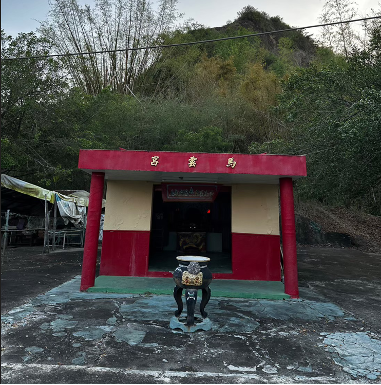
馬頭山是在地居民的聖山,過去在地居民相信如果山上落有較大石塊,則會有大事發生,而落下的石頭會被奉為「石頭公」受在地居民膜拜,成為馬頭山獨特的信仰。Matoushan is revered as a sacred mountain by the local residents. In the past, it was believed that when large stones fell from the mountain, significant events would occur. These fallen stones were worshiped as “Shitougong" (or Stone Gods) and they became a part of the unique belief of Matoushan.
1961年182縣道(為現在的台28公路)建置,一顆受到膜拜的石頭公正好位於預定道路拓寬處,所以工程單位就把它移開,但每次移開後,又有大石落下,導致工程無法順利進行,所以當時的居民就向石頭公請願,表示會將祂移位膜拜,神奇的是,在祭祀之後,工程即能順利完成。後來某次,現高雄市馬頭山自然人文協會會長黃惠敏的父親(黃萬福先生,已故)在夢中感應,要他前往馬頭山某處尋找,醒後,黃老先生與友人依循夢境指示,果然尋獲一只「雲母石」,便將這塊石頭請回祀奉,後來有居民還願,便為「石頭公」搭建一小祠供奉,是為第一代馬雲宮,現在所見的馬雲宮是第二代。(陳玉峯,2017)In 1961, it was when the county road No. 182 (now known as Provincial Highway No. 28) was being constructed. A stone worshiped by the local residents happened to be situated at the designated section of road widening, so the construction crew decided to move it away. Strangely, every time they did so, other big stones would fall down. This situation kept hampering the construction. Thus, the local residents offered prayers to Shitougong and promised to relocate and worship it. Miraculously, the works went on smoothly following the rituals. On another occasion, Mr. Huang Wan-fu (the late father of Ms. Huang Huei-min, the current president of the Kaohsiung City Matoushan Nature and Humanity Association), had a dream instructing him to search for something specific in Matoushan. After waking up, Mr. Huang and his friends followed the guidance given in the dream and eventually found a “mica stone”. Then they brought this stone back for worshipping. Later, some residents built a small shrine for “Shitougong” for repaying a vow. And this shrine was the first generation of Mayun Temple. What we see today is the second generation of Mayun Temple.

圖片來源:本計畫拍攝
石頭公為馬頭山神、土地神的象徵,也是當地居民信仰中心及日常聚會之所在;馬頭山的諸多傳說故事,也成為高雄縣國民小學中年級的鄉土教材。當地老一輩居民表示,自往昔定居於此地,雖然倚山墾殖的生活艱辛,卻也得以在馬頭聖山下安身立命。(臺灣護樹團體聯盟,2018、陳玉峯老師,2018)Shitougong symbolizes the deities of Matoushan and the local land. And the temple serves as the center where the local people come for their belief and daily gatherings. Numerous legends about Matoushan have been collected and incorporated to be the teaching materials on local cultures for the 3rd and 4th grade students of elementary schools in Kaohsiung County. The older generations expressed that though they experienced hardships brought by the settlement and farming in the Matoushan area, they ultimately managed to maintain a stable life here at the foot of sacred Matoushan.
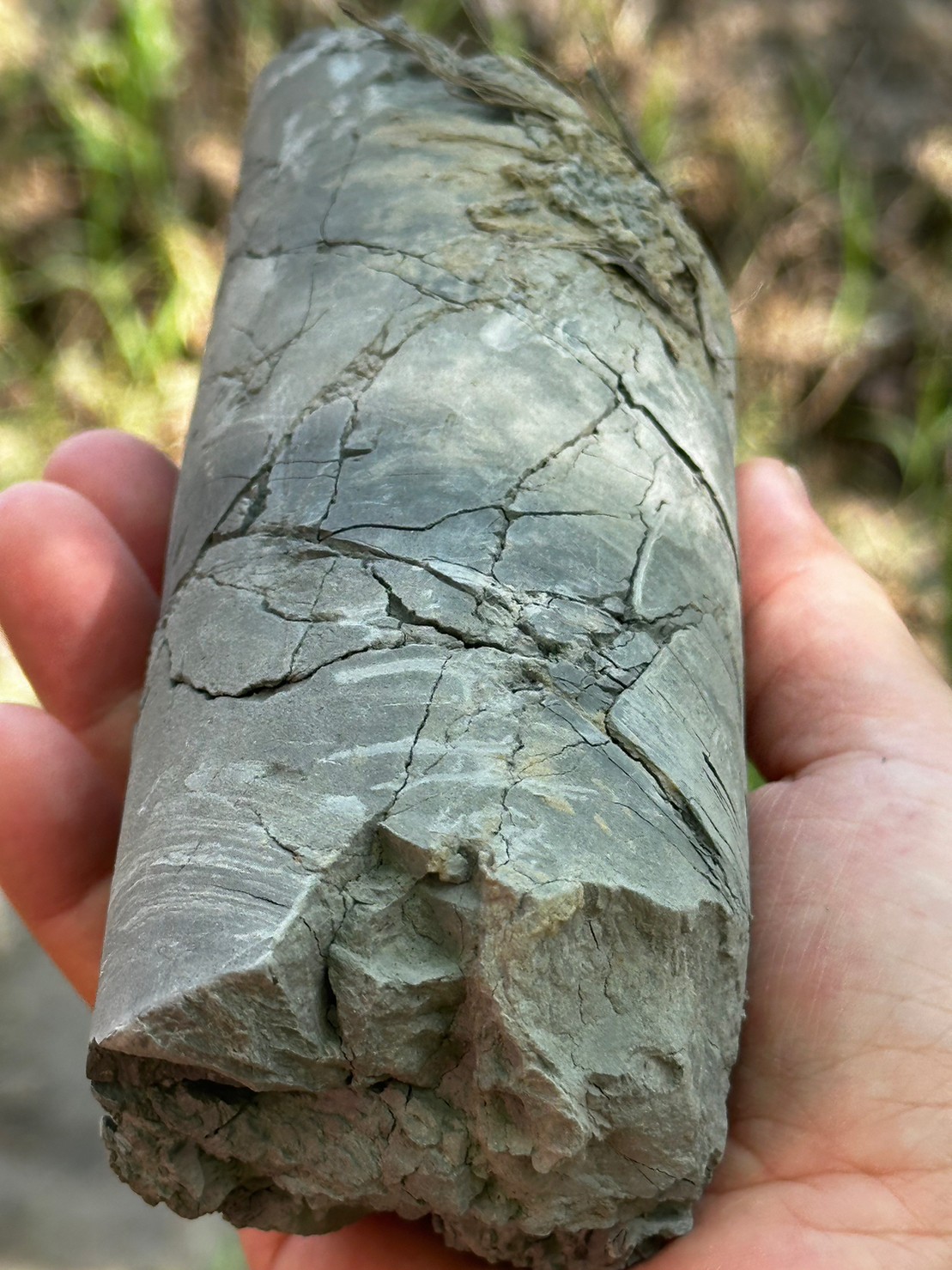
馬頭山的黑金磚Matoushan’s Black Gold Stones
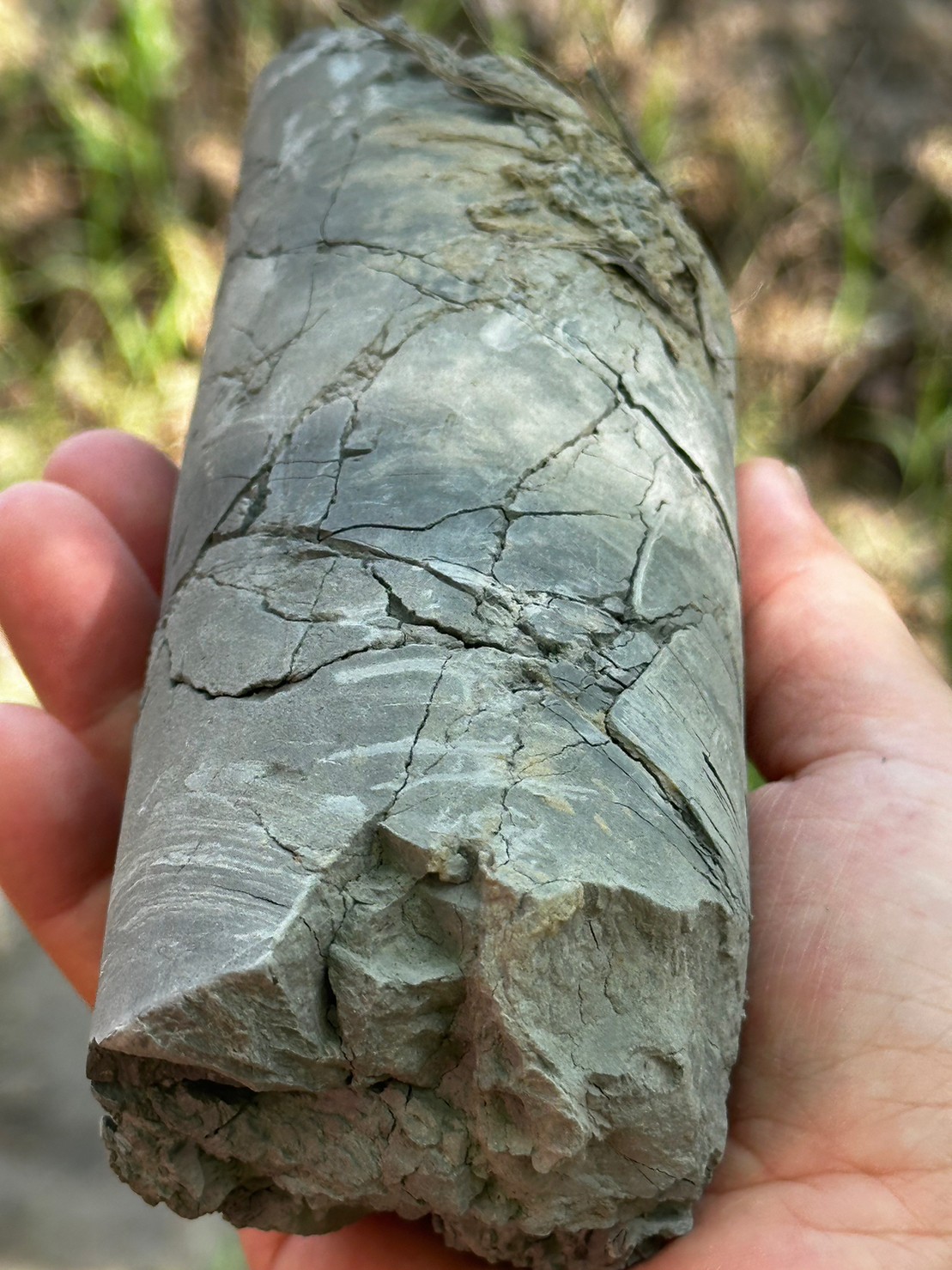
黑金是一種稀有的寶物,有福的人才能得到。Black gold is a rare treasure. It is believed that only blessed persons can be bestowed.
相傳過去台南府城住著一位富有的老員外,他在旗山和美濃等地擁有田地,常常乘轎行經馬頭山古道,前往旗山美濃兩地收取田租,一次從旗山收租後要返回府城,走到馬頭山下,感到口渴,所以下轎找水喝,找到一口泉。This is how the legend had it. An old wealthy land owner, who lived in Tainan, the former capital city, had farm lands in Chishan and Meinong. He often travelled on his sedan chair to these two places for collecting land rent by passing along the ancient trails of Matoushan. One day, on his way back to Tainan from Chishan after rent collection, he felt thirsty upon arriving at the foot of Matoushan. So he got off the sedan chair and looked for water. Then he found a spring.
當時馬頭山山下有兩口泉,一口是甜泉,另一口是鹹泉,傳說中,甜泉是馬涎(馬的唾液),鹹的是馬尿,所以路經的人們都是喝甜泉止渴。當天員外也是喝甜泉,當時他踏在兩塊石頭上,雙手捧起泉水接口喝,當彎下腰捧水時,水面隱約浮現幾個字:「雙跤踏黑金,雙手捧水咻」。員外意識到他腳踏的不是普通石頭,而是兩塊黑金,因此將它們帶回去。At that time, there were two springs at the foot of Matoushan. One was sweet and the other salty. According to legend, the sweet one was the saliva of horses while the salty one was their urine. Thus, passersby always drank the sweet spring to quench their thirst. On that day, the wealthy land owner also went to the sweet one for water. When he stepped on two stones and bent down with cupped hands for holding water, he saw several Chinese characters vaguely flickering on the surface of the spring: “Step on black gold with two feet, drink the spring with two hands.” The land owner realized that what he stood on was not something ordinary but two pieces of black gold. So he took them home.
馬頭山的金扁擔The Golden Shoulder Pole of Matoushan
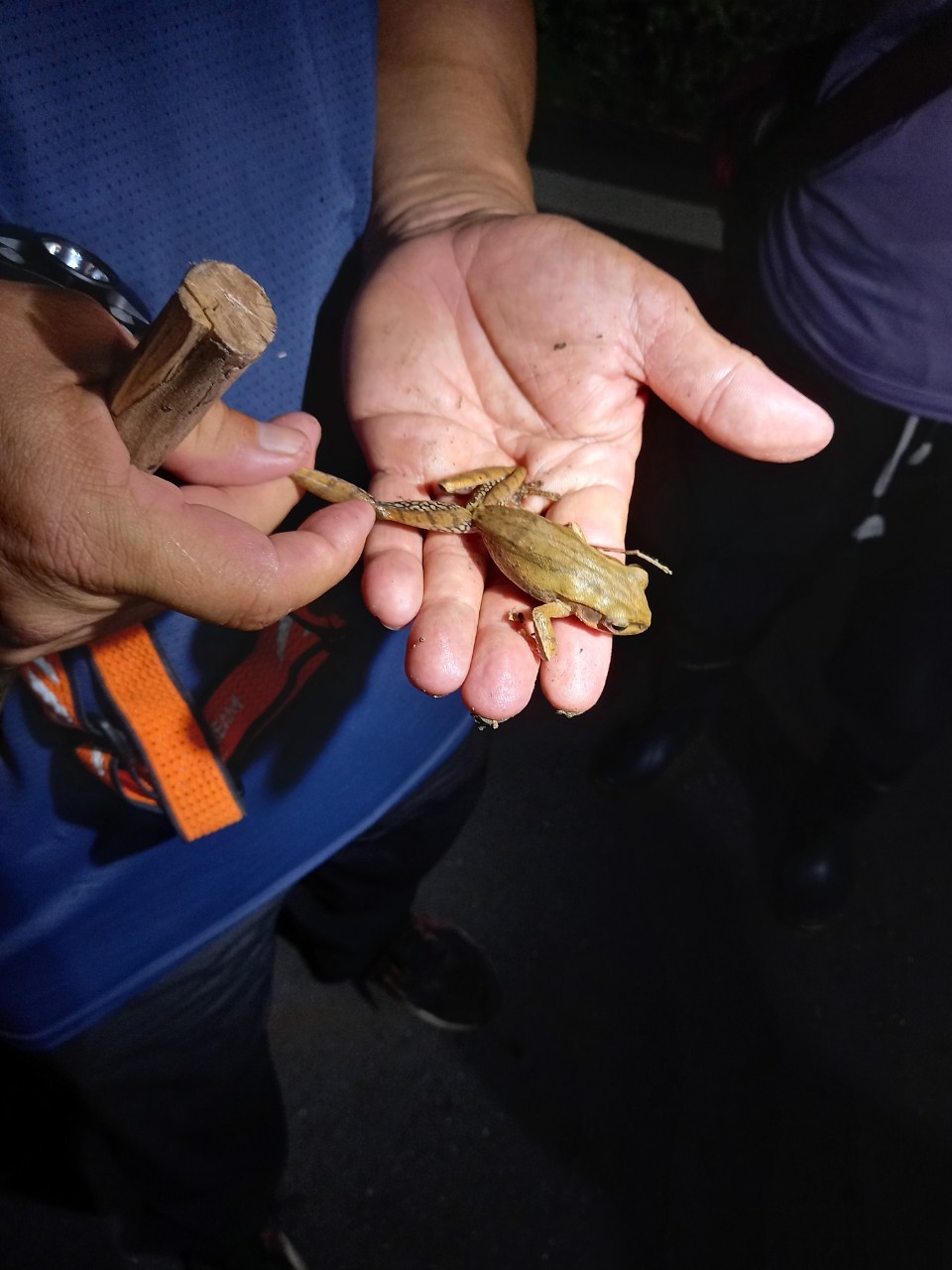
傳說,住在馬頭山下有一戶黃姓人家,靠砍柴維生,有天早晨天微亮時,黃婦起個大早要去挑水,發現馬頭山腳下閃閃發亮,往前一看,發現有一條黃金扁擔,婦人趕緊放下水桶伸手用力拔,結果拉斷了,僅拔出半截,另一半就遁入岩石裡,至今,那一半還留在馬頭山下。In another tale, it was said that a family surnamed Huang lived at the foot of Matoushan. They made a living by chopping firewood. One day at dawn, Mrs. Huang woke up early to fetch some water. She found something flickering at the foot of Matoushan. As she approached forward, she discovered a golden shoulder pole. Mrs. Huang immediately dropped the bucket in her hand and tried to pull this shoulder pole with great strength. Unfortunately, the pole broke and only half of it was pulled out and the other half vanished in the rock. Until now, that half remains somewhere beneath Matoushan.


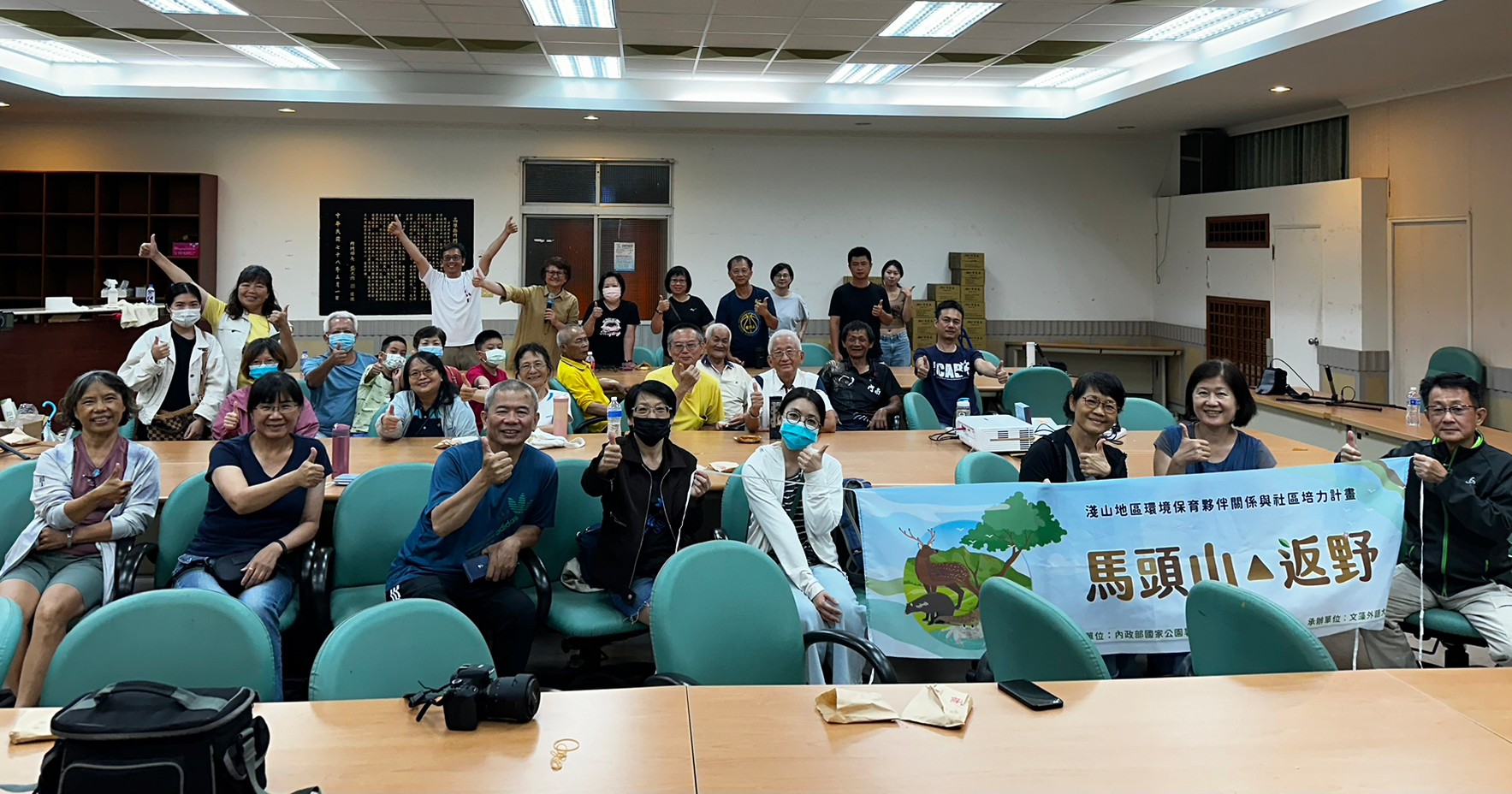
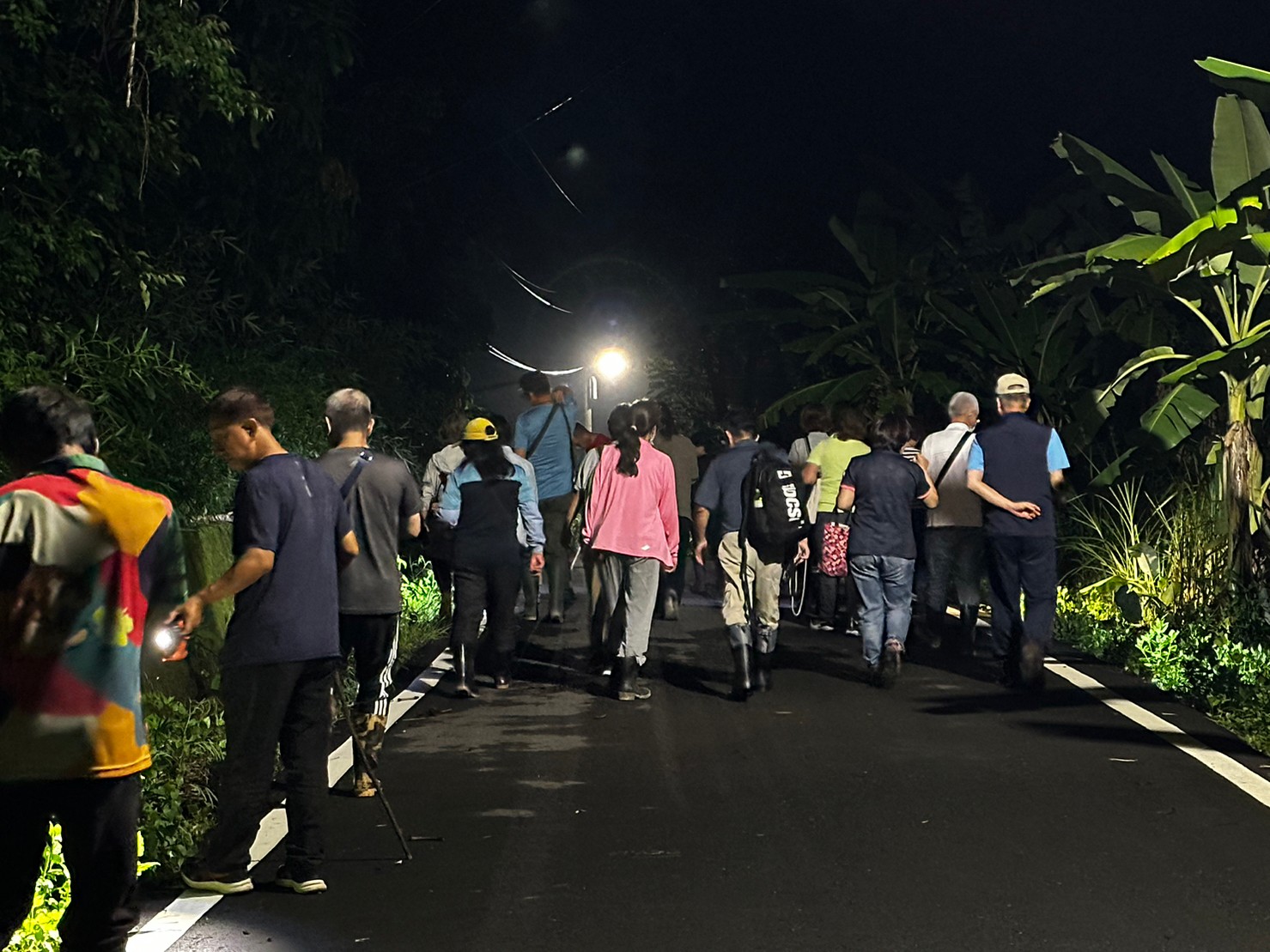
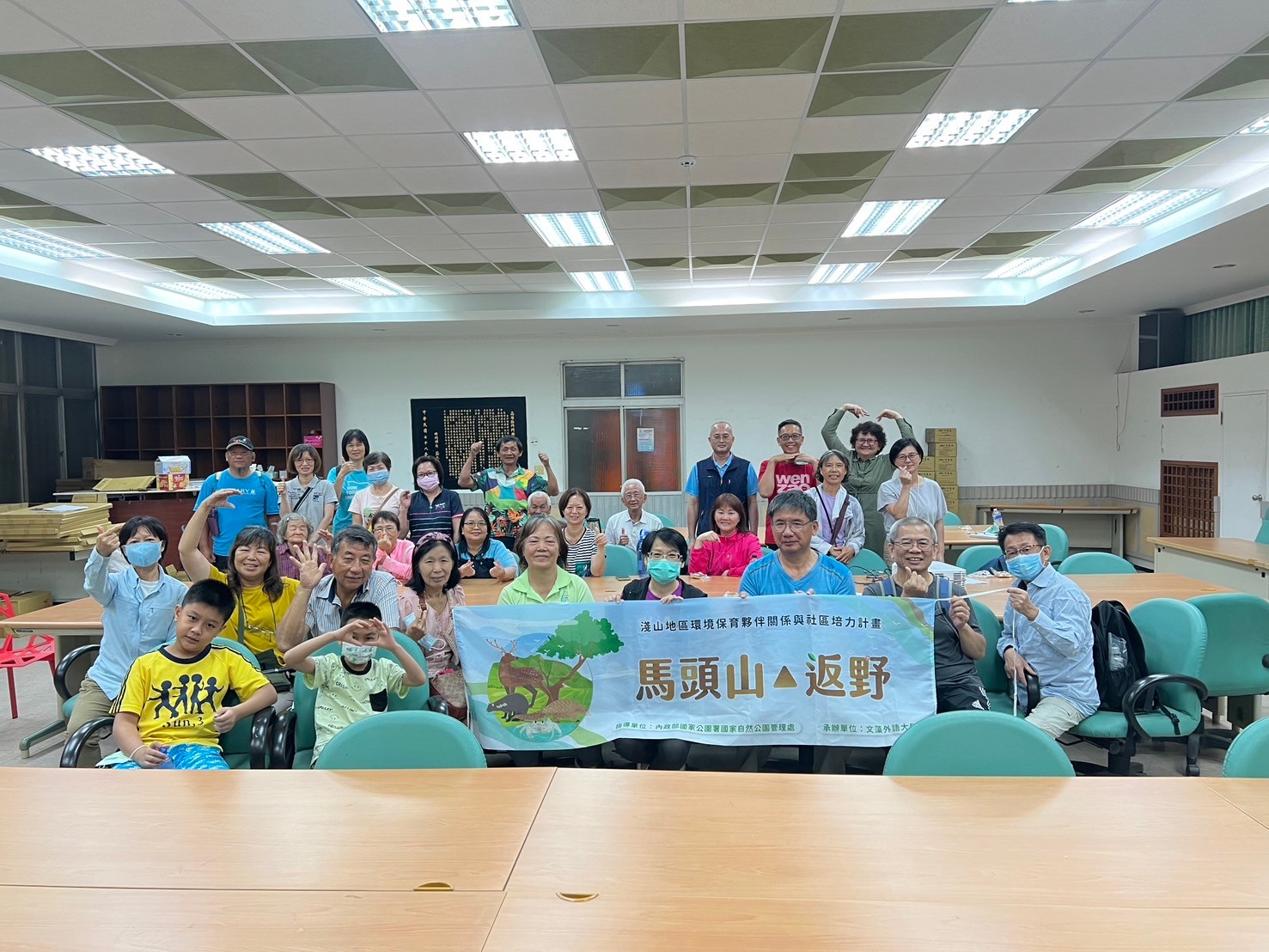
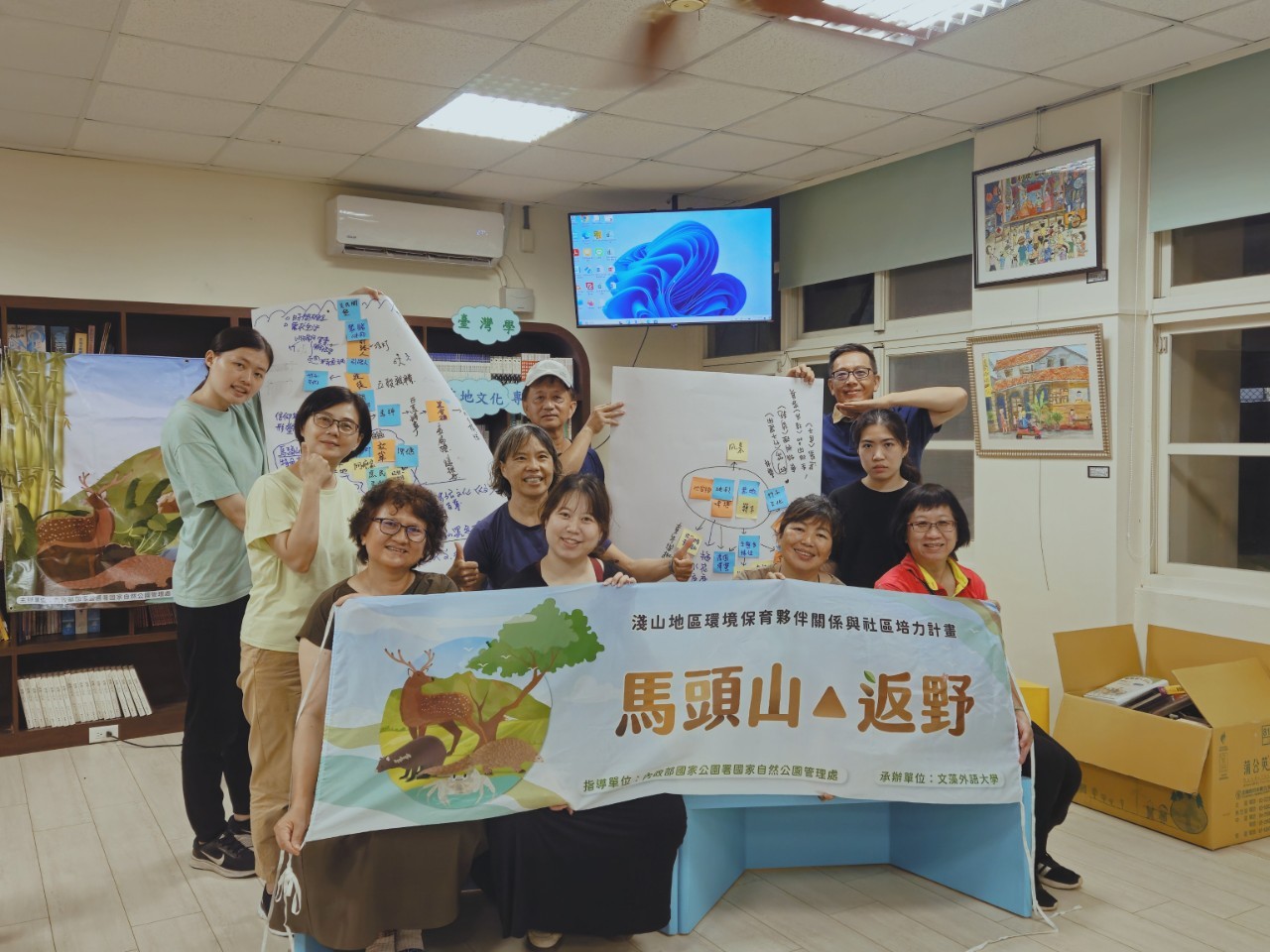


 馬頭山返野
馬頭山返野 