

Ecology Information
生態資訊
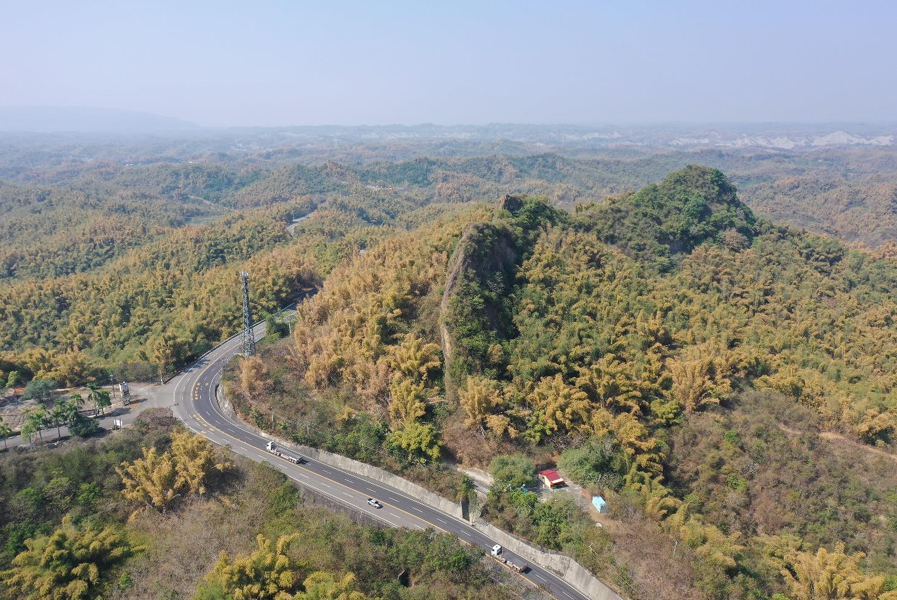
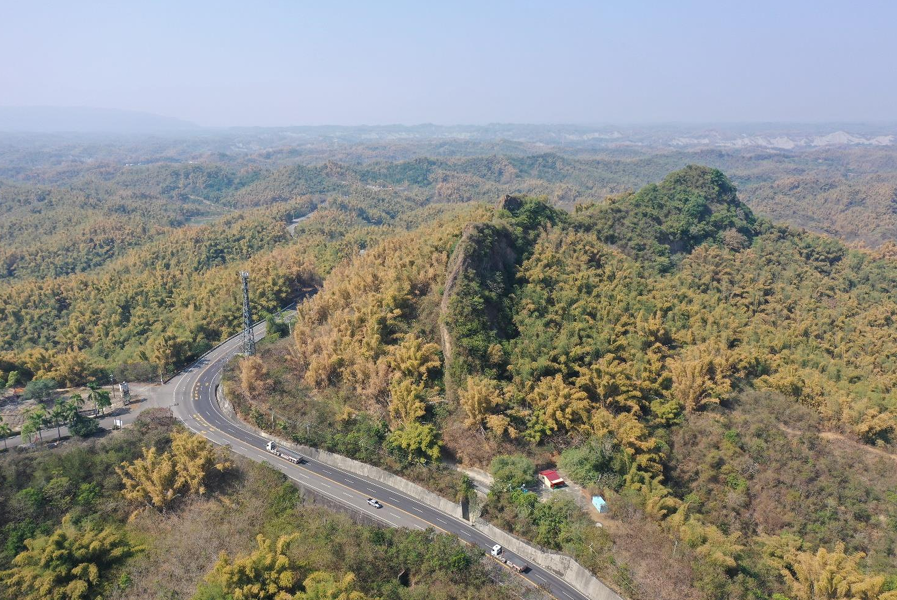
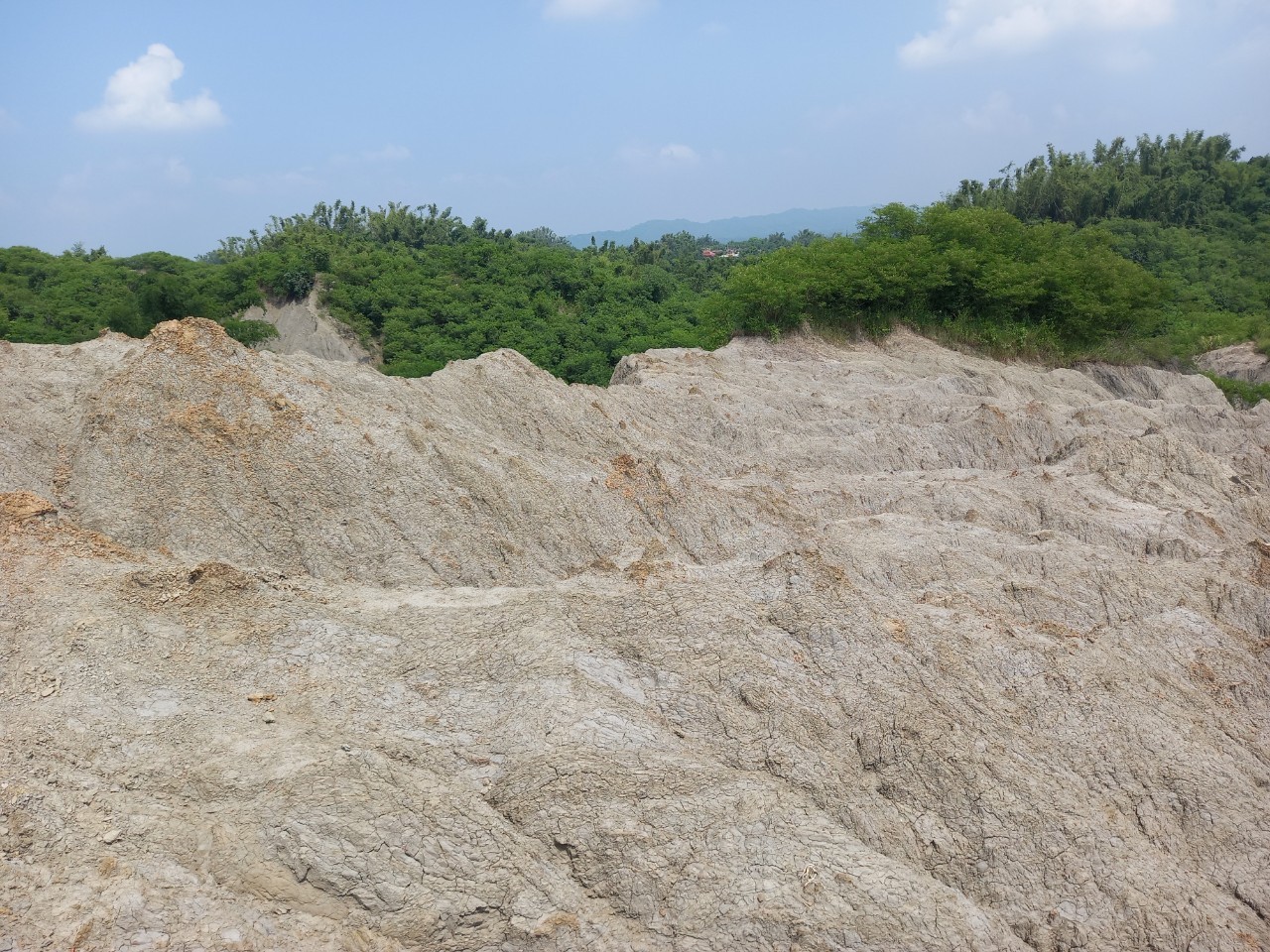
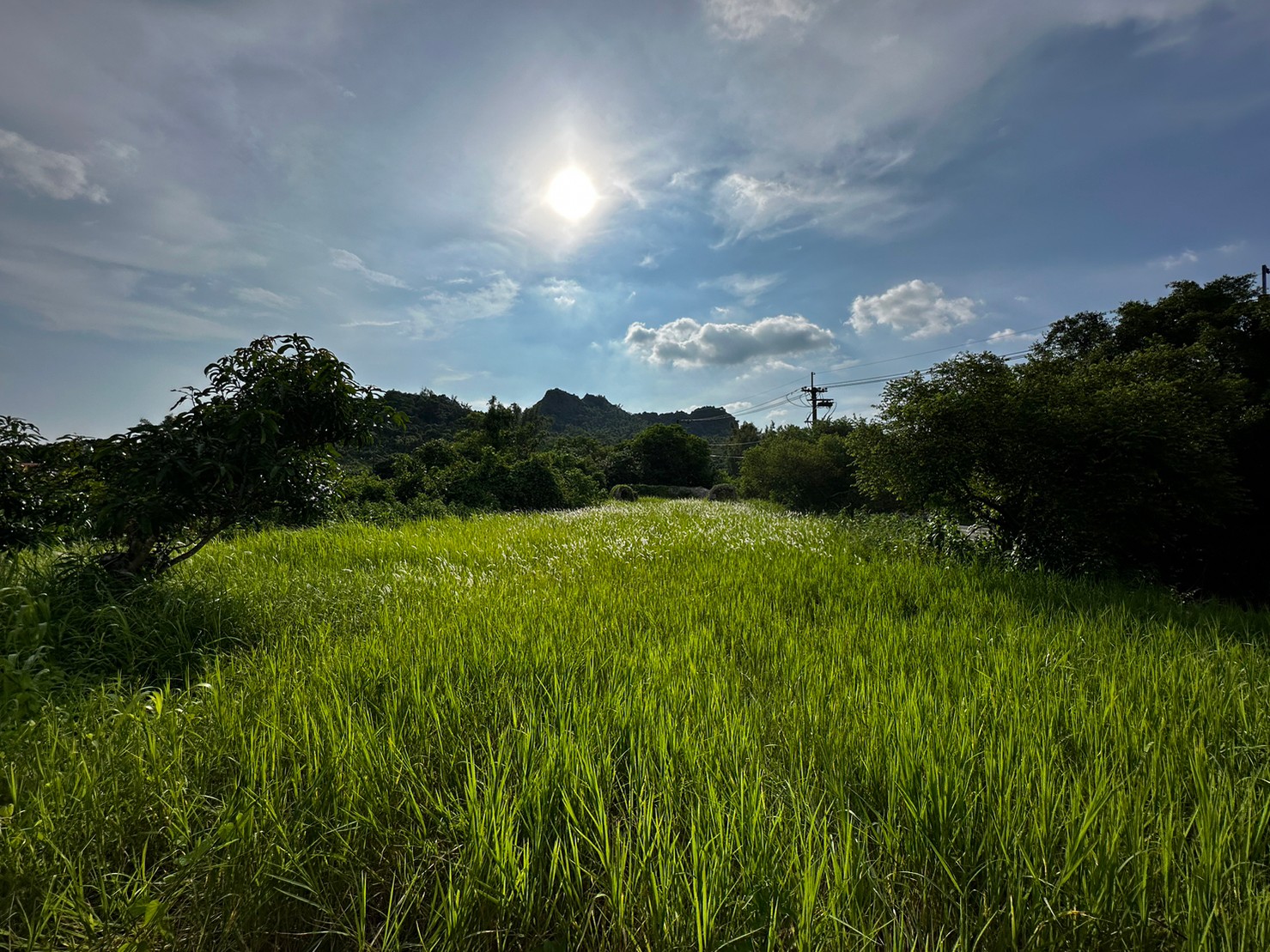
馬頭山,又稱銀錠山,位於高雄的內門區、旗山區和田寮區的交界處,緊鄰台28線的北側。馬頭山地區為泥岩層地質,經過長年風雨侵蝕,形成如今嶙峋的山谷和崎嶇的惡地地形。不僅如此,馬頭山具有砂岩透鏡體,這種地層差異加上特殊的氣候條件,使得這個看似乾燥無水的區域,在乾季時依然能有穩定的水源滲出,這是馬頭山在廣大泥岩區中特殊之處,也孕育出獨特且豐富的淺山生態系統。
馬頭山擁有豐富的地下水,二仁溪也沿著山腳蜿蜒流過,再加上熱帶溫暖濕潤的氣候,為許多台灣的原生動植物提供良好的生存環境。根據馬頭山東側凹地的生態調查,這裡發現了《2017台灣維管束植物紅皮書》中的國家易危物種(Nationally Vulnerable, NVU),包括大葉捕魚木、澤瀉蕨和石蟾蜍;也發現了接近受威脅等級(Nationally Near-threatened, NNT)的岩生秋海棠等植物。
此外,馬頭山區域內有原始刺竹林、次生林和濱岸草生地等多樣的棲地類型,這些棲地交錯分佈,加上區域內的靜水和流水系統,提供豐富的生態環境,使得許多哺乳動物得以在此棲息。這裡的動物包括穿山甲(II級保育類)、麝香貓(II級保育類)、食蟹獴(III級保育類),並也記錄到台灣水鹿、大冠鷲、鳳頭蒼鷹、紅尾伯勞、台灣畫眉、黃鸝、朱鸝和領角鴞等多種保育類動物。這裡是台灣西南部少數仍保存完整的淺山生態區域之一。
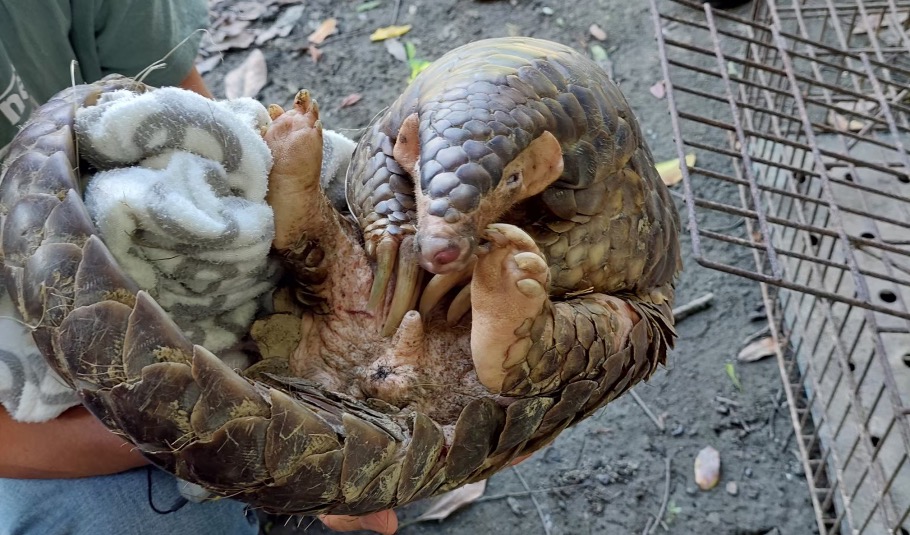
Manis pentadactyla pentadactyla
穿山甲
頭部像圓錐狀,吻部較尖,眼睛小且虹膜呈黑色,腹面呈淡紅色。
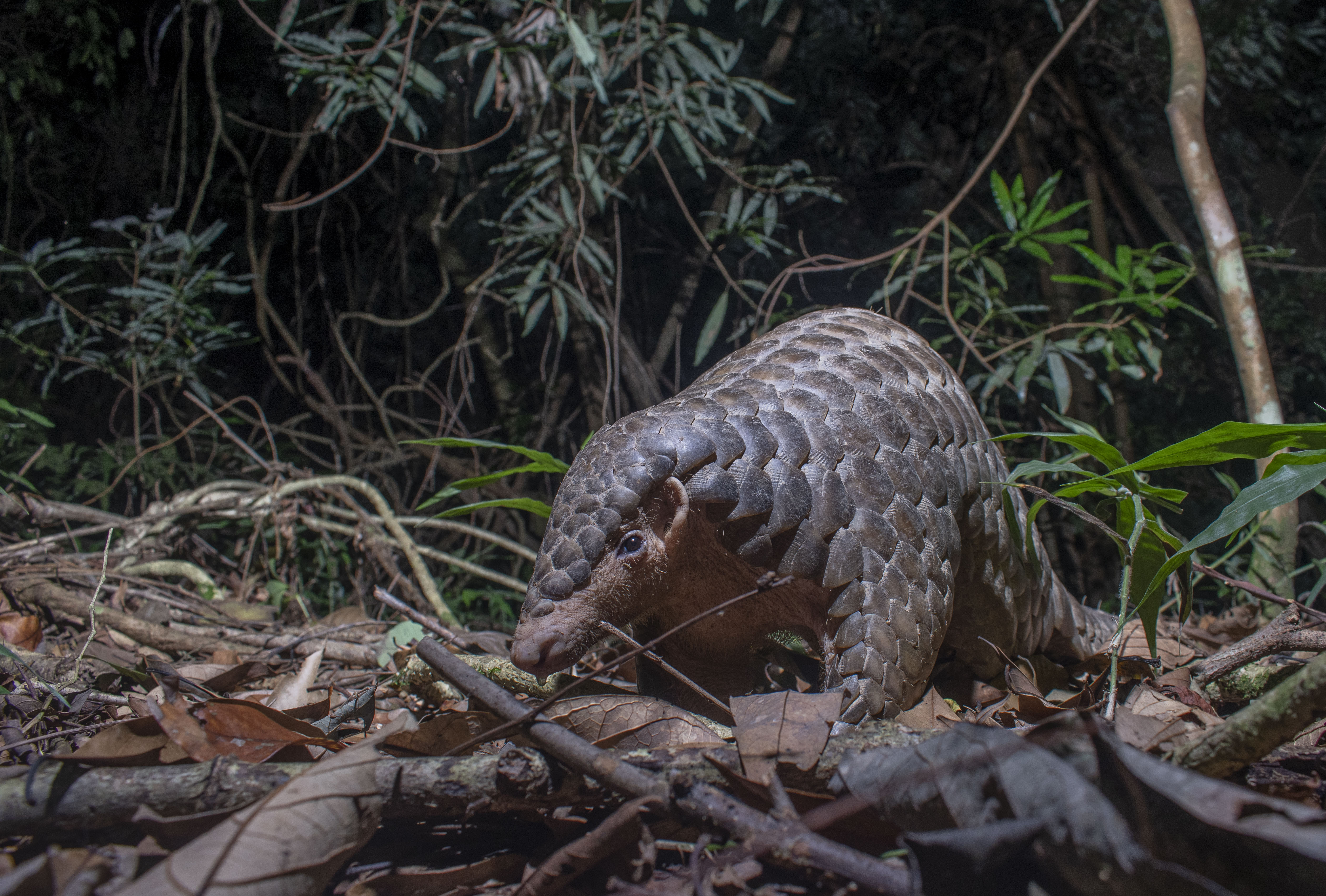
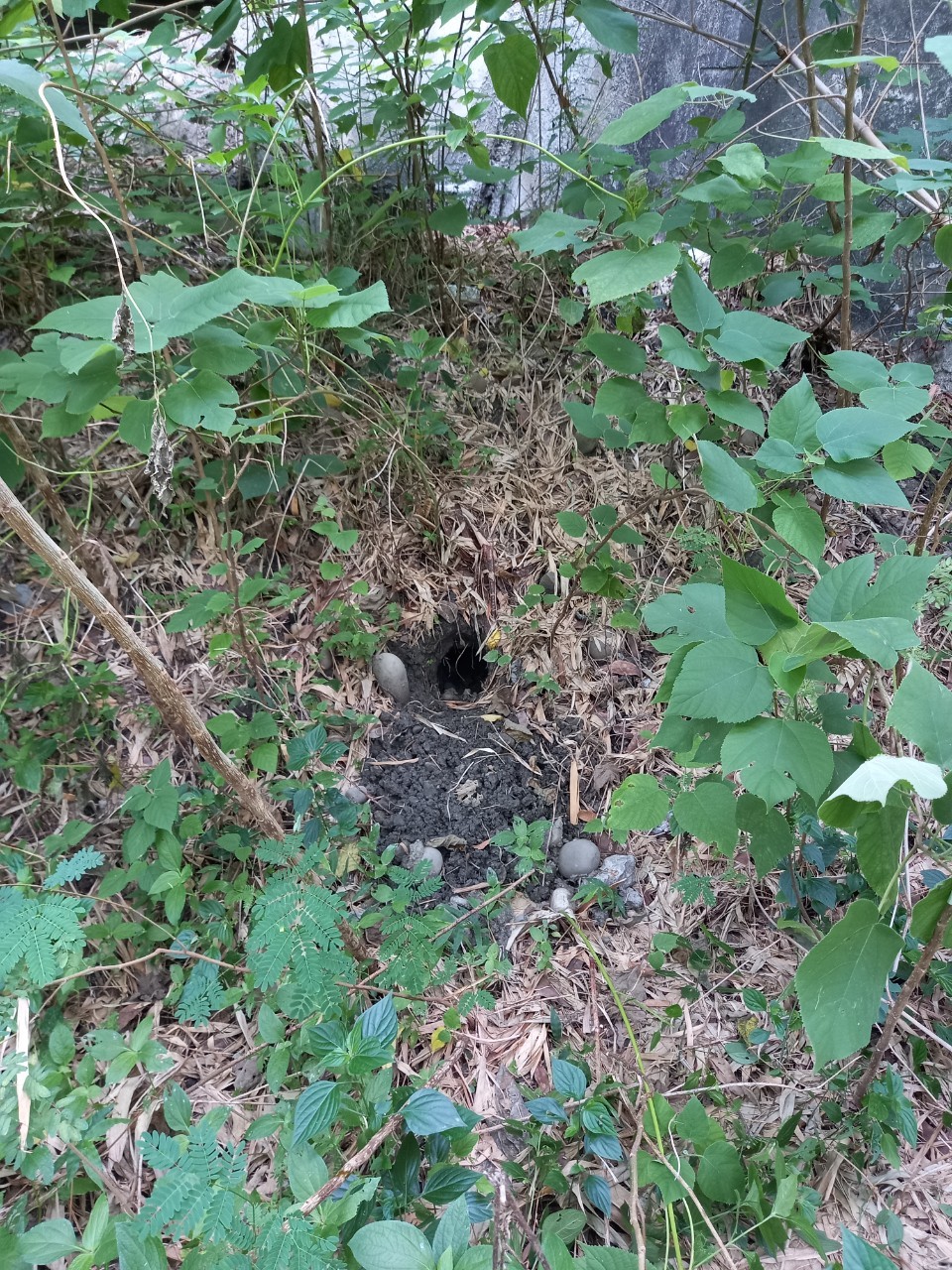
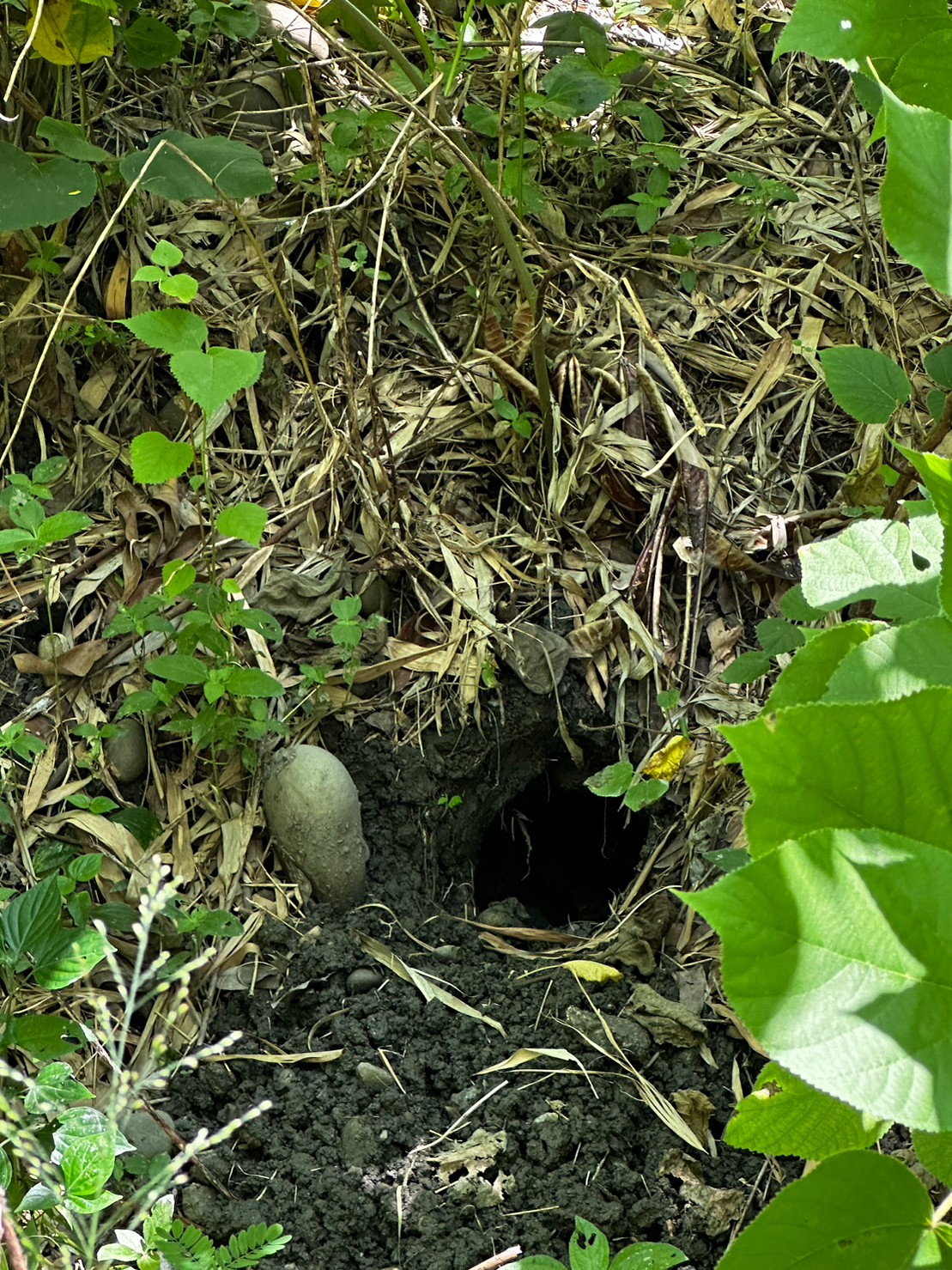
馬頭山地區擁有廣大的刺竹林,過去這裡的居民以竹子產業維生,定期砍伐竹子製作竹製品。然而,隨著竹子產業的沒落,竹林無人管理,逐漸枯萎崩塌。這樣的環境為白蟻提供了理想的棲地,因此也吸引「逐螞蟻而居」的夜行動物—穿山甲定居於此。There are vast areas of thorny bamboo growing in Matoushan. In the past, the bamboo industry was the main profession that the residents relied on for making a living. They regularly harvested bamboo to make bamboo-related products. However, as the bamboo industry declined, these bamboo forests gradually withered and collapsed due to a lack of proper management. The remaining environment thus became an ideal place for termites and naturally attracted Formosan pangolins, a nocturnal animal with a characteristic of “staying where the ants are”, to inhabit.
穿山甲的重要棲息地 A Vital Habitat for Formosan Pangolins
如今,馬頭山已成為台灣穿山甲密度最高的地區之一,顯示此地區在保護這種珍稀動物的生態價值。台灣穿山甲是「中華穿山甲」的亞種,主要棲息於海拔1,000公尺以下的淺山區域。Today, Matoushan has become one of the areas with the highest density of pangolins in Taiwan. The above fact highlights the ecological value and reminds us the importance of protecting this rare animal species. The Taiwanese pangolin is a subspecies of the Chinese pangolin. It primarily inhabits in the foothill zones below an elevation of 1,000 meters.
穿山甲的生態與特徵 Ecological Facts and Characteristics of Formosan Pangolin
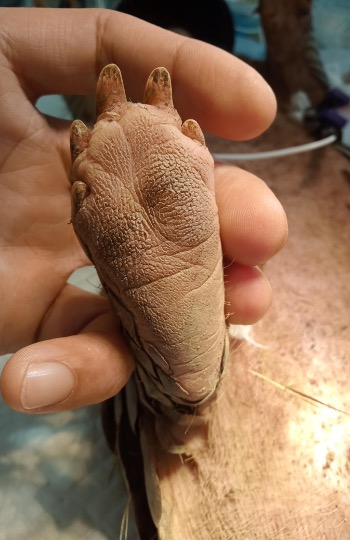
穿山甲體長約44到56公分,尾巴長30到40公分,重3到6.5公斤。牠全身覆蓋灰色鱗片,當遇到危險時會捲成球狀,用鱗片保護自己。舌頭可伸至20公分長,專門用來捕食螞蟻和白蟻。Formosan pangolins measure about 44 to 56 centimeters in body length, with tails from 30 to 40 centimeters, and weigh between 3 ~ 6.5 kilograms. Their bodies are covered in grey scales. They immediately curl into a ball for protection while sensing danger. Their tongues can extend up to 20 centimeters, perfectly for capturing ants and termites.
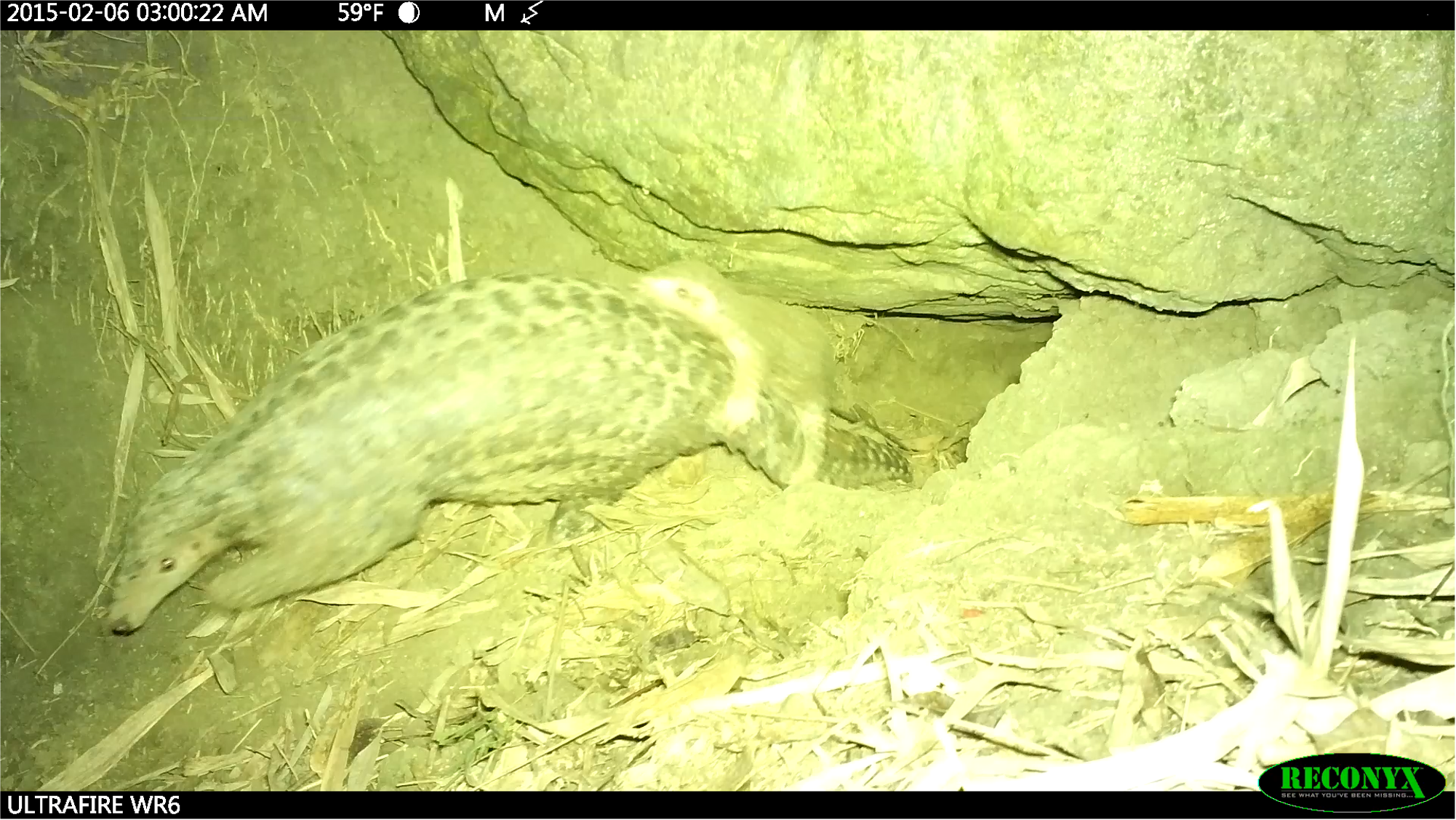
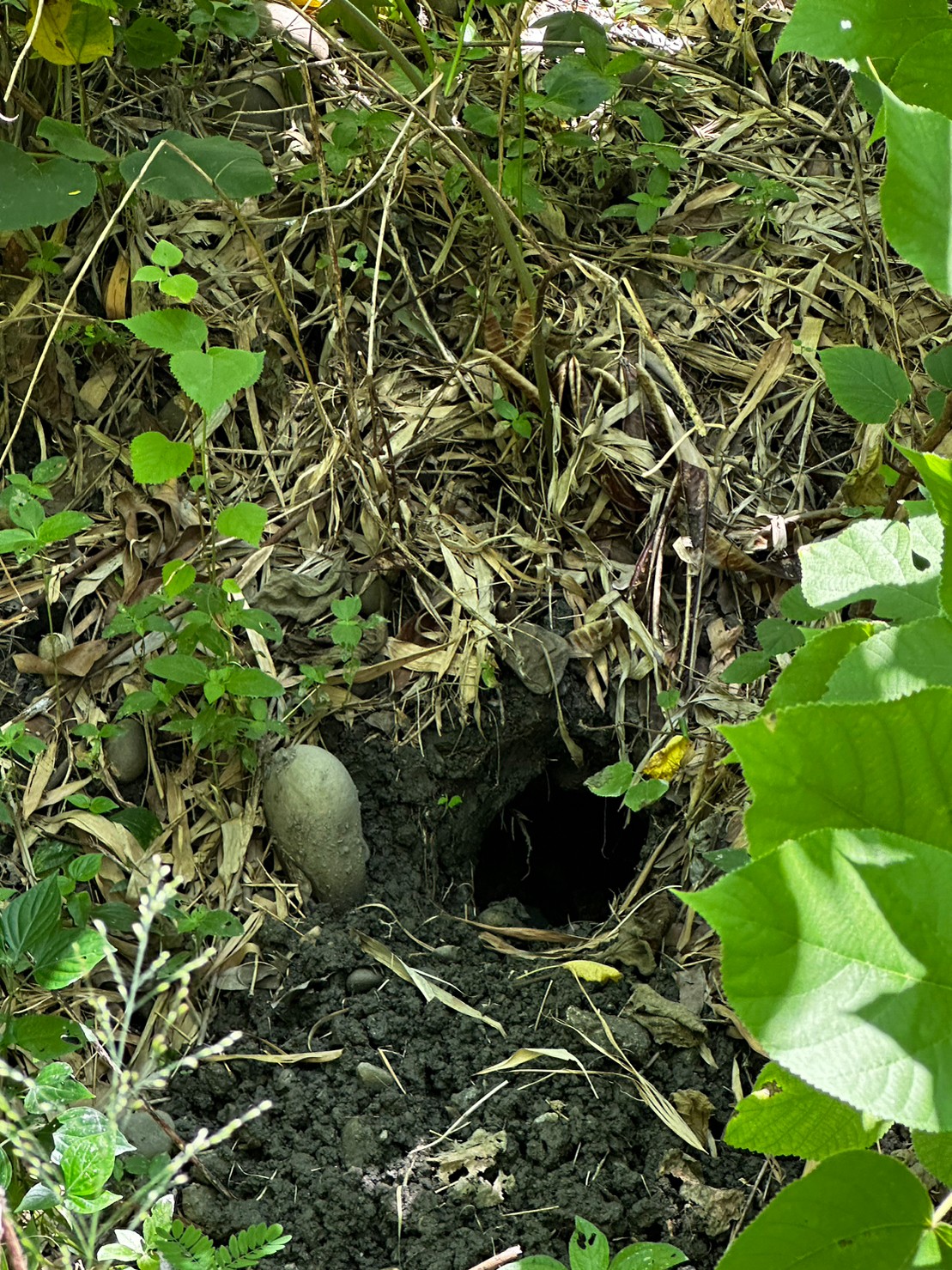
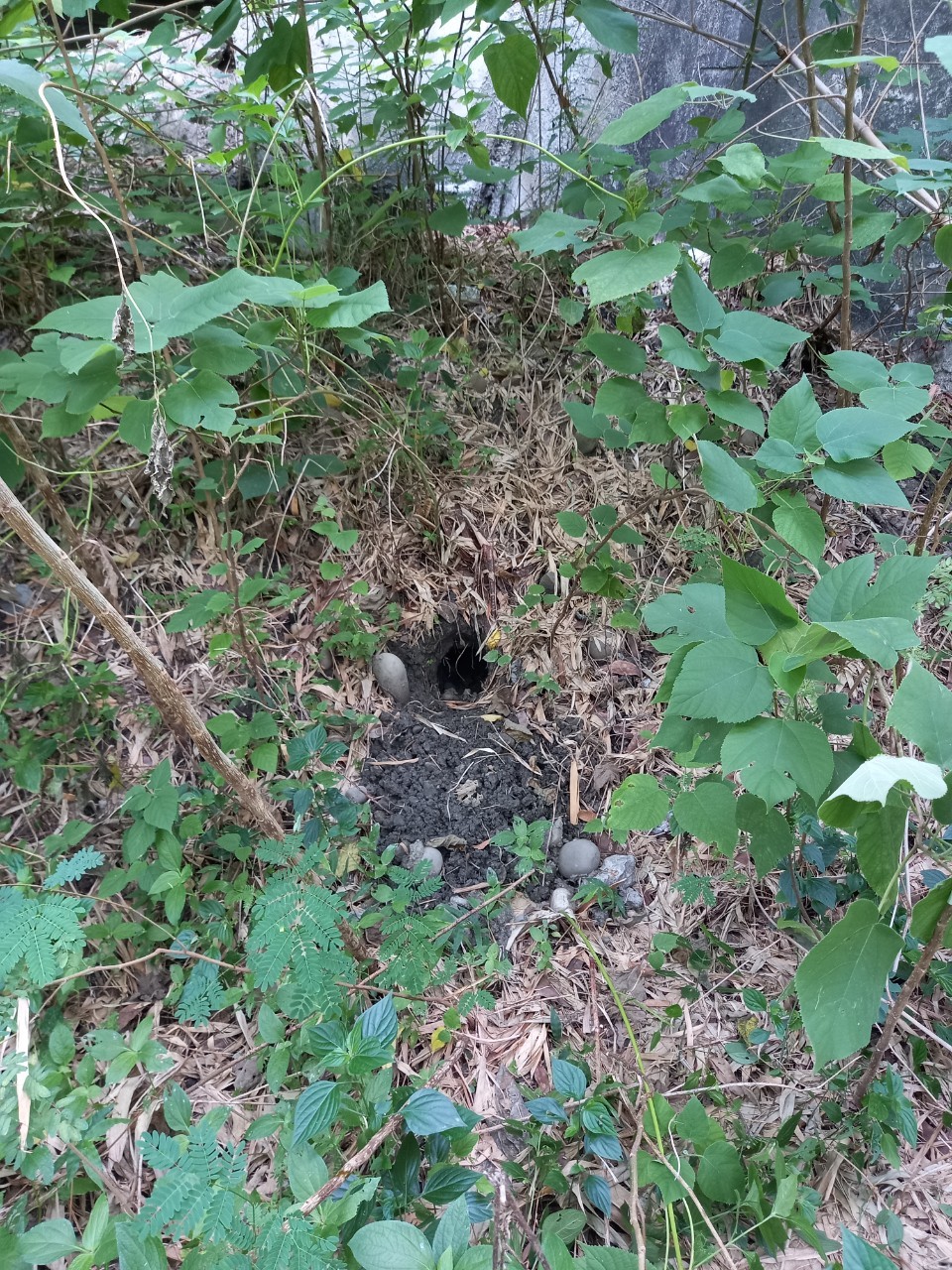
穿山甲是夜行性動物,白天休息於洞穴中,晚上出來覓食。牠們挖洞能力極為強大,有「鯪鯉」(台語讀作 **lâ-lí**)之稱,意指能「把山挖穿」。穿山甲的洞穴分為覓食洞和居住洞,深度可達6公尺。這些洞穴也為其他動物提供庇護,成為共同的“動物旅館”。Formosan pangolins are nocturnal animals. They take a rest in burrows during the day and come out to forage for food at night. They are highly skilled at digging burrows and so nicknamed “lâ-lí” in Taiwanese. This term means that they are able to “dig through mountains.” The burrows where pangolins stay are structured with foraging and living chambers. These burrows also provide shelters for other animals and become an “animal hotel” where different species can share.
穿山甲的繁殖與生長 Reproduction and Growth of Formosan Pangolins
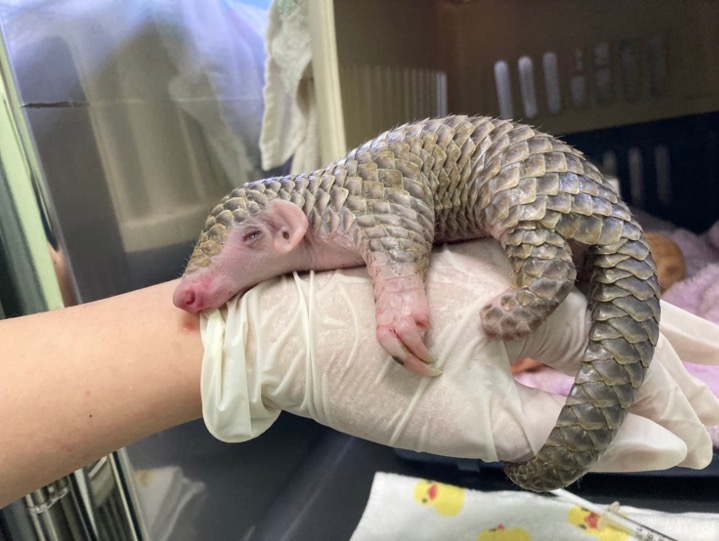
在台灣,野生穿山甲是重點保育物種。根據統計,穿山穿山甲是胎生哺乳動物,妊娠期約為6至7個月。穿山甲每年只會生育一次,每次生育1隻寶寶。出生時,穿山甲寶寶的體型約為100至120克,全身的鱗片柔軟而薄,隨著成長,鱗片逐漸變硬、開始提供保護。Formosan pangolins are viviparous mammals with pregnancy duration of about 6 to 7 months. They give birth once a year, delivering a single baby each time. At birth, a pangolin baby weighs around 100 to 120 grams. They have soft and thin scales that later will harden for protection as it grows.
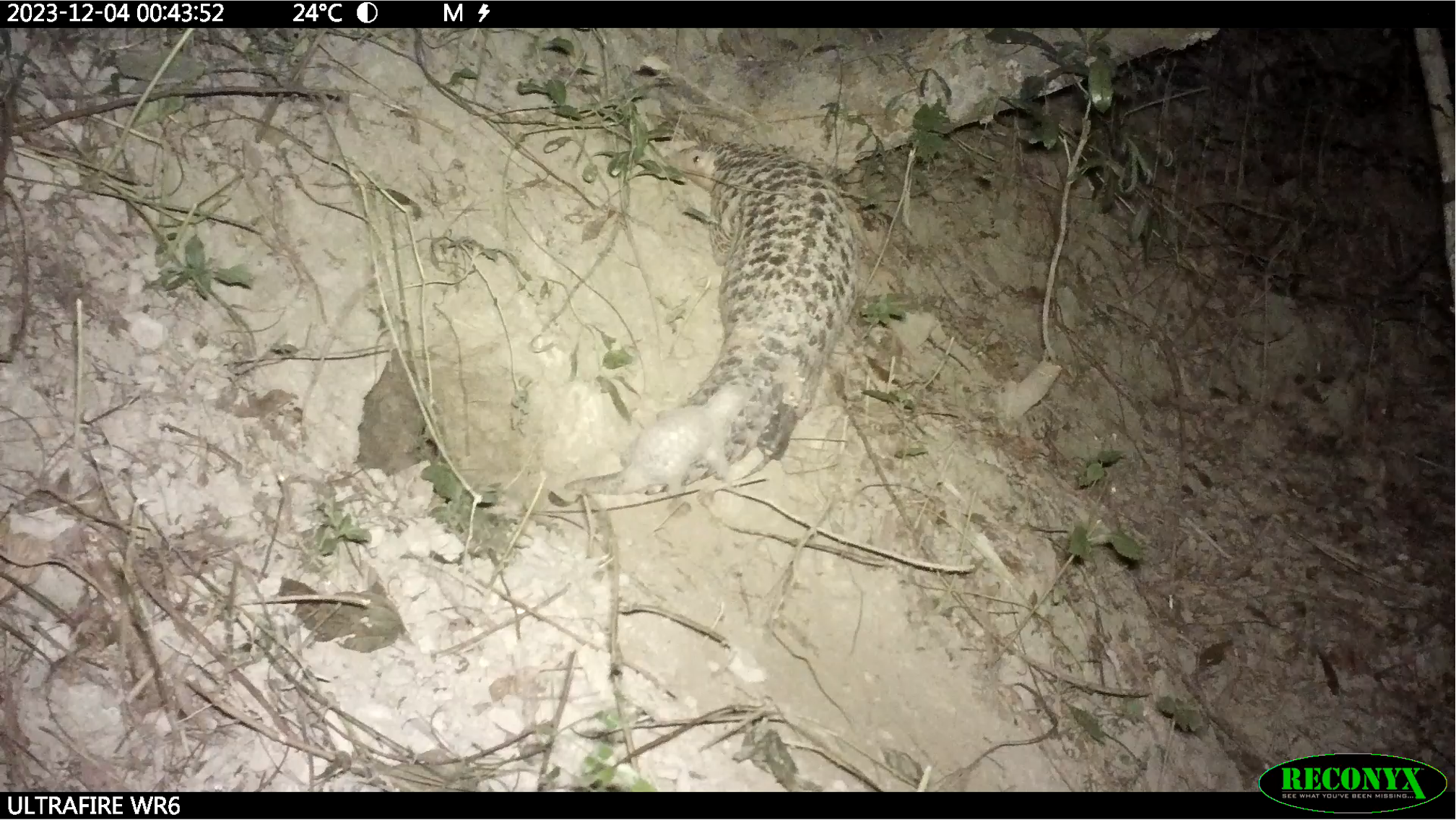
穿山甲媽媽會為寶寶建造安全的洞穴。在出生的頭幾個月,寶寶會依賴穿山甲媽媽,一開始是藉由喝母乳獲取營養,在出生3個月後,穿山甲寶寶逐漸學習獨立進食,並開始模仿母親的挖掘和捕食行為。這一時期寶寶依然和媽媽住在一起,外出時,寶寶會攀附在媽媽的尾巴上一起移動,媽媽的育幼期約5-6個月。穿山甲寶寶一直到約1至2歲時達到性成熟。Mother pangolins build safe burrows for their babies. In the first few months after birth, the babies absorb nutrition through breastfeeding. Around three months following their birth, the pangolin babies gradually learn to get food independently and start imitating mother pangolins’ digging and foraging behaviors. At this moment, baby pangolins still live with their mothers. The babies cling onto mother pangolins’ tails while going out of the burrows and moving around. The nurturing period for the baby pangolins usually lasts from 5 to 6 months and baby pangolins reach sexual maturity when they are about one to two years of age.
穿山甲的威脅 Threats to Formosan Pangolins
在台灣,野生穿山甲是重點保育物種。根據統計,穿山甲的主要威脅來自流浪犬的攻擊及獸夾的傷害。特別是犬隻攻擊對穿山甲的族群最為致命,常常導致穿山甲重傷甚至死亡。有許多案例中,流浪犬直接咬斷穿山甲的尾巴,由於穿山甲寶寶習慣攀附在媽媽的尾巴上行動,如果媽媽失去了尾巴,就會增加育幼失敗的風險。Wild Formosan pangolins are considered one of the major species to be conserved and protected in Taiwan. According to some statistics, the main threats to Formosan pangolins included attacks by stray dogs and injuries caused by animal traps. Dog attacks, often leading to Formosan pangolins’ severe injuries or death, accounted for the most fatal cause to the Formosan pangolin populations. In numerous cases, stray dogs directly bit off a pangolin’s tail. As mentioned above, baby pangolins tend to cling onto their mothers’ tails for movement. Consequently, the risk of nurturing failure may increase if mother pangolins lose their tails.
如何保護穿山甲?How to Protect Formosan Pangolins?
減少流浪犬的威脅。支持流浪動物安置計畫,避免牠們對野生動物的傷害。同時進行推廣教育,讓大眾了解馬頭山的自然環境以及對生態環境的影響,提高對環境及穿山甲的保育意識。One way to protect Formosan pangolins is to reduce the threat posed by stray dogs. Supporting animal placement programs can help prevent these animals from harming wildlife. Moreover, we should extend education to the general public so that people can get to know more about the natural environment in Matoushan and its ecological impact, and then raise the public’s awareness of environmental protection and conservation for Formosan pangolins.
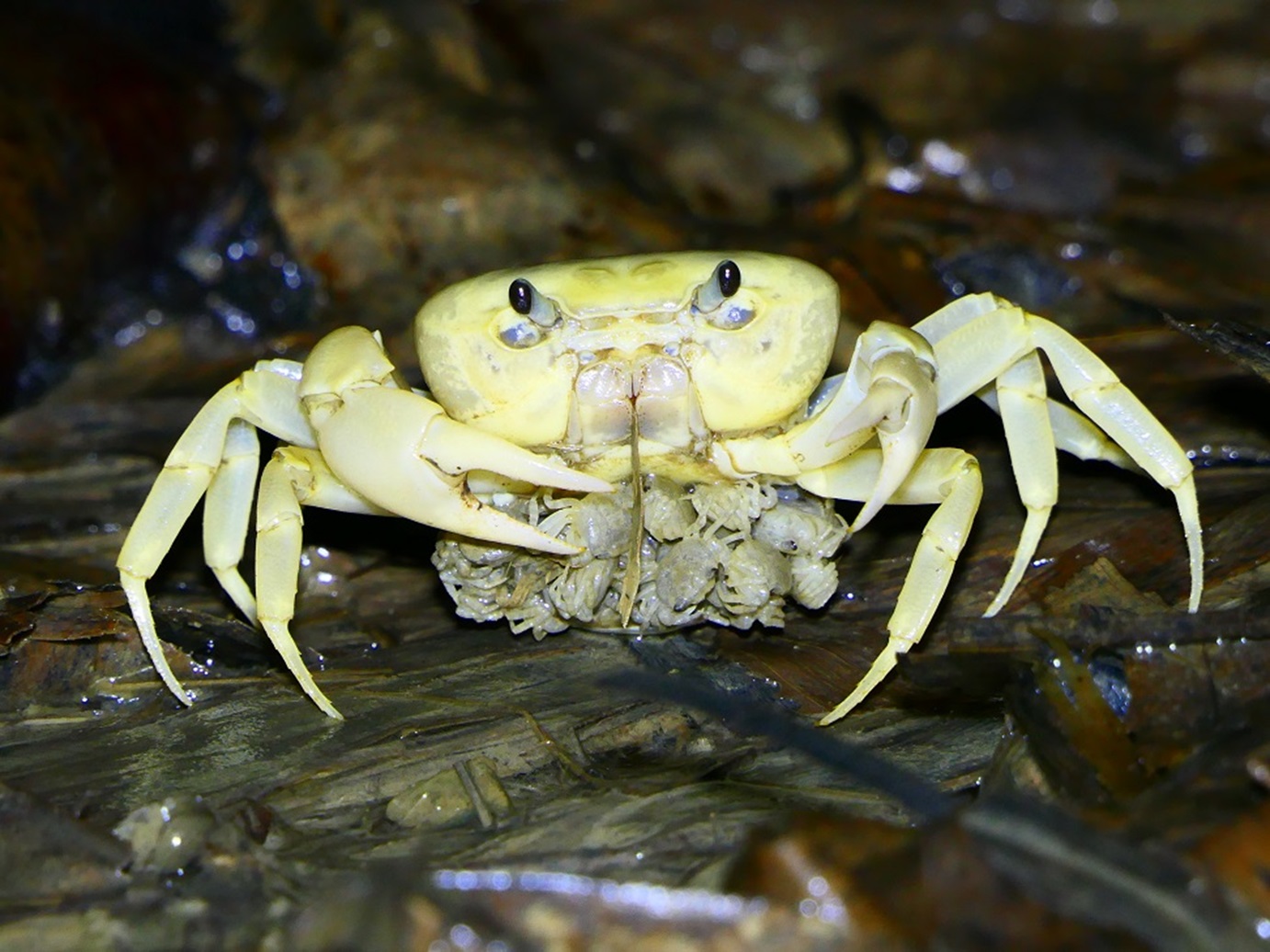
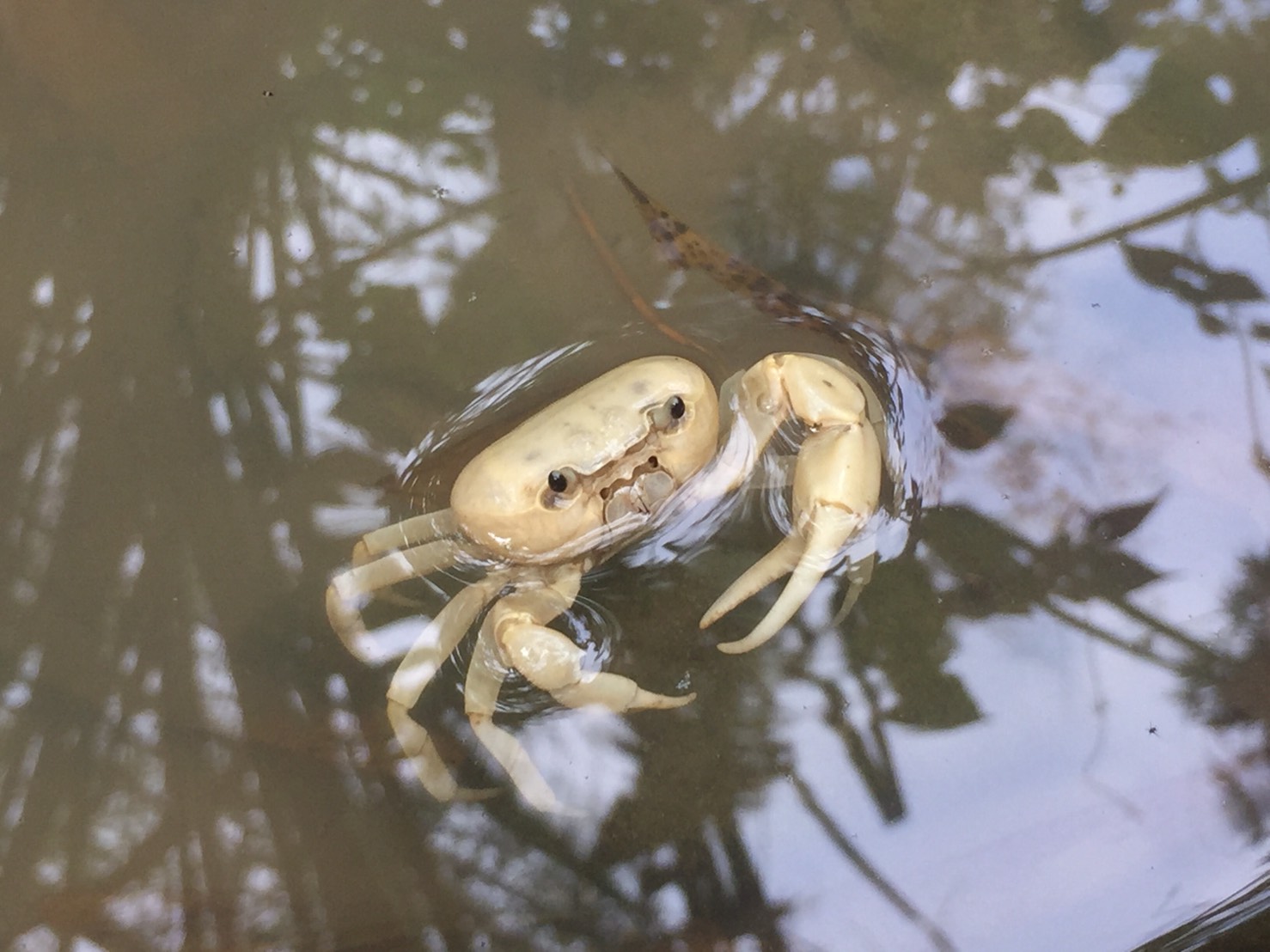
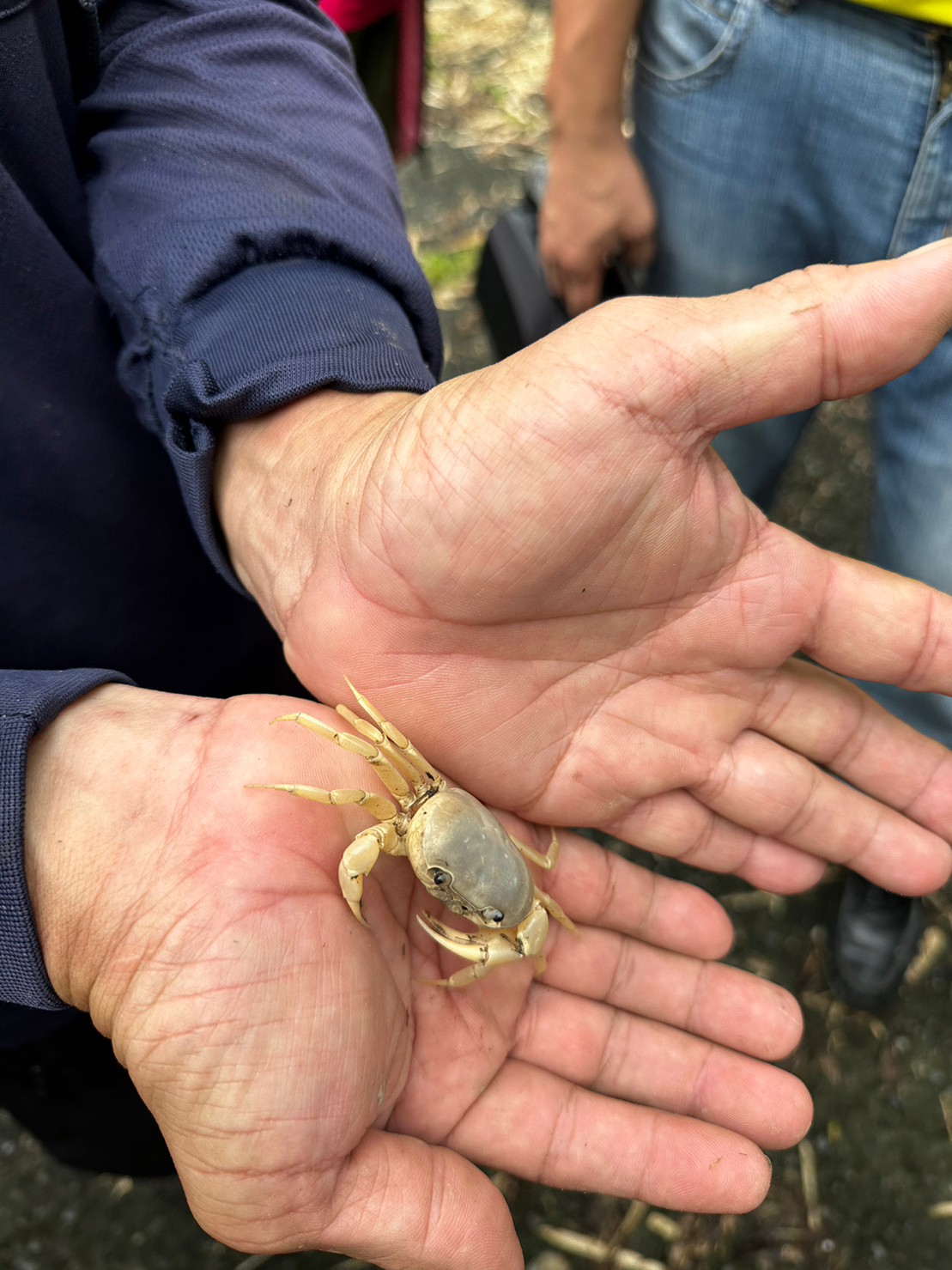
Geothelphusa ancylophallus
厚圓澤蟹
成蟹棲息並活動於乾燥地區,身體為灰白色,與棲地的環境背景顏色近似,因而成為保護色。
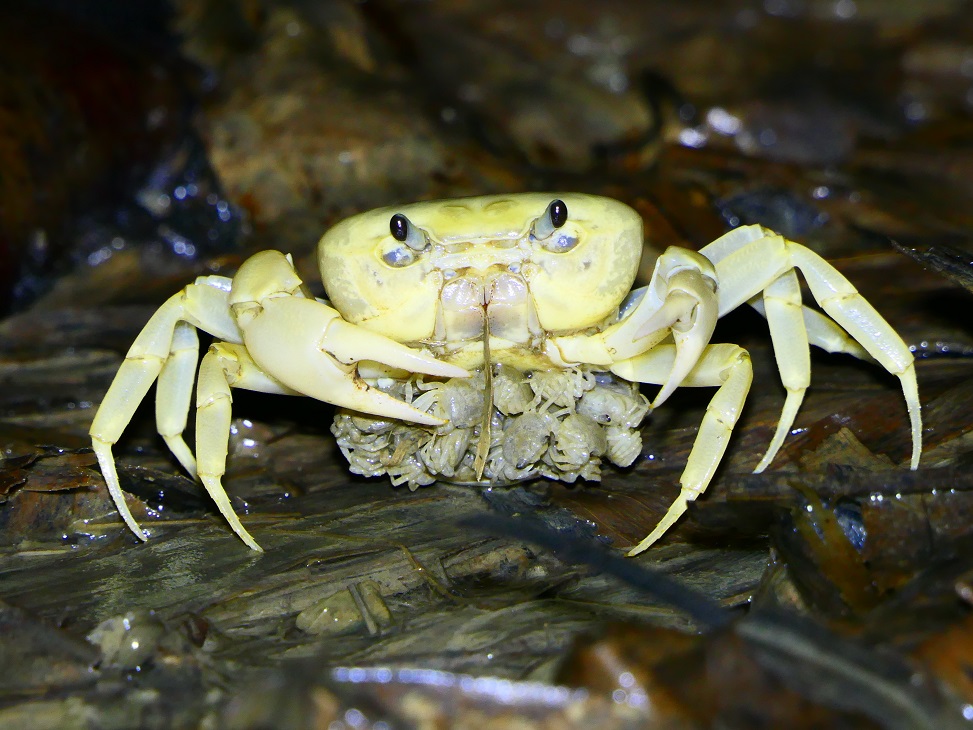
厚圓澤蟹是1994年在台灣被發現的台灣特有種,屬於台灣西南惡地的「大型澤蟹」,棲息於高雄、台南等低海拔的泥岩惡地環境。在大多數地區,這種蟹類的數量稀少,然而在馬頭山地區卻發現了大量的厚圓澤蟹群體。Geothelphusa ancylophallus (hereinafter referred to as the ancylophallus freshwater crab), discovered in 1994, is a species endemic to Taiwan. It is classified as a “large freshwater crab” appearing in the badlands in southeastern Taiwan. They inhabit in the mudstone badland environments at a low elevation in Kaohsiung and Tainan. This species is rarely seen in most areas. However, a large population of ancylophallus freshwater crabs has been found in the Matoushan area.
生活環境 Habitat
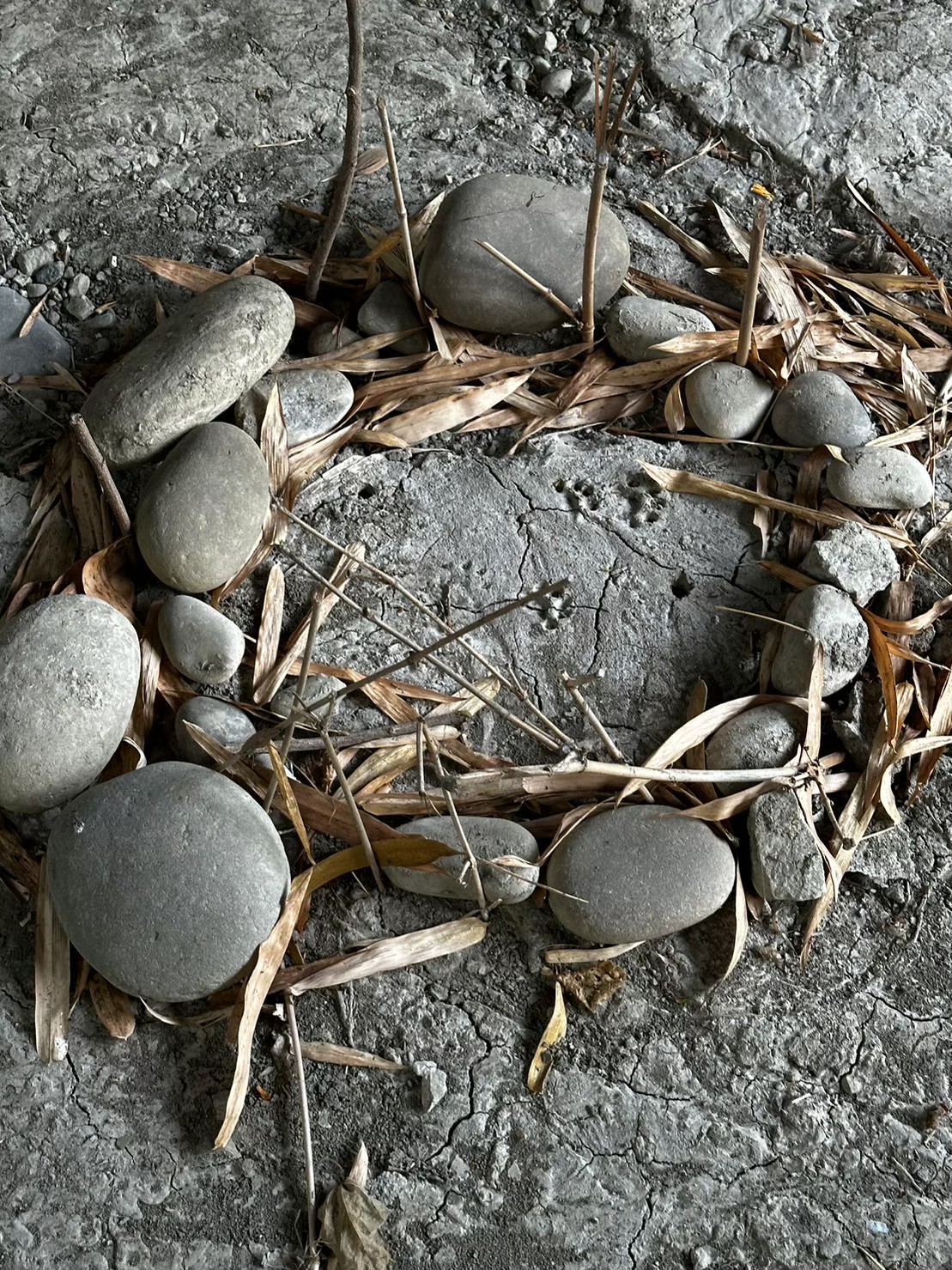
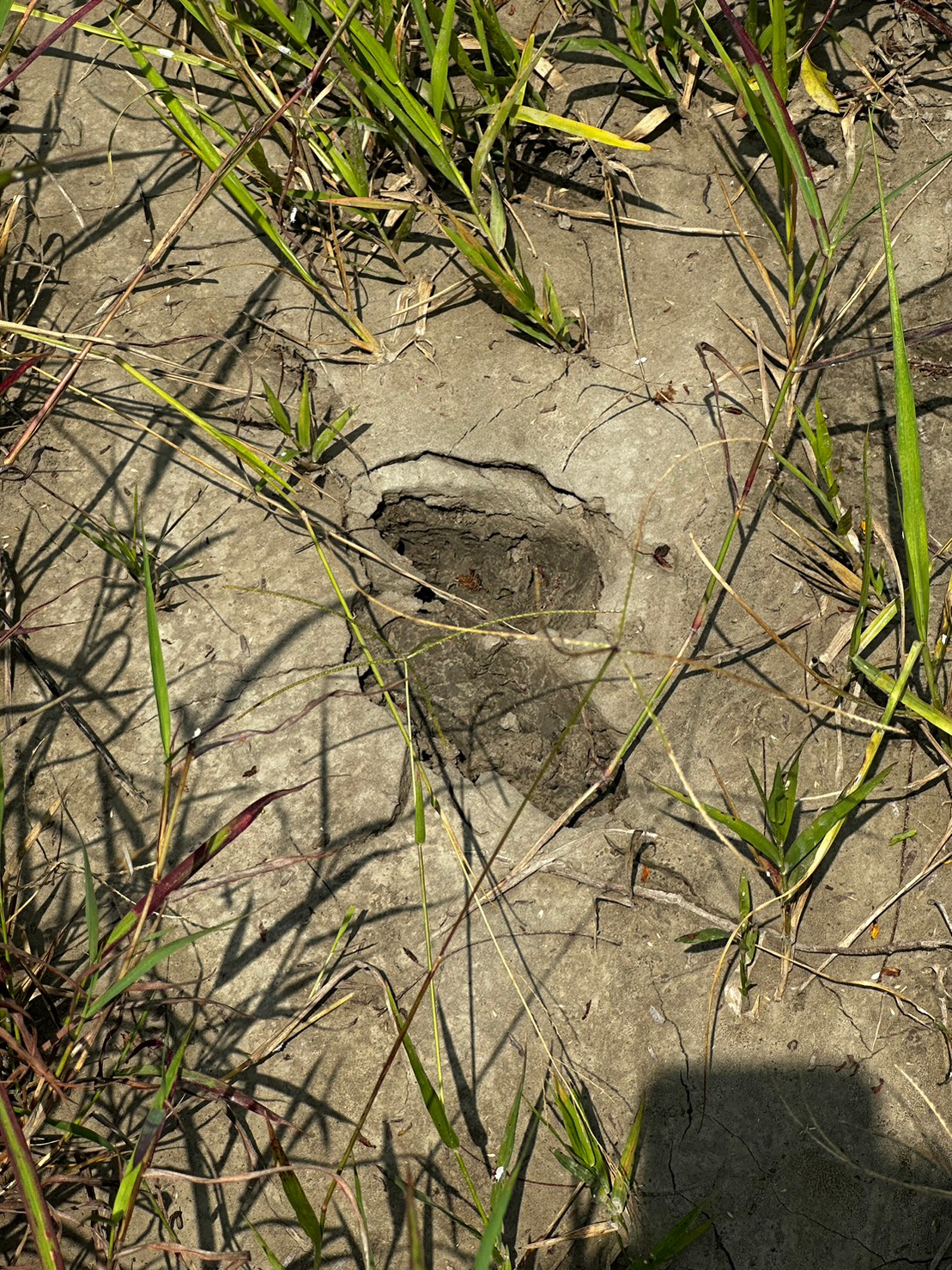
厚圓澤蟹的成蟹主要生活在乾燥的惡地,身體呈灰白色,與周圍的環境顏色相似,這讓牠們在自然環境中擁有極佳的保護色。由於牠們謹慎天性,稍有風吹草動就會迅速躲回洞穴,因此在野外不易被發現。The dry badlands are the main habitats for adult ancylophallus freshwater crabs. Their bodies are greyish-white, similar to the colors of the surroundings. This provides them excellent camouflage in the natural environment. They are quite cautious in nature and swiftly hide themselves back to the burrows at any slight disturbance, so they are not easily spotted in the wild.
繁殖與成長 Reproduction and Growth
根據研究,厚圓澤蟹的母蟹會在乾季末期(2月左右)開始抱卵,到了5月達到高峰,正好趕上雨季的來臨。第一期的澤蟹寶寶在5月孵化,剛好搭上雨季開始。孵化後的澤蟹寶寶不會立即離開澤蟹媽媽獨立生活,澤蟹媽媽會持續抱著寶寶(稱為抱子)待上四天左右,然後寶寶才會離開澤蟹媽媽,離開媽媽的澤蟹寶寶一開始會在潮濕的山溝或是溪流處活動,直到長成成蟹,就會到乾燥水少的惡地生活。Research shows that female ancylophallus freshwater crabs begin to carry eggs towards the end of the dry season (around February) and reach the peak in May, right in time for the upcoming rainy season. The first batch of the baby crabs hatches in May, perfectly greeting the start of the rainy season. The new-born baby crabs do not immediately leave their mother to live independently after hatching. Instead, the mother crabs will continue holding the baby crabs (also called “maternal brooding”) for about four days before baby crabs leave. The baby crabs then move around and inhabit nearby moist gullies or streams until they mature into adults. Afterwards, they will move to dry badlands with less water.
馬頭山厚圓澤蟹的保護 Conservation of the ancylophallus freshwater crabs in Matoushan
雖然厚圓澤蟹在其他地區數量稀少,但馬頭山地區的較大量的族群顯示出這裡保育價值的重要性。厚圓澤蟹的生活習性與其棲息環境密切相關,保護這片獨特的泥岩惡地對於維護厚圓澤蟹的生存至關重要。Ancylophallus freshwater crabs are rarely spotted in other areas while a bigger population has been discovered in Matoushan. This has drawn attention to the values of conservation in this area. The behavioral patterns of the ancylophallus freshwater crabs are closely interconnected with the environments they inhabit. Therefore, it is vital to protect these unique mudstone badlands so as to sustain the survival of the crab species.
如何支持厚圓澤蟹的保育?How to Support the Conservation of the Ancylophallus Freshwater Crabs
減少人為干擾,保護馬頭山和其他惡地的自然環境,以維護厚圓澤蟹及其生態環境。同時進行推廣教育,讓大眾了解馬頭山的自然環境以厚圓澤蟹的生活方式與其重要的生態價值,提高對環境及厚圓澤蟹的保育意識。To help conserve the ancylophallus freshwater crabs and the ecosystem they rely on, we need to reduce human interference and protect the natural environment of Matoushan and other badlands. Besides, it is essential to raise the conservation awareness of the general public by promoting educational programs in relation to the natural environment in Matoushan, the lifestyle of the ancylophallus freshwater crabs and how significant they are to the ecosystem here.
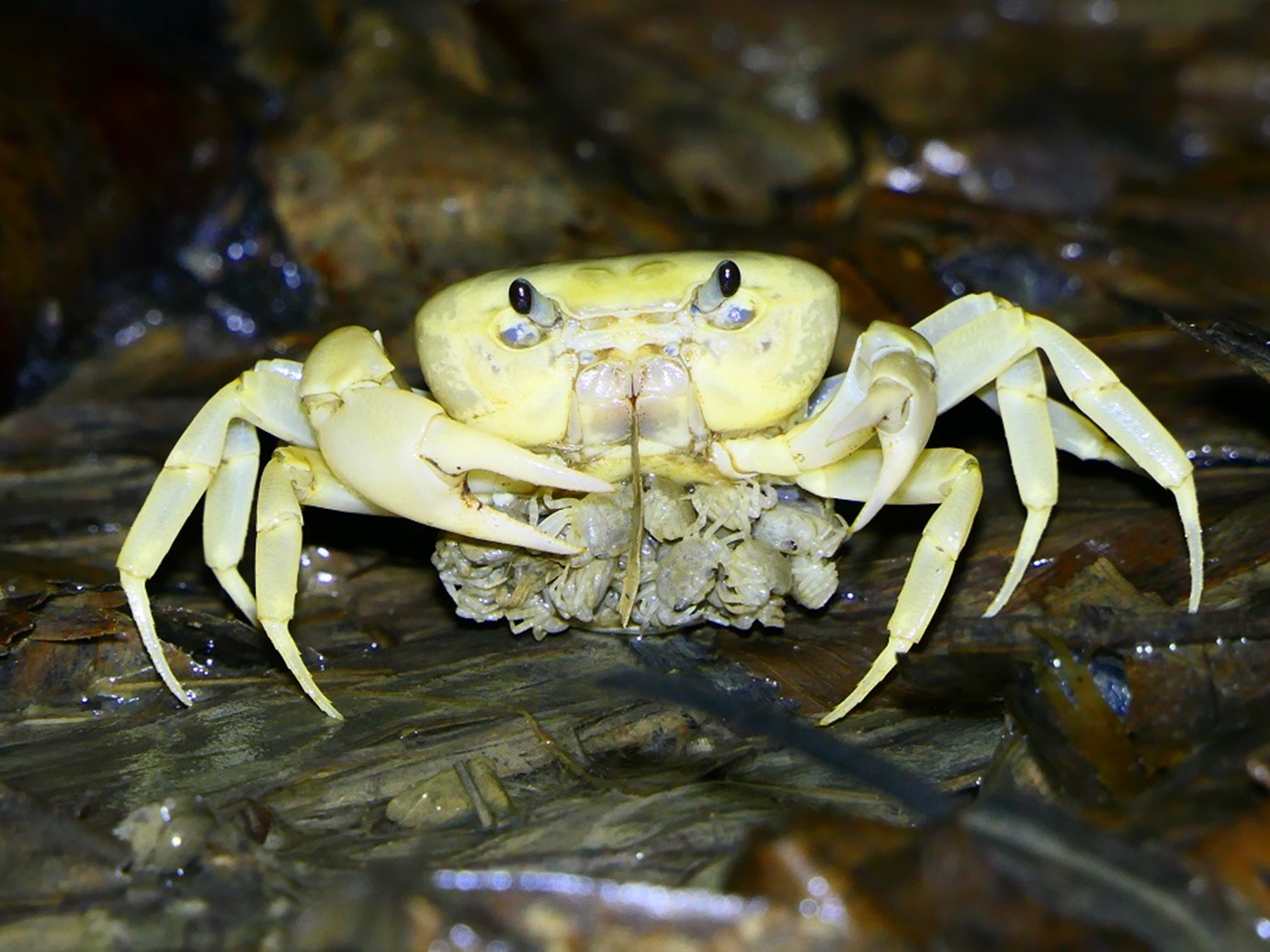
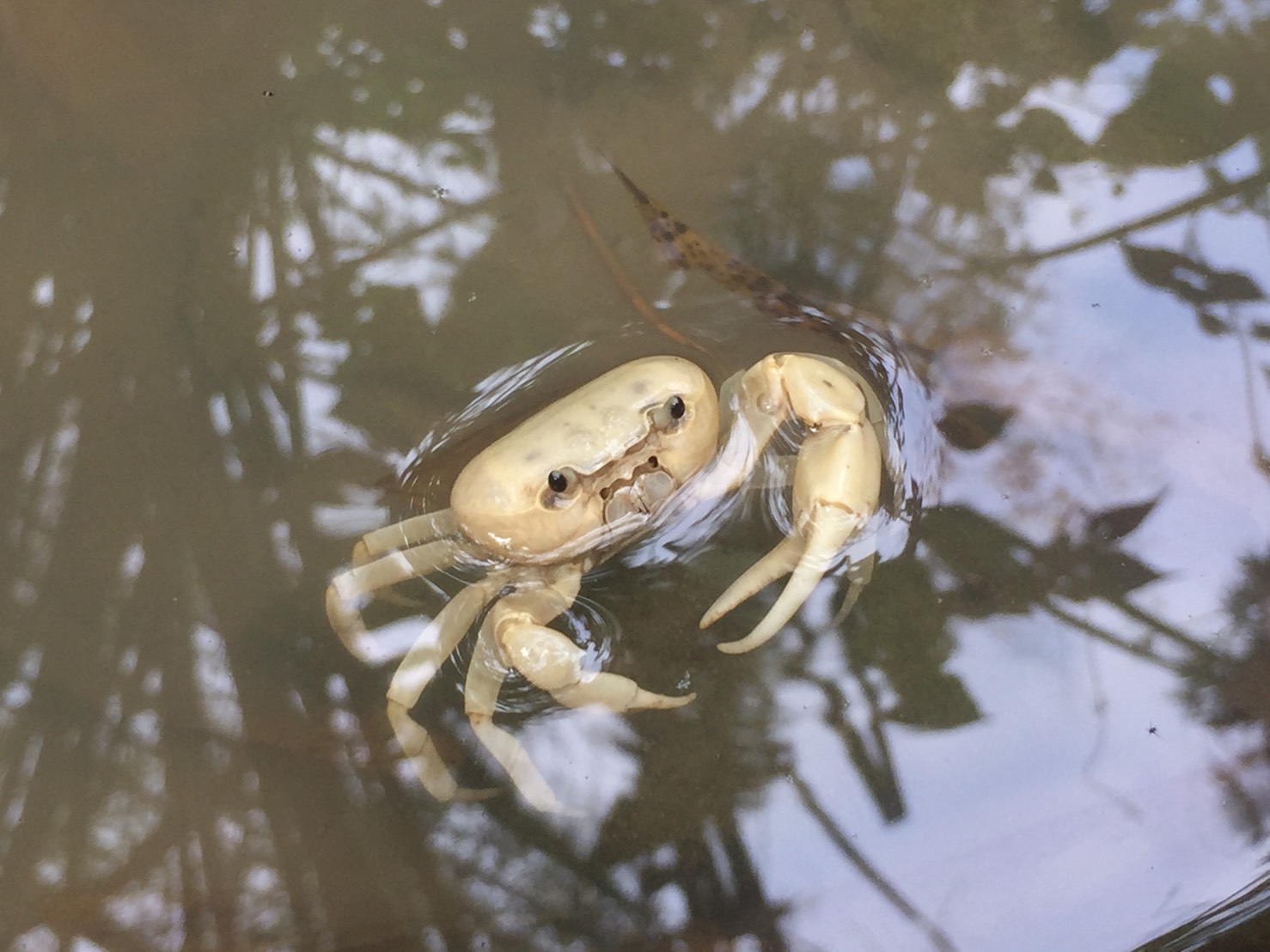
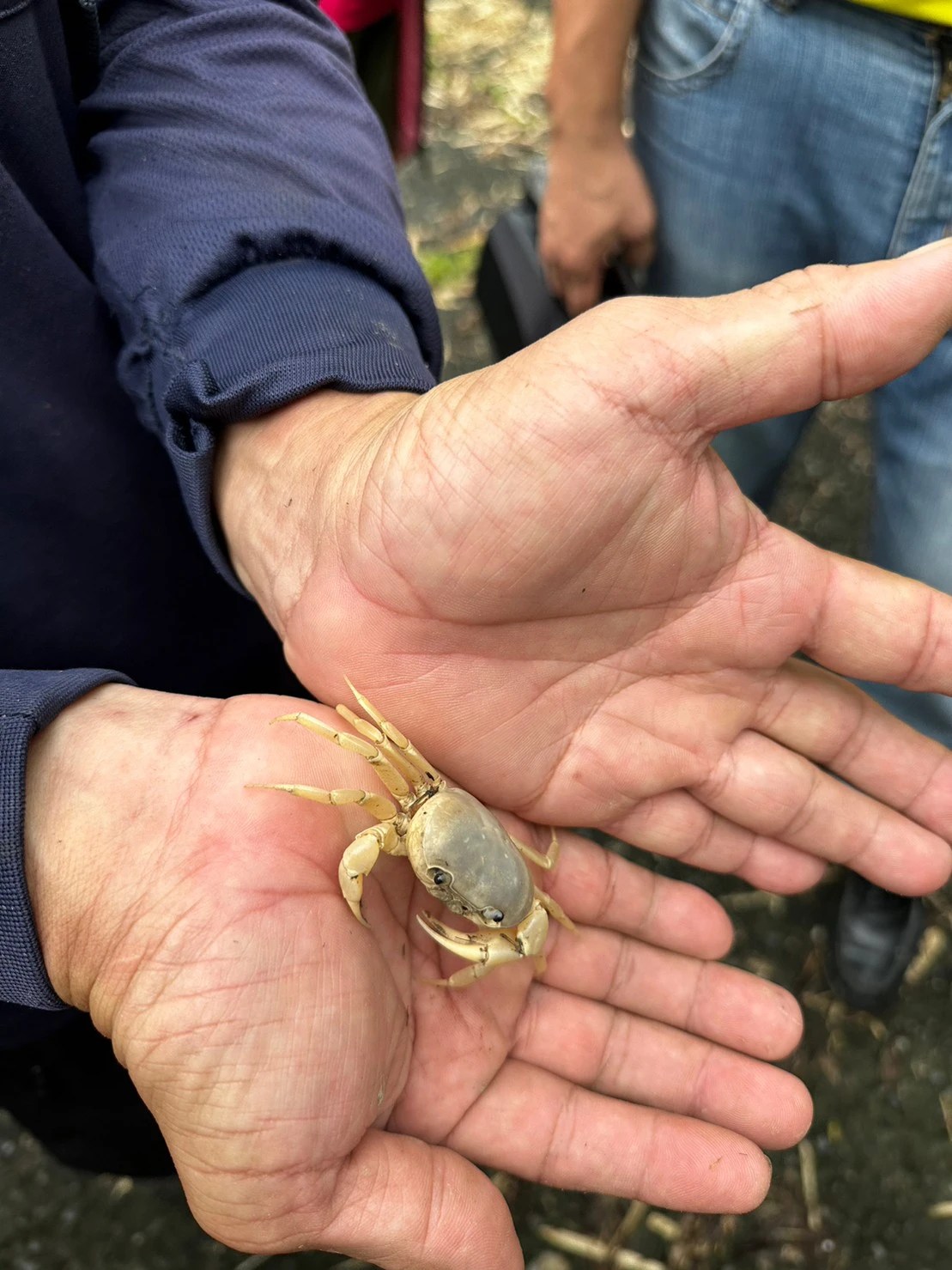
圖片來源:劉烘昌博士提供
參考資料:
柯伶樺(2022),刺竹林帶的生物群像-失落與再發現,臺灣惡地誌,野人文化股份有限公司。
劉烘昌(2018),月世界惡地的奇蹟-厚圓澤蟹,科學人2018年第193期03月號。
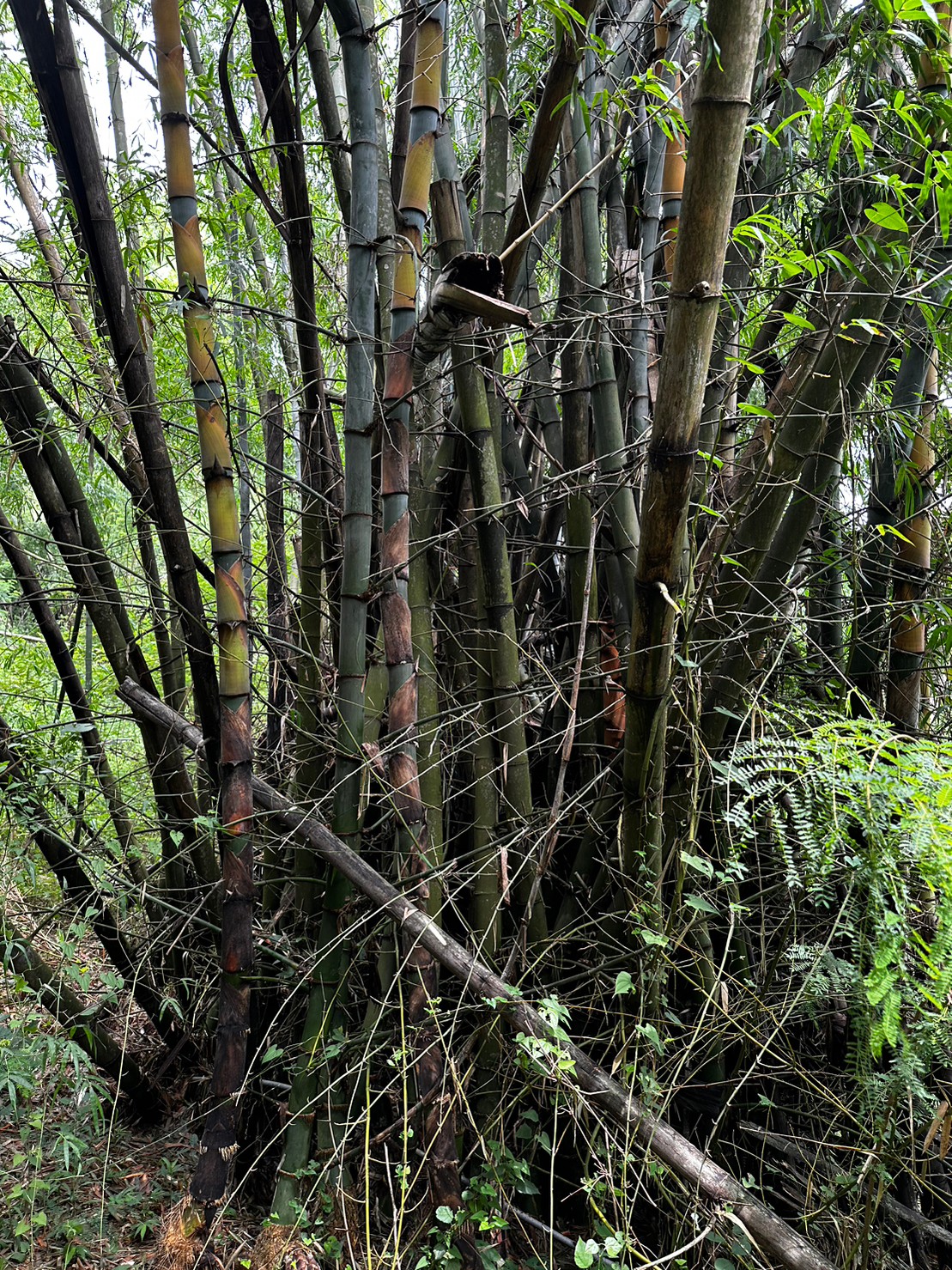
Bambusa Stenostachya Hacke
刺竹
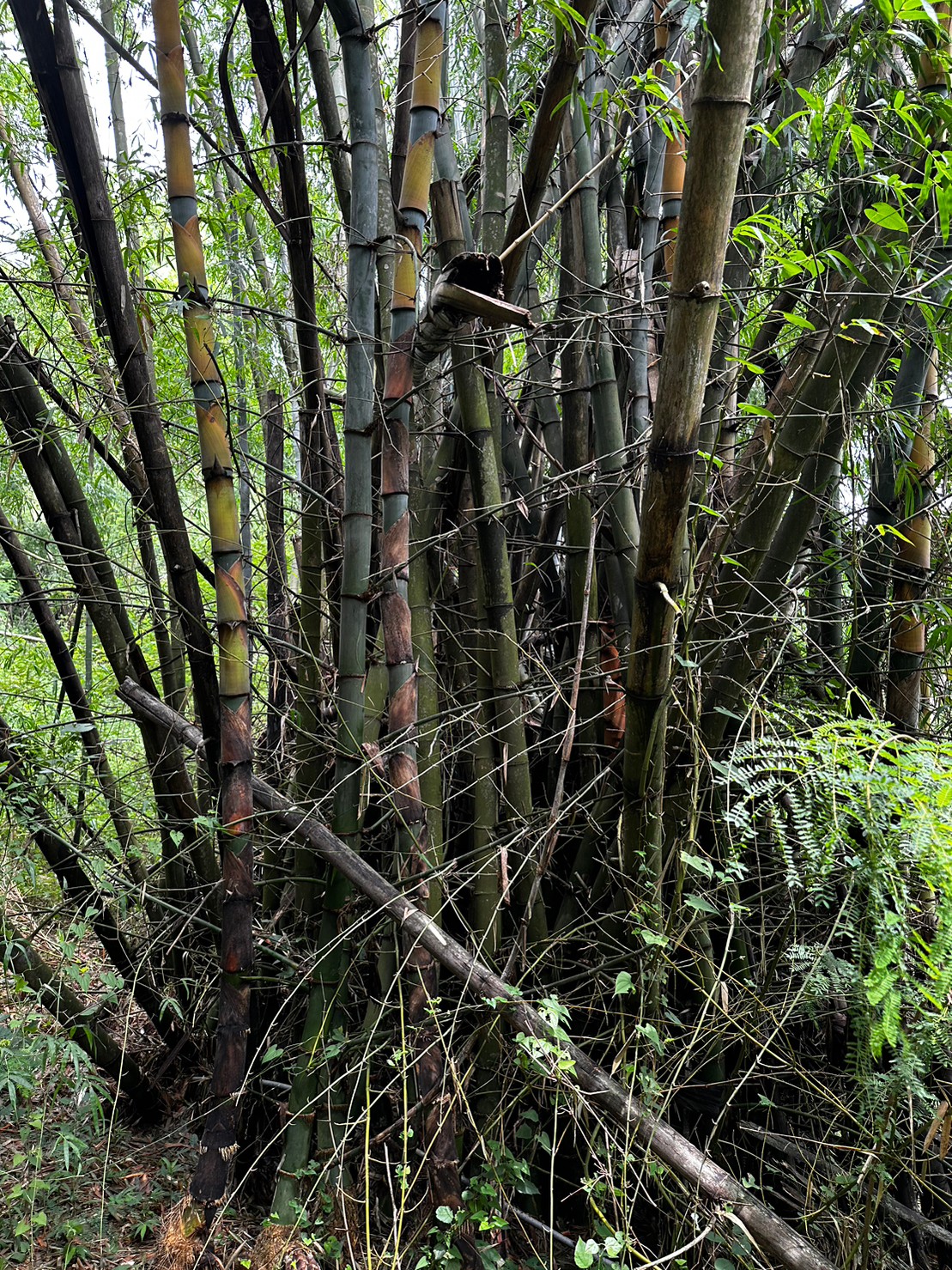
屬於禾本科的蓬萊竹類。刺竹是叢生植物,竹竿可以長到 15 到24 公尺高,莖徑5-15公分,節間長13-35公分,近基部節處環生氣根。

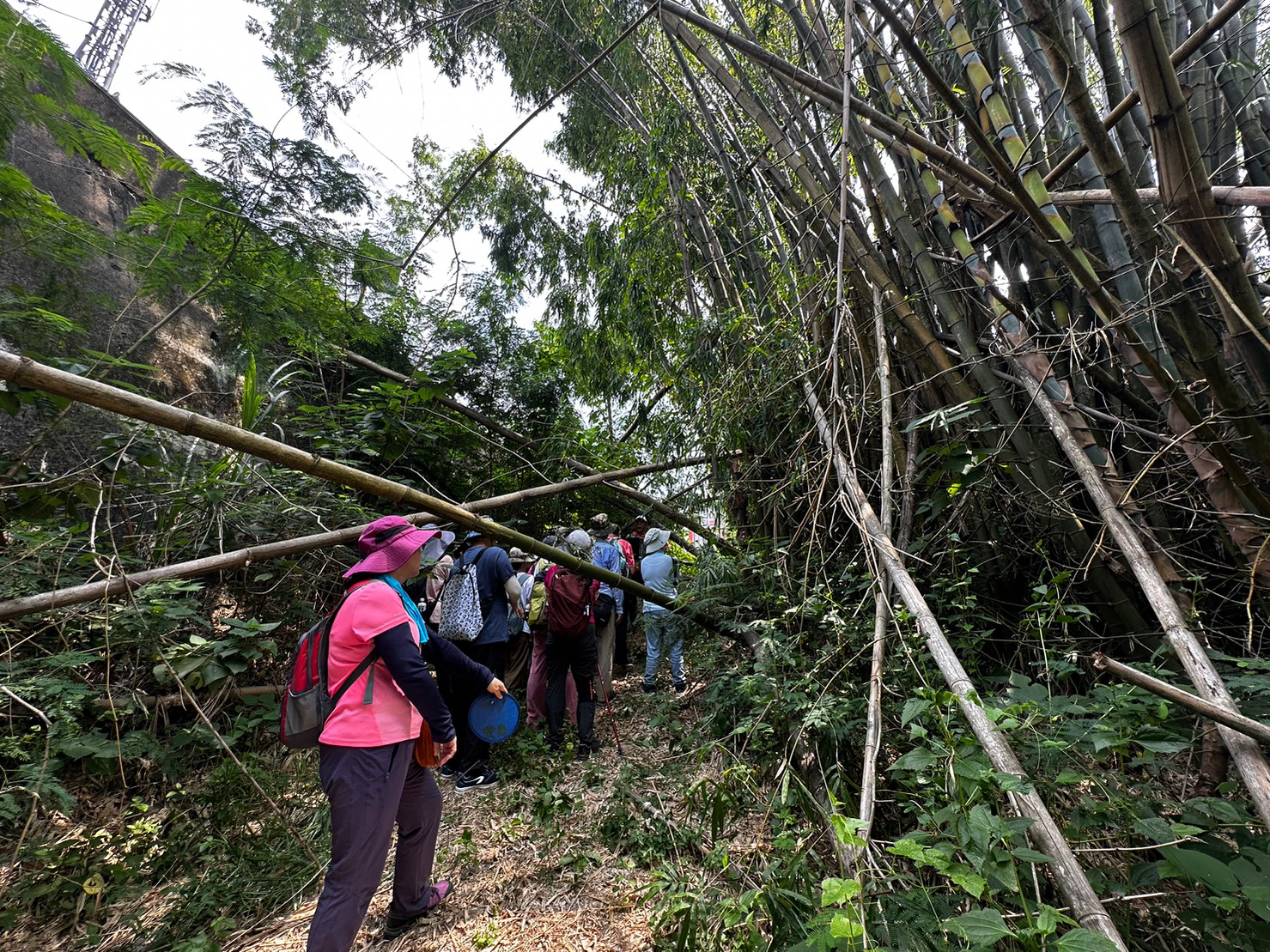
馬頭山的乾燥惡地環境對植物生長極為不利,然而,在緩坡和平緩處,放眼望去,幾乎全部覆蓋著刺竹。刺竹是西南泥岩惡地的優勢植物,在這片特殊的地貌中扮演關鍵角色。Matoushan’s harsh badland environment is highly unfavorable for plant growth. However, as far as we can see, the land is almost entirely covered with thorny bamboo on gentle slopes and flatter areas. Thorny bamboo is the dominant plant on mudstone badlands and plays a critical role in this unique landscape in southwestern Taiwan
刺竹的根系能擴展土壤的孔隙,有助於雨水滲透與鹽鹼物質的沖刷。刺竹的落葉提供了大量有機物質,增加土壤的保水性與通透性,進而改善惡地的土壤條件,使得其他植物能在竹林下生長。隨著刺竹的生長,泥岩區的菌落多樣性也大幅增加,有助於土壤的物質循環機制。刺竹的發達根系能抓緊土壤,有助於防風和水土保持,這使得刺竹常被選作造林植物,在惡地環境中穩固土地。The root system of thorny bamboo expands soil pores. It helps facilitate rainwater infiltration and wash away saline and alkaline substances. The bamboo’s fallen leaves contribute a substantial amount of organic matter and create better water retention and permeability in soil. Therefore, it can further improve the soil conditions of the badland and make it possible for other plants to grow beneath the bamboo forests. As thorny bamboo grows, the colony diversity in the mudstone areas also significantly increases so as to support the cycling of soil substances.
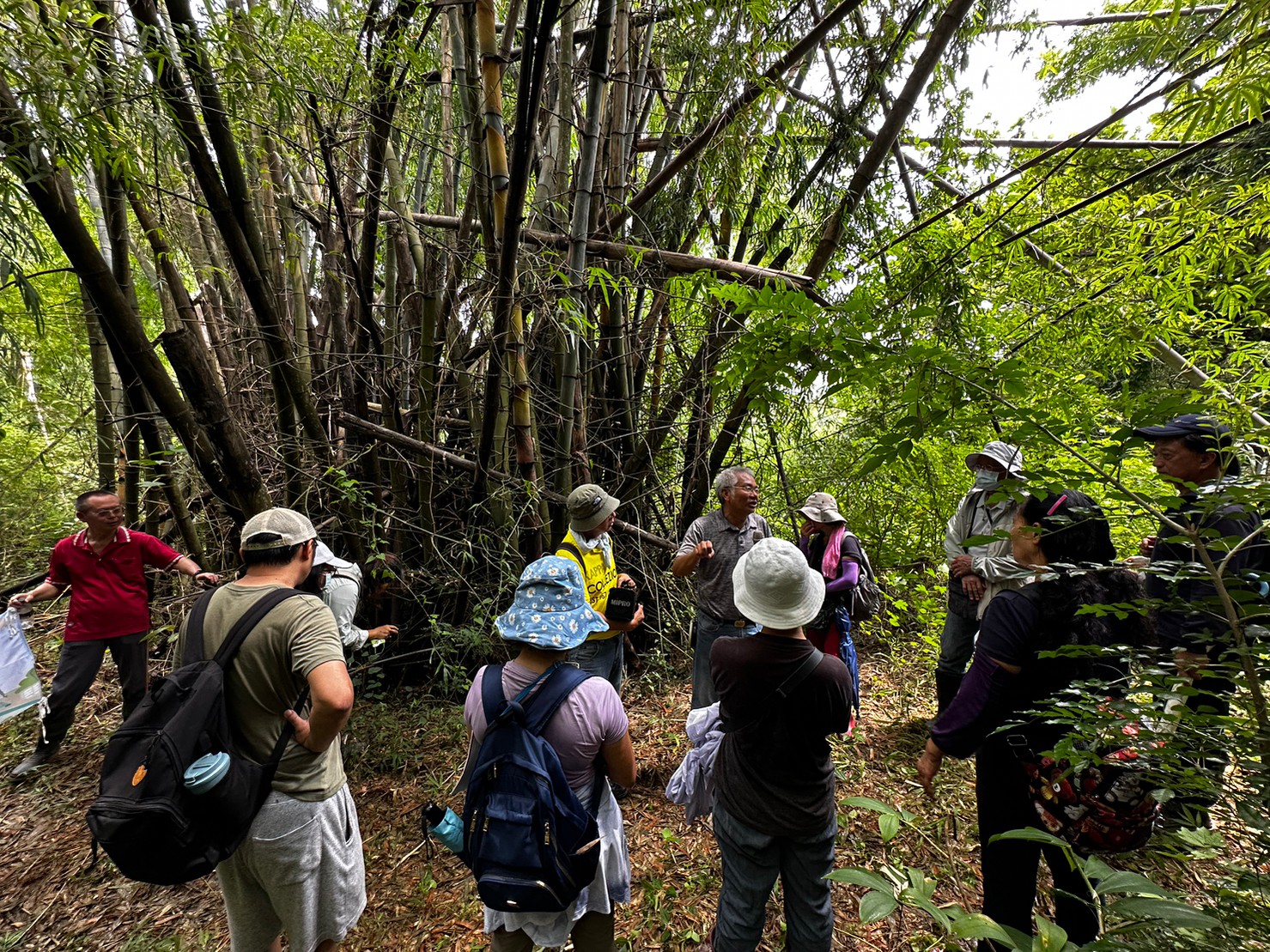
刺竹帶刺長鞭狀枝條圍繞形成的刺網。生態專家劉烘昌博士提到,馬頭山的惡地地形和刺竹是許多野生動物的重要庇護所。由於惡地陡峭的地形使得這裡土地開發價值較低,加上刺竹鋒利的竹刺讓獵人不願意進入,使得馬頭山地區的動物能夠在臺灣動物大滅絕的洪流中幸免於難。而根據國家自然公園管理處 110 年在馬頭山地區的資源調查計畫,其於刺竹林和刺竹混合闊葉林所架設的紅外線自動照相機,拍攝到許多野生動物的蹤影,包括穿山甲、食蟹獴、白鼻心、鼬獾和臺灣野兔等。此外,也發現厚圓澤蟹和竹雞等物種棲息於此,顯示刺竹林和刺竹混合闊葉林是野生動物的重要棲息地,其中還包含了珍稀的保育類動物。此些發現,推翻過往之「大面積刺竹林會導致泥岩地區生態資源減少」的觀點。The densely developed root system of thorny bamboo helps secure the soil, which is beneficial to conserving soil and protecting the land from weathering. No wonder thorny bamboo is often chosen as a preferred plant for reforestation and land stabilization in badland environments. Thorny bamboo’s thorny, whip-like branches create barriers. Dr. Liu Hung-chang, an ecology expert, pointed out that the badland terrain and thorny bamboo of Matoushan formed an important sanctuary for many wildlife species. The steep badland terrain lowered the value of land development here. And the sharp bamboo thorns keep hunters from entering into this place. Thus, the animals in the Matoushan area have had the chance to survive the mass extinction of wildlife in Taiwan. The 2021 Mathoushan Area Resources Survey Project conducted by the National Nature Park Headquarters captured the footprints of many wildlife species by setting up infrared automatic cameras in the thorny bamboo forests and thorny bamboo mixed broadleaf forests. These animals included Formosan pangolins, crab-eating mongooses, masked palm civets, Formosan ferret-badgers, Formosan hares and more. On top of the above, species like freshwater crabs (Geothelphusa ancylophallus) and Taiwan bamboo partridge (Bambusicola sonorivox) were found living in this area. This illustrated that thorny bamboo forests and thorny bamboo mixed broadleaf forests are important habitats for wildlife as well as some rare animals in need of protection. These findings have overturned the perspective that “thorny bamboo forests covering massive areas decrease the resources in the mudstone ecosystem.”
除了對生態保育的重要性,對早期人們而言,刺竹也是重要的自然資源。刺竹的竹刺特徵讓它成為早期防禦工事的絕佳材料。過往住在高雄一帶的馬卡道族會將刺竹種植於聚落附近作為圍牆,以抵禦山賊強盜,族語的刺竹被稱為「Takau」,也是高雄的古名”打狗”。Aside from its importance to ecological conservation, thorny bamboo was also a valuable natural resource for the people at earlier times. Its thorns made it an excellent material used for defensive construction. The Makatao tribe, who once lived in Kaohsiung, grew thorny bamboo around their settlements as walls in order to ward off bandits and robbers. Thorny bamboo is called “Takau" in its tribal language and this term used to be the ancient name of Kaohsiung.
過去,當地居民會利用刺竹製作日常用品,例如竹床、魚筌、扁擔、嬰兒座椅及斗笠等。刺竹也是古時的建材,居民會將刺竹切割成條狀,作為房屋的支撐結構。除了作為建材,刺竹的竹筍也是當地居民的食物來源,裡內寄生的臺灣大象鼻蟲(筍龜)甚至成為居民的點心。In the past, local residents used thorny bamboo to produce daily necessities, such as bamboo beds, fish traps, shoulder poles, baby seats, and bamboo hats. Thorny bamboo was also a traditional material for building. The residents would cut thorny bamboo into strips and use them to support house structures. In addition to being used as a construction material, bamboo shoots also served as a food source for local residents. What’s more, the Taiwanese bamboo shoot weevils found inside even became the residents’ nibbles.
刺竹在當地的竹產業發展中扮演重要角色,過去在香蕉大量外銷的時代,當地的竹擔和竹簍都是以刺竹編製而成,用來運送香蕉,支撐了當地經濟。刺竹同時也是用於二仁溪流竹文化的材料,為茄萣一帶的人家提供蚵架使用。刺竹不僅是馬頭山地區生態系中的重要植物,也是當地居民生活中不可或缺的資源,承載著這片土地的歷史和文化智慧。Thorny bamboo played an essential role in the development of local bamboo industry. During the time when Taiwan greeted mass export of bananas, bamboo shoulder poles and baskets made of thorny bamboo by the locals were used for delivering bananas and further supported growth of local economy. Thorny bamboo was also used as a material in the bamboo culture developed along the Er-ren River. The residents living in the neighborhood of Chiehding used it to construct oyster racks. Thorny bamboo is not only an important plant in the Matoushan ecosystem but also an indispensable resource for the local residents in their daily lives. It bears the wisdom of this land, both historically and culturally.
資料來源:
1. 國家自然公園管理處(2021)。馬頭山地區資源調查計畫成果報告書。
2. 高雄市內南社區發展協會所整理的在地特色植物目錄。
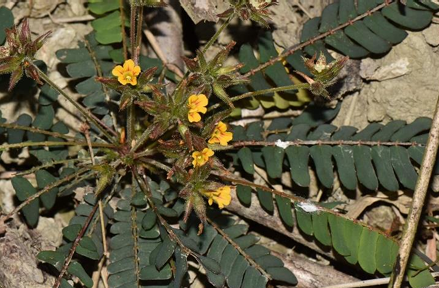
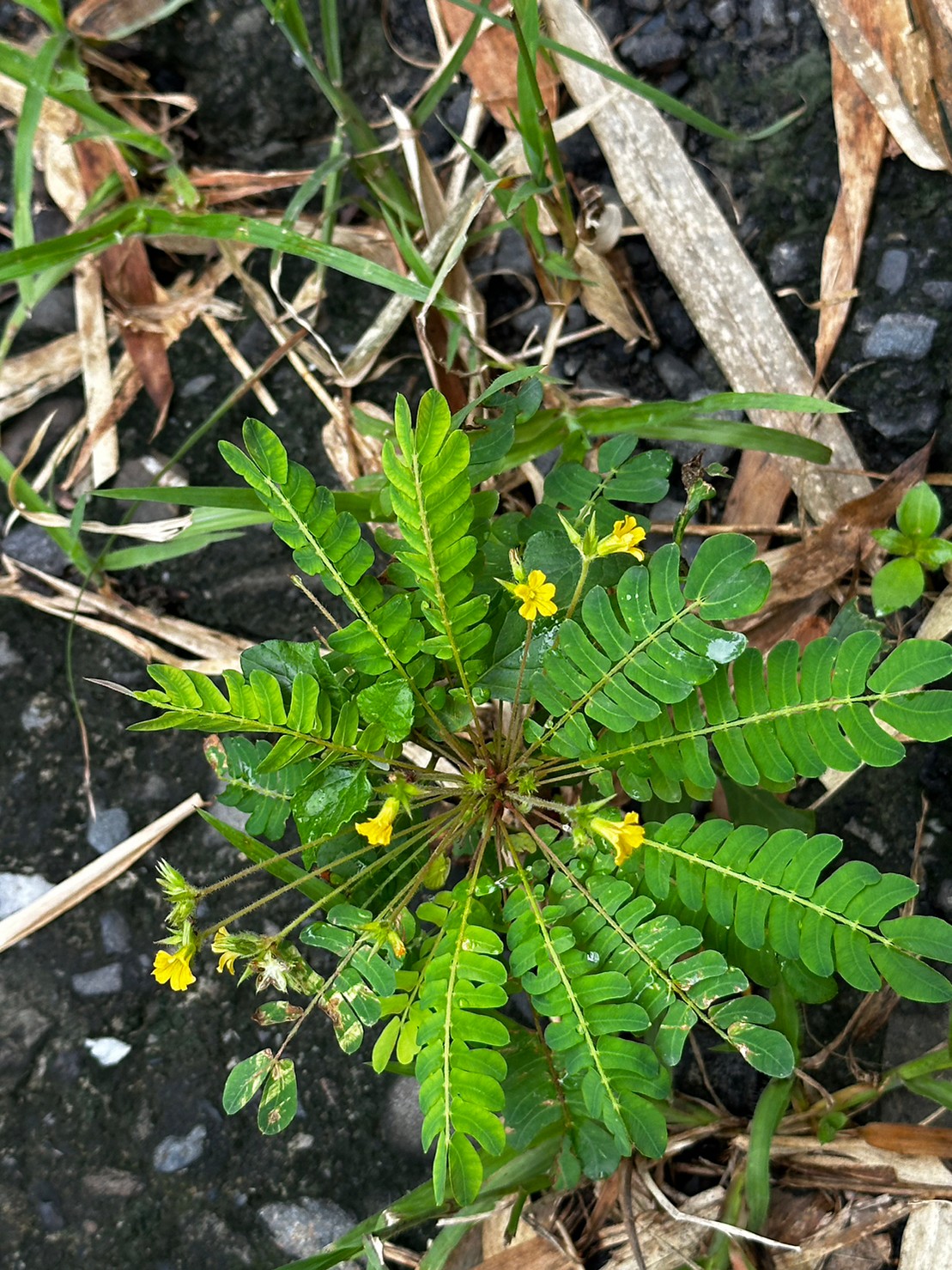
Biophytum Sensitivum
羞禮花
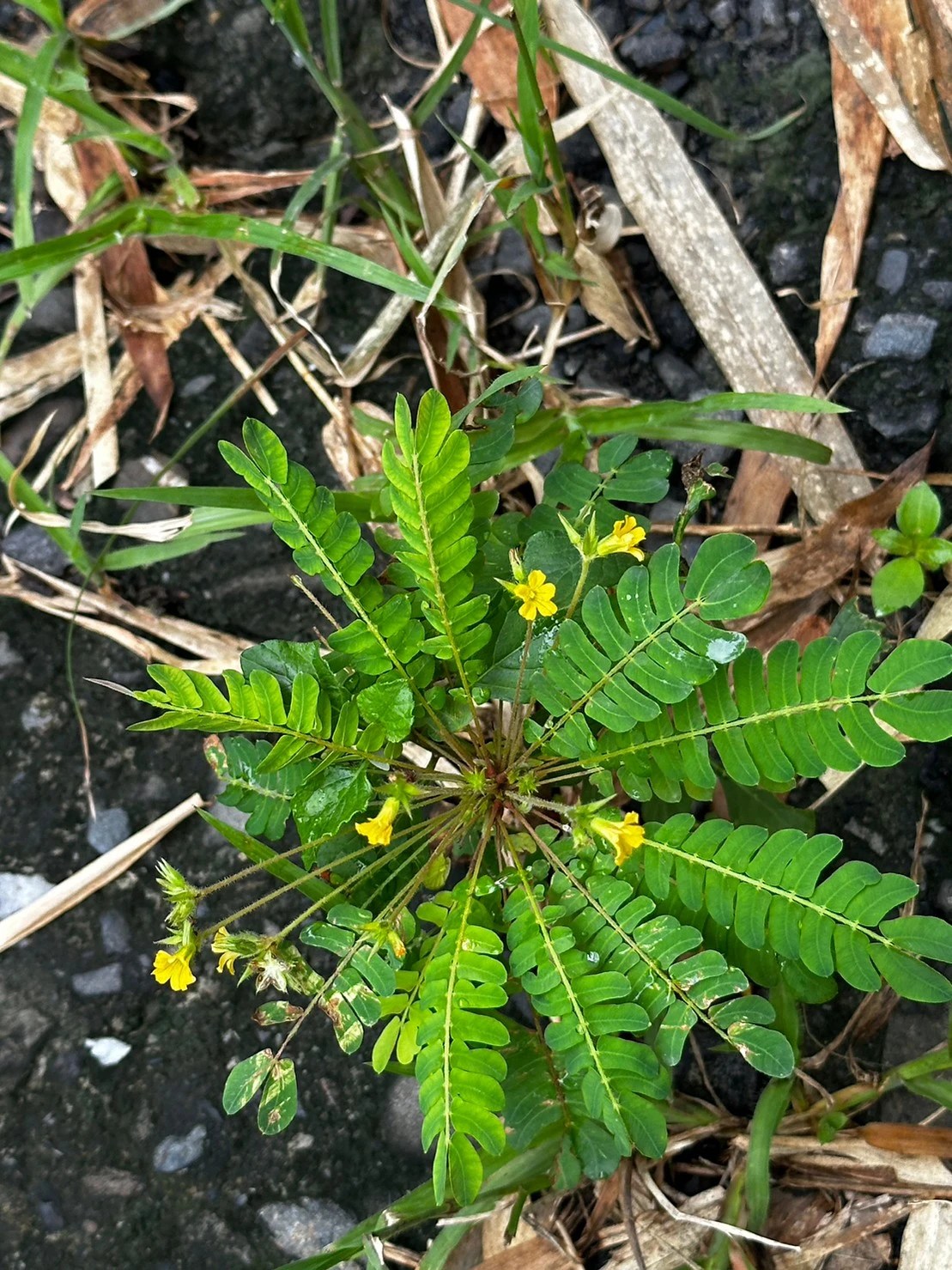
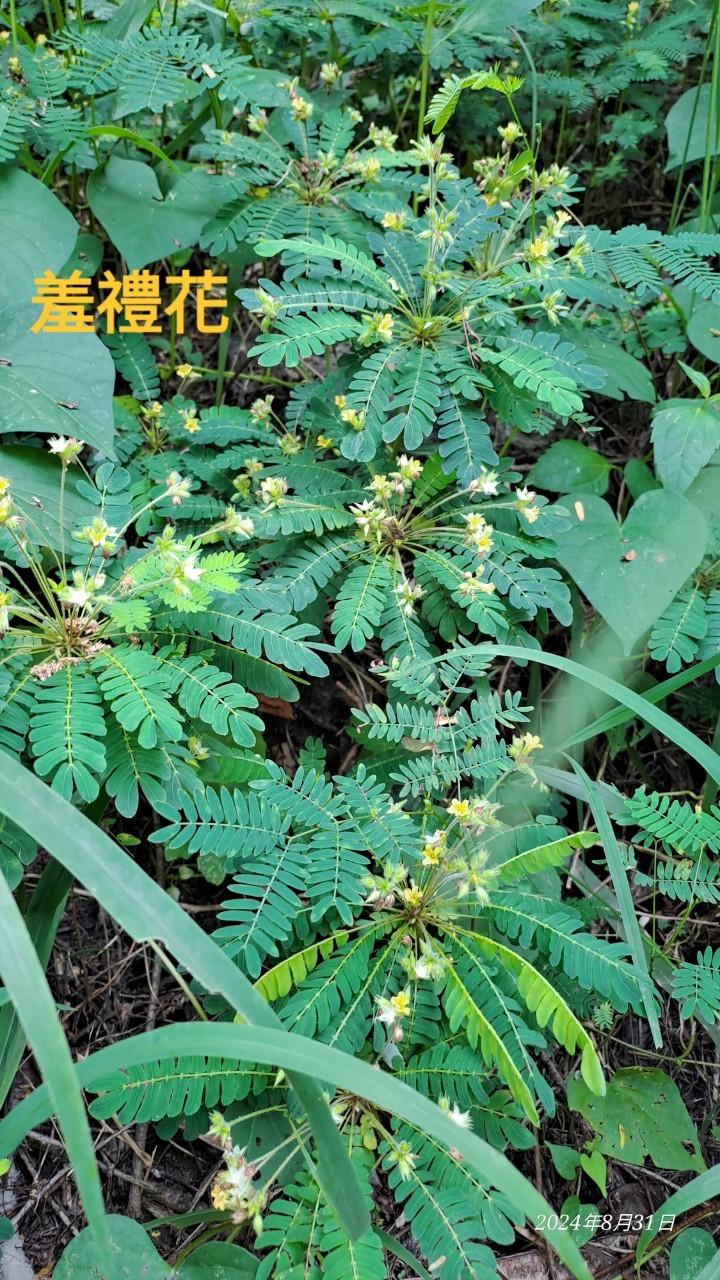
全株高約 10 到 20 公分,形狀像小棕櫚。
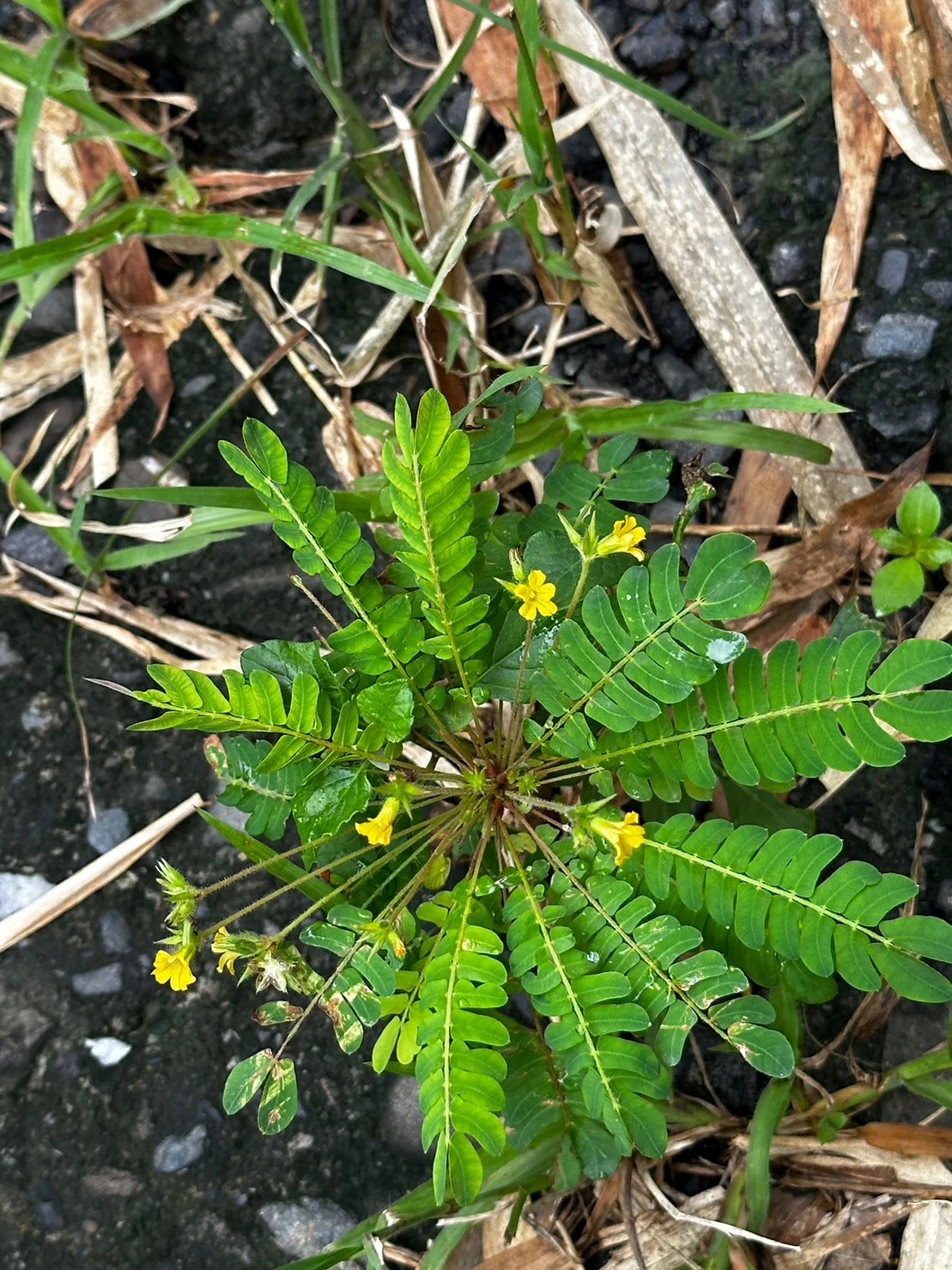
羞禮花,學名為 **Biophytum Sensitivum** (L.) DC.,屬於酢漿草科植物。它的小葉在受到碰觸時會閉合並下垂,因此得名「羞禮花」。這個植物的屬名 Biophytum 意思是「活的草」,而種名Sensitivum則代表對刺激敏感,這些名稱都反映了羞禮花的特性。Sensitive Plant, scientifically known as Biophytum sensitivum (L.) DC., belongs to the Oxalidaceae family. Its small leaflets fold inward and droop while being touched and that’s why it is named Sensitive Plant (“Hsiuli means shy in Chinese). The genus name Biophytum stands for “living herb," while the species name sensitivum refers to its sensitivity to stimuli. These terms directly reflect the plant’s characteristics.
羞禮花是馬頭山地區常見的地被草本植物,在地居民還稱它為「破雨傘」。過去常被作為青草茶的材料,有清涼、退火和消暑的功效。Sensitive Plant is a ground cover herbaceous plant commonly seen in the Matousan area. The local residents nickname it “broken umbrella." In the past, it was used as an ingredient in a traditional Chinese herbal tea called “Chingtsao Tea”, known for its cooling, heat-reducing, and refreshing effects.
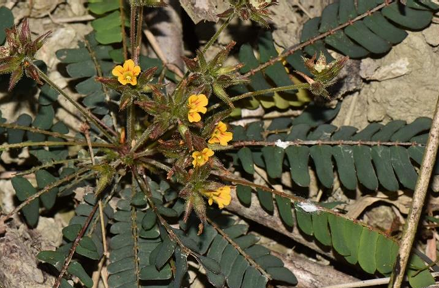
這種植物全株高約 10 到 20 公分,形狀像小棕櫚。它的莖上有許多細毛,葉子成簇地生長在莖頂端,長度約 6 到 9 公分,為羽狀複葉。小葉成對生長,數量約 18 到 30 片,呈歪長橢圓形,幾乎沒有葉柄。葉柄基部膨大,並有腺毛。羞禮花的花序有長長的花梗,約 12 公分,開黃色小花,每朵花有五片花瓣。果實表面有腺毛,成熟後會裂開成五個部分,像五芒星一樣,並將小種子彈出。This plant generally grows to about 10 to 20 centimeters tall and looks like a mini palm. Its stem is covered with fine hairs. Its pinnate compound leaves, which measure about 6 to 9 centimeters long, cluster at the top of the stem. The leaflets grow in pairs, with 18 to 30 of them. They are non-parallel oval in shape and almost without a leaf stalk. The base of the leaf stalk is swollen with glandular trichomes. Sensitive Plant has long flower stalks, measuring about 12 centimeters. It has little yellow flowers with five petals of each. There is glandular hair on its fruit, which splits into five sections when mature and spreads out small star-like seeds.
資料來源:
1. 國家自然公園管理處(2021)。馬頭山地區資源調查計畫成果報告書。
2. 高雄市內南社區發展協會所整理的在地特色植物目錄。
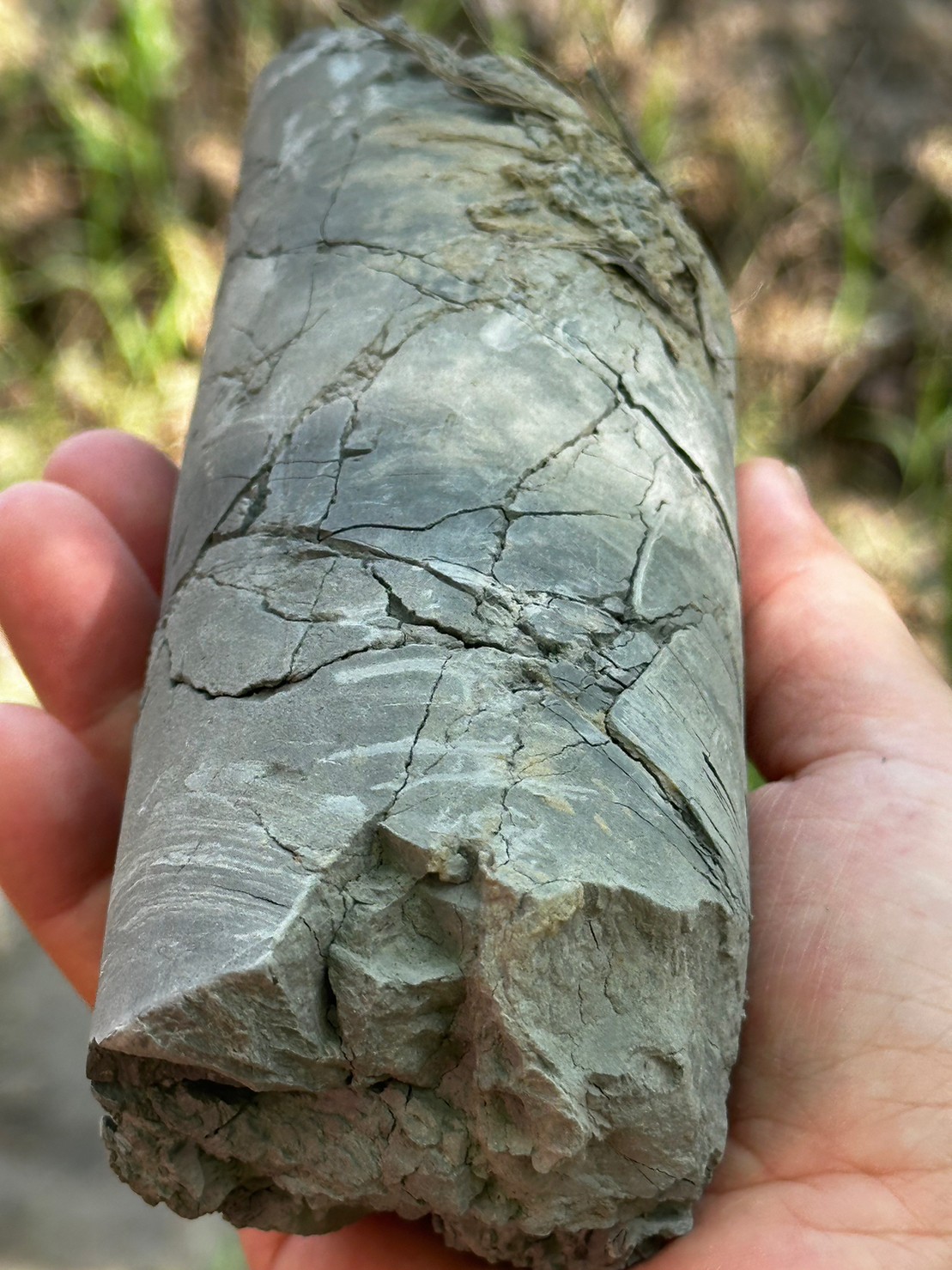
依據馬文山(2016)之地質區分,馬頭山地區屬於西部麓山帶地質區南段,地層年代為漸新世至晚更新世。依據中央地質調查所地質圖,本區域的地層主要為古亭坑層。陳文山,2016)指出該層岩性為厚層泥岩,夾薄層暴風砂,泥岩含厚1~10mm條文狀法砂層,為暴風堆積之懸浮沉積物,沉積物環境屬於外遠濱帶環境。According to the geological classification described by Chen Wen-shan (2016), Matoushan is situated in the south of the western foothills belt in Taiwan. Its stratigraphic epoch started from the Oligocene to the late pleistocene. The geological map from the Central Geological Survey showed that the stratigraphy of this area is primarily composed of the Gutingkeng Formation. Chen Wen-shan (2016) pointed out that this formation consists of thick mudstone layers interbedded with thin storm-deposited sand layers. The mudstone contains 1~10 mm thick striped sand layers, representing suspended sediments from storm events. This depositional environment is classified as an outer offshore zone.
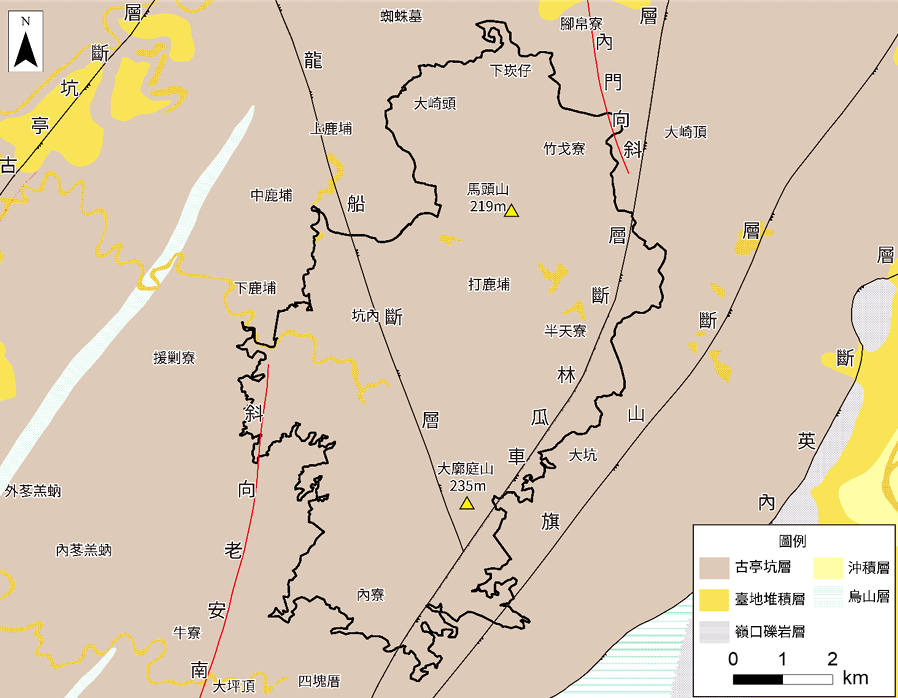
資料來源:國家自然公園管理處110年馬頭山地區資源調查報告
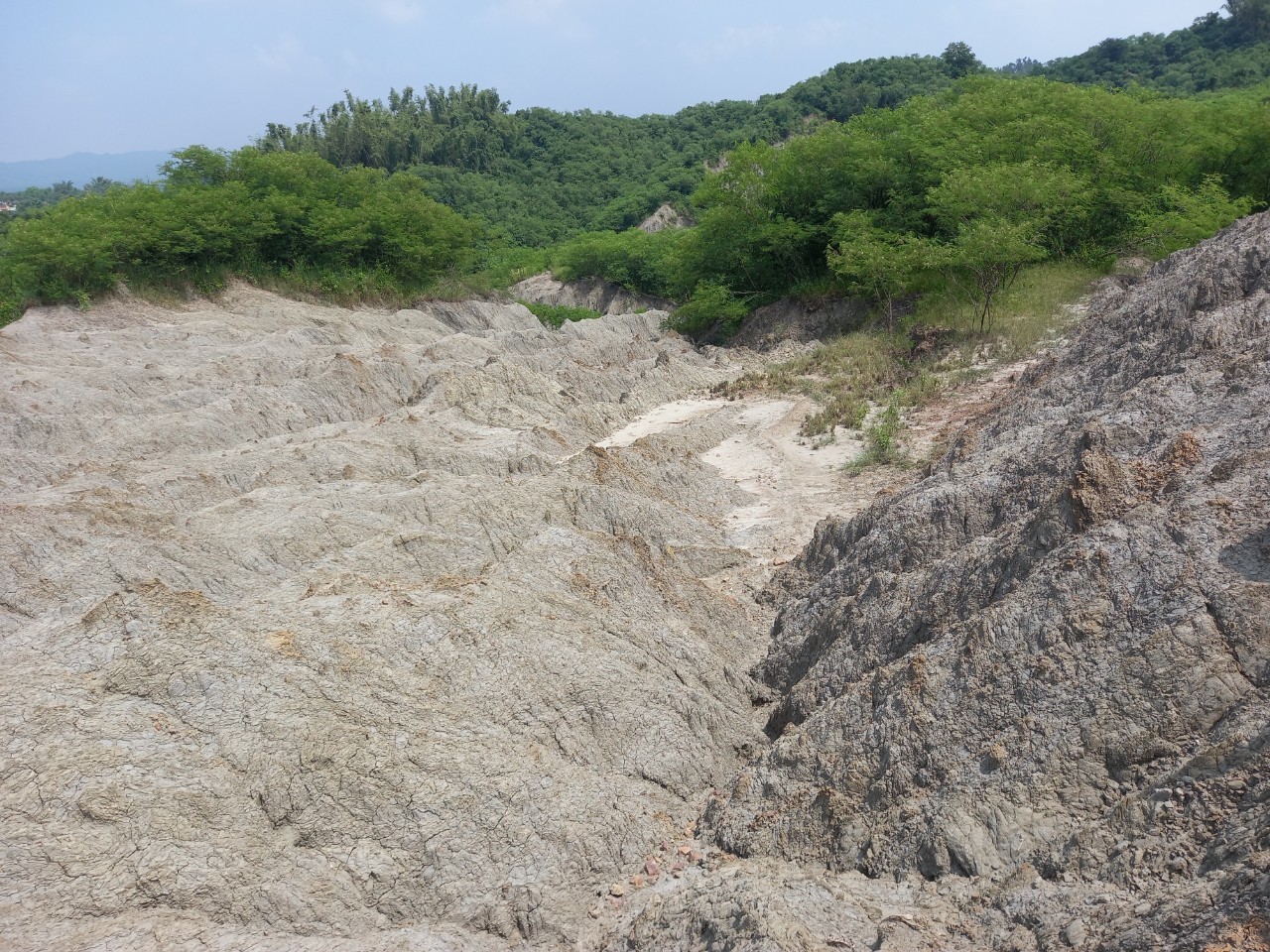
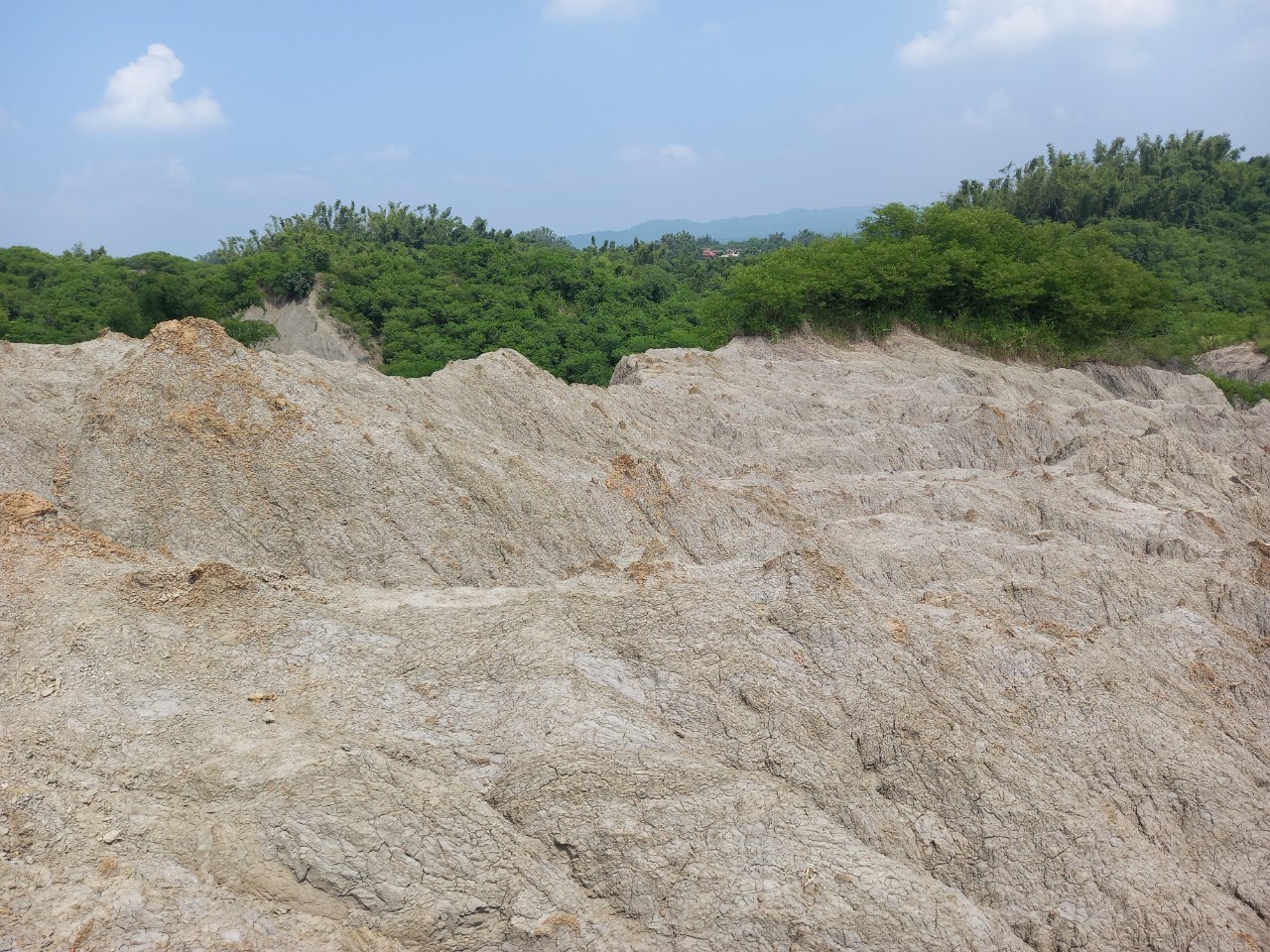
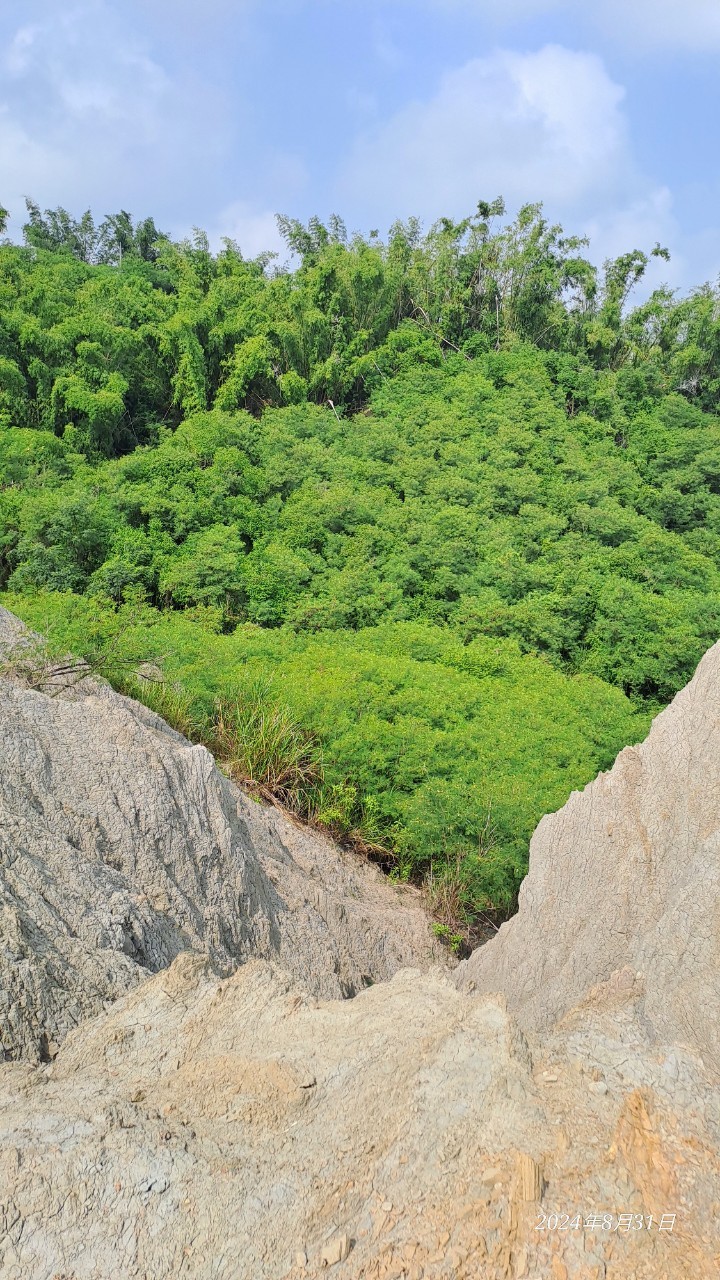
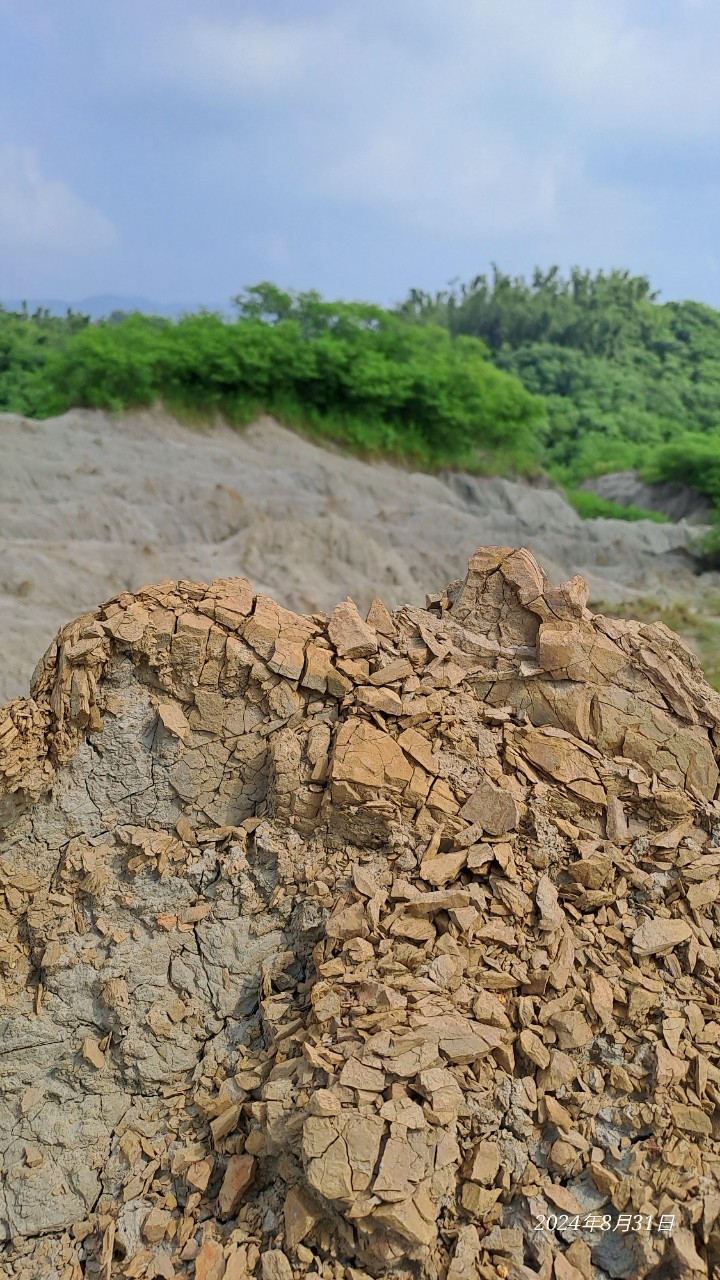
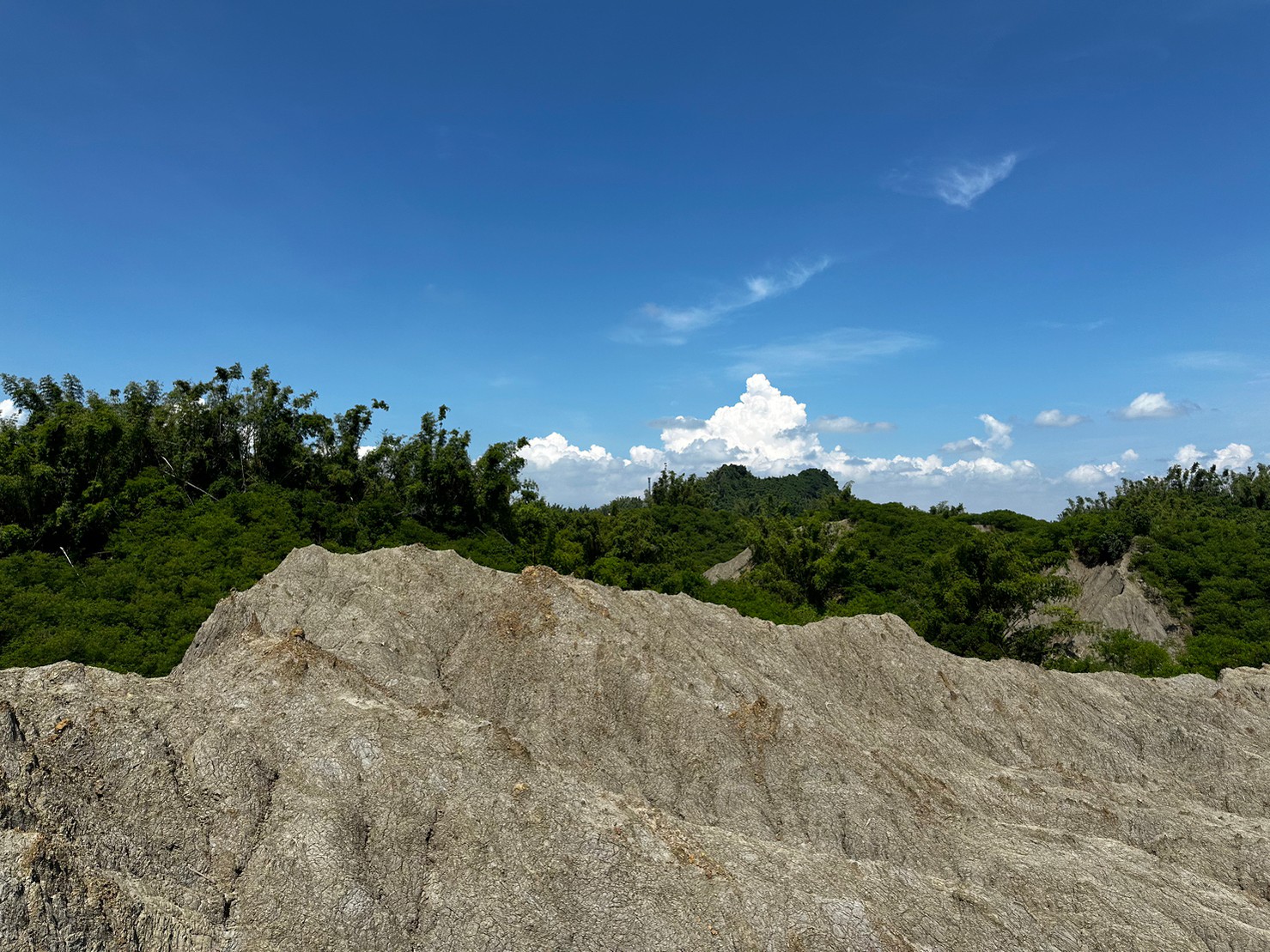
馬頭山地區的泥岩形成於數百萬年前,當時這一地區仍位於海底,經過長時間的「海相沉積作用」,形成了富含黏土和有機物的沉積岩。隨著地殼運動,這些沉積層被抬升至地表,經過數百萬年的風化與侵蝕,最終形成如今的泥岩惡地。其主要地質特徵是「泥岩惡地」,這是該區域最具代表性的自然景觀。泥岩由鬆軟的泥質岩石組成,富含「黏土礦物」,因而極易受到風化和水蝕作用的影響,形成乾燥且極具侵蝕性的地貌。由於土壤結構不穩定,雨水很容易沖刷表層,形成許多深谷和峽谷。The mudstone in the Matoushan area was formed millions of years ago when this region was still under the sea. Long-term “marine sedimentation" led to the development of the sedimentary rocks rich in clay and organic matter. The tectonic movements uplifted these sedimentary layers to the surface, and over millions of years of weathering and erosion, eventually formed the mudstone badland we see today. The “mudstone badland" marking the geological feature is the most iconic natural landscape of this area. Mudstone is composed of soft and loose argillaceous rock rich in clay minerals, which is highly susceptible to weathering and water erosion. Thus, this texture resulted in dry and intensely eroded landforms. Because of the unstable soil structure, rainwater easily washes away the surface layer, creating numerous deep valleys and gorges.
這片泥岩惡地以其崎嶇不平、乾燥貧瘠的土壤聞名,此外,泥岩地層非常容易發生「水土流失」。當雨水滲入土壤時,泥岩吸水膨脹,使地層變得更加鬆散,導致土壤崩塌。尤其在颱風季節,雨水沖刷形成新的溝壑和侵蝕痕跡,使得地形不斷變化。這種地貌是風化和水蝕作用下形成的結果,為台灣特有的地質景觀。This mudstone badland is commonly known for its rugged, dry, and barren soil. Moreover, the mudstone strata are highly prone to “soil erosion." When rainwater infiltrates the soil, the mudstone expands as it absorbs water. Consequently, this situation makes the strata looser, which inevitably triggers soil collapse. During the typhoon season, in particular, rainwater scours the surface and creates new gullies and erosion marks, constantly reshaping the landscape. This terrain is a result of weathering and water erosion. And this is why we can see such a unique geological landscape here in Taiwan.
林啟文(2013)指出於臺灣西南部之古亭坑層上,有出露一厚層砂岩或砂泥岩互層、偶夾礫岩與泥岩之透鏡體,分別為:龍船透鏡體、雞南山透鏡體。龍船山透鏡體位於臺 南市左鎮區,為臺南、高雄之交界;雞南山透鏡體則位於高雄市燕巢區崎溜山,其出露於燕巢地區。於古亭坑層上岩性雖然以厚層泥岩為主,仍於區域內仍可觀察到砂岩、砂泥岩互層、偶夾礫岩與泥岩之現象存在。馬頭山及馬槽位置亦可觀察到砂岩岩塊及砂岩偶夾礫岩,與龍船山、雞南山相同,馬頭山及馬槽也屬透鏡體,其中又以馬頭山透鏡體較大。而因為砂岩透水性相較於泥岩較佳,因此有機會將降水至地表水儲存起來。於馬頭山部分砂岩仍還有緩緩持續滲出水分。Lin Chi-wen (2013) recorded that in southwestern Taiwan, there are thick layers of sandstone or interbedded layers of sandstone and mudstone outcropping the Gutingkeng Formation, within which conglomerate and mudstone lentils identified as Longchuan and Chinanshan lentils are observed. Longchuan lentils are located in Tsuochen District across the border between Tainan and Kaohsiung while Chinanshan lentils outcrop at Chiliushan in Yenchao District, Kaohsiung. Though the Gutingkeng Formation is mainly composed of argillite, geological features including sandstone, interbedded layers of sandstone and mudstone as well as layers occasionally containing conglomerate and mudstone can still be found. At Matoushan and Matsao, rocks of sandstone and sandstone interbedded with conglomerate are visible. Similar to Longchuan and Chinanshan, the Matoushan and Matsao areas also contain lentils, with the Matoushan lentils being larger. Meanwhile, sandstone presents greater permeability than mudstone so it is more likely to store rainwater as surface water. Water continuously and slowly seeps out from the sandstone layers in Matoushan over time.
馬頭山山頭屬於較堅硬的砂岩,而周圍地層是比較軟弱的頁岩和泥岩,因此馬頭山為不屬於當地岩性的外來岩塊。在岩性軟硬不同的差異侵蝕下,砂岩獨立突出形成特殊的山形,頁岩和泥岩形成低緩的丘陵地。The mountain top of Matoushan is composed of relatively hard sandstone with the surrounding strata formed by softer shale and mudstone. Hence, Matoushan is thought to be an extraneous rock formation that is not consistent with the local lithological characters. Due to the differences in erosion between the harder sandstone and the softer rock types, the sandstone stands out and forms a distinctive mountain shape. On the other hand, the shale and mudstone create low and gentle hills in the area.
在頁岩或泥岩地層混雜著岩性不同的巨大砂岩體,這種沉積現象類似於混同作用,即泥質沉積物中混雜許多當地和外地的岩塊,這是因板塊間的構造活動,使深海沉積物受到擠壓、碰撞,破壞了原先的地層層序,這說明了這裡曾是深海環境,經地殼抬升而出露於地表。Gigantic sandstone rocks with different lithological characteristics are interbedded with layers of shale and mudstone. The sedimentation is similar to that of mélange where argillaceous sediments are found mixing with local and foreign rocks. This formation attributes to tectonic movements between plates, which leads to compression and collision among deep sea sediments and therefore disrupts the original stratigraphy. The above condition illustrates that the area was once a deep-sea environment and later it was uplifted to the surface by crustal movements.
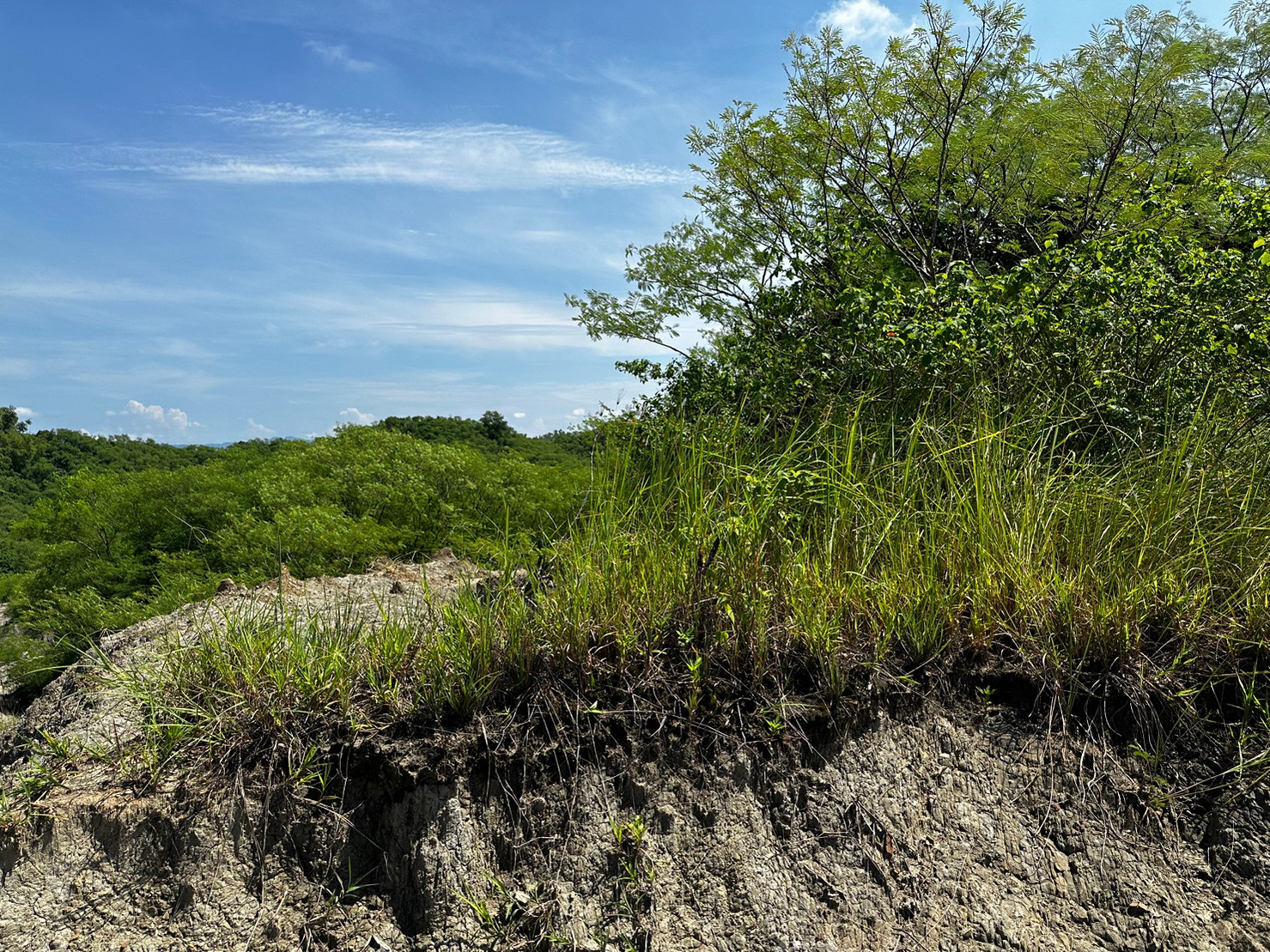
馬頭山地區雖為泥岩惡地,但地層卻不完全由泥岩構成,還夾雜著「砂岩層」。砂岩層因顆粒較粗,水分容易滲入,成為泥岩區域難得的水分涵養處,當砂岩露出地表時,便有機會成為水徑,將雨水帶往地層深處保存下來,這些容易儲蓄水分的地方,在乾季時仍相對潮濕,有助於植物生長及環境的穩定。Even though the Matoushan area features a mudstone badland, its strata are not entirely composed of mudstone. Instead, the strata are interbedded with sandstone layers. Because of its coarser grain sizes, sandstone creates a favorable condition for water infiltration within the mudstone areas. When the sandstone is exposed out of the surface, it can serve as paths for rainwater to flow deeper into the ground for storage. These spots where water retains keep the place relatively moist during the dry season so as to sustain plant growth and a stable environment.

 馬頭山返野
馬頭山返野 