

Cultural Ecology Survey and Research
人文生態調查研究
人文生態特色調查研究社群目的在於彙整在地特色考古、人文與生態調查研究,規劃馬頭山生態環境展示與地方特色介紹,並以照片與文字紀錄對多元生態環境觀察與體驗活動。這些調查與研究資料,將成為馬頭山發展成為環境教育場域的內容,期望未來能向更多人推廣這裡的環境教育,讓大家在學習與體驗中更了解這片土地的珍貴價值,感受馬頭山獨特的生態魅力。
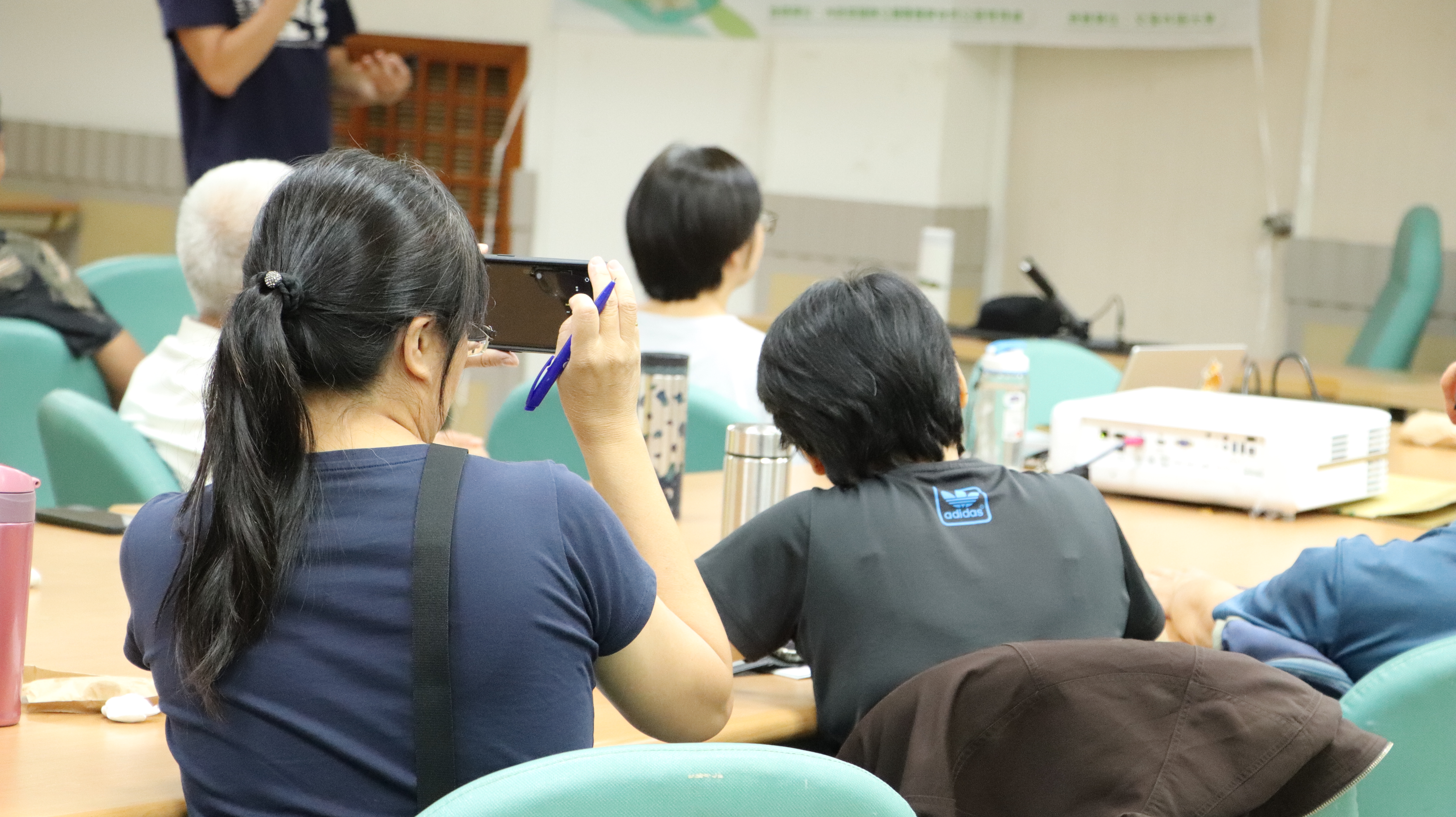
114年 馬頭山地區人文生態調查研究社群–第2次研習
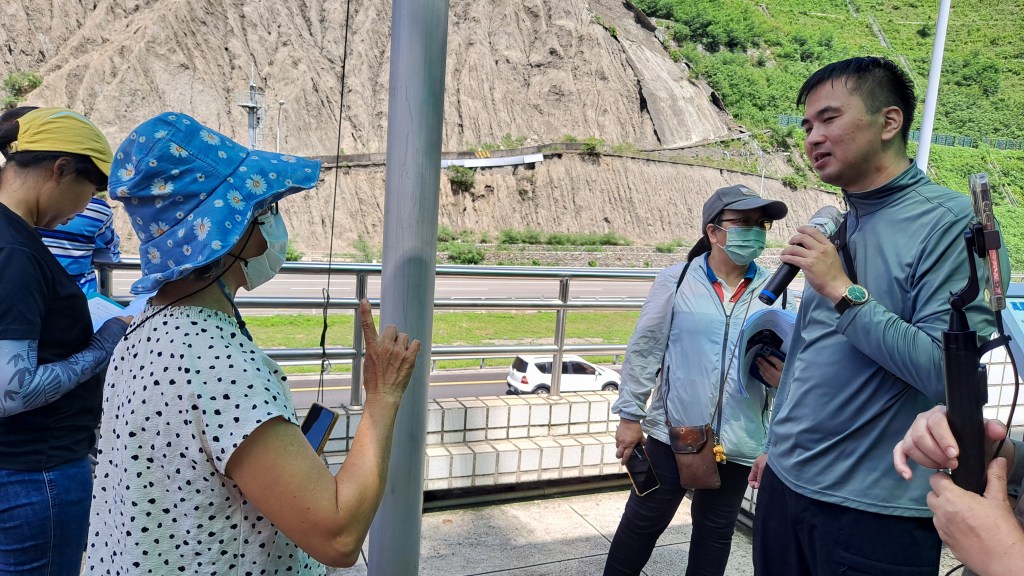
主講人:成功大學 景國恩老師
時間:8/16 (六) 9:00-16:00
戶外踏查
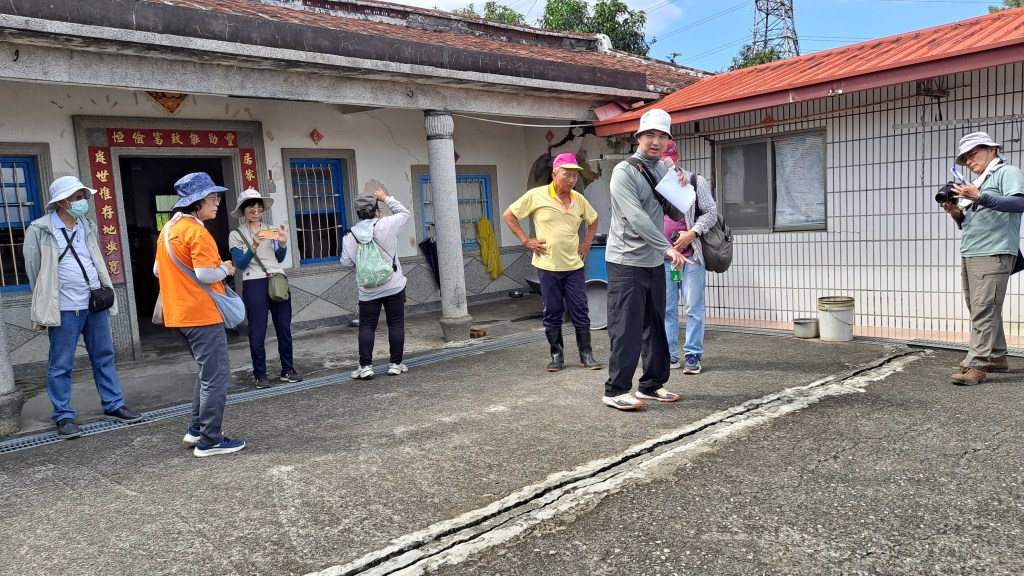
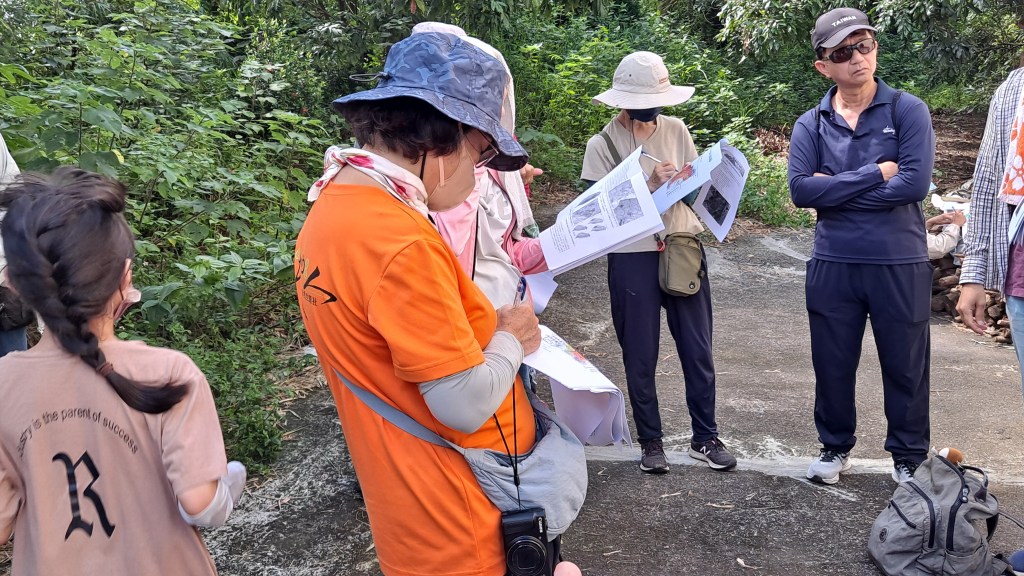
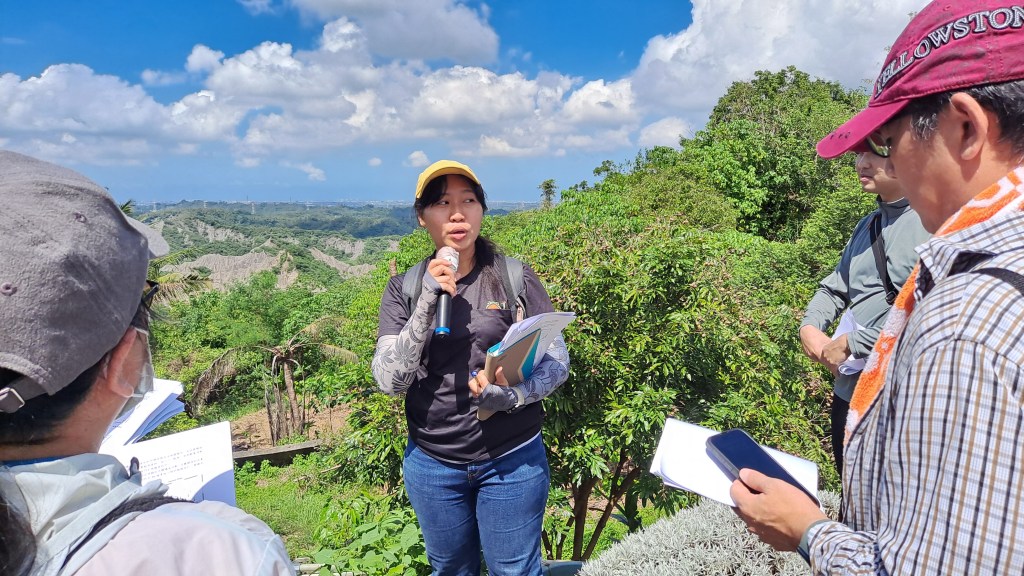
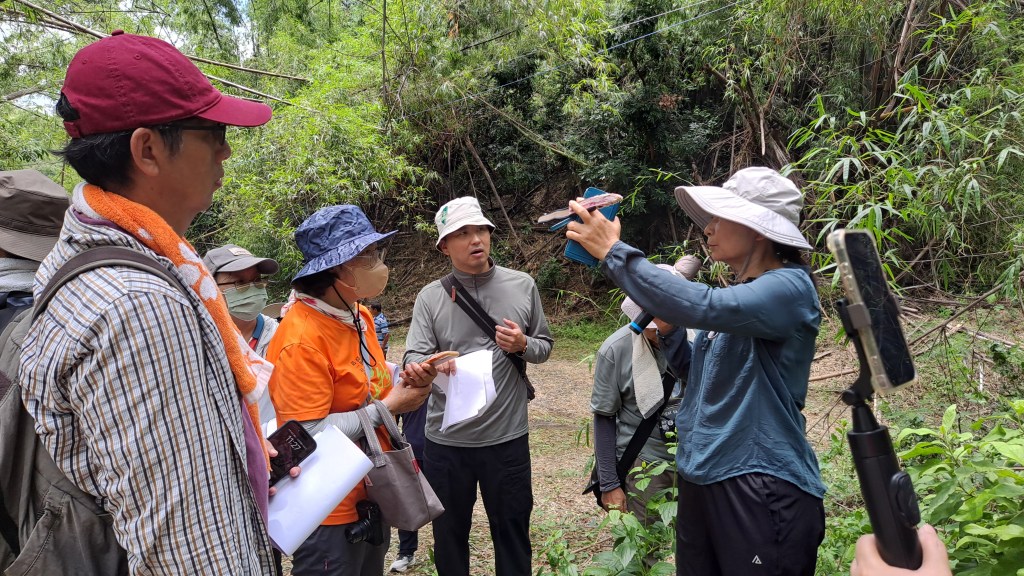
本次活動由景國恩老師帶領學員們走訪馬頭山自然基地及周邊地區,包括州界靈隱寺、月世界小滾水、中寮隧道與半天寮,透過現場觀察與課程講義,深入了解泥體構造的成因與對地景環境的影響。沿途不僅可親眼見證地質變化,還能透過實例認識惡地地區的獨特特色。
This activity was led by Professor Jing Guo-En, guiding participants through the Ma Tou Shan Nature Base and its surrounding areas, including Lingyin Temple at the state border, the Small Mud Volcano at Moon World, Zhongliao Tunnel, and Bantianliao. Through on-site observation and study materials, participants gained a deeper understanding of the causes of mud structures and their impact on the landscape and environment. Along the way, they not only witnessed geological changes firsthand but also learned about the unique features of the badland terrain through real-life examples.
老師以多個案例講解泥基背斜、泥貫入筒與泥貫入體的不同特徵與影響範圍。例如,在州界靈隱寺,學員看到房屋與地面裂縫,顯示其變形並非單純地滑作用,而可能涉及複雜的地表運動;在月世界小滾水,則觀察到小型泥貫入筒的現象,若規模更大可能造成嚴重災害,並舉印尼與巴基斯坦案例作為比較。
Professor Jing explained the characteristics and impacts of mud-cored anticlines, mud diapirs, and mud diatreme with multiple case studies. For example, at Lingyin Temple, participants observed cracks in houses and ground surfaces, indicating that the deformation was not simply caused by landslides but likely involved more complex surface movements. At the Small Mud Volcano in Moon World, a minor mud diatreme was observed; if such features were larger in scale, they could cause serious hazards, as seen in examples from Indonesia and Pakistan.
來到中寮隧道,老師說明因受旗山與車瓜林斷層影響,隧道兩端呈現不同變形,導致拱頂裂縫、接縫錯位與路面不平整,不僅帶來行車安全疑慮,也加重後續維護成本。最後在半天寮,居民家門前可見持續擴大的裂縫,清楚展現泥體構造的長期作用與影響。
At Zhongliao Tunnel, Professor Jing highlighted how the tunnel is affected by both the Chishan and Chegualin faults, causing different deformations at each end. This has led to cracks at the arch, joint displacements, and uneven road surfaces—issues that not only compromise driving safety but also increase maintenance costs. Finally, in Bantianliao, participants saw expanding ground cracks in front of a resident’s home, vividly demonstrating the ongoing impact of mud structures over time.
透過這次研習活動,學員們不僅加深對馬頭山及周邊惡地地質現象的理解,也更清楚泥體構造如何影響環境、居民生活與基礎建設。這不只是一次地質探索,更是一次結合理論與實地觀察的深度學習,讓參與者對自然環境有新的視角與認識。
Through this field study, participants not only deepened their understanding of the geological phenomena of Ma Tou Shan and the surrounding badland areas but also gained clearer insights into how mud structures affect the environment, local communities, and infrastructure. This was more than just a geological exploration—it was an in-depth learning experience that combined theory with field observation, offering participants a fresh perspective on the natural environment.
114年 馬頭山地區人文生態調查研究社群–第1次研習
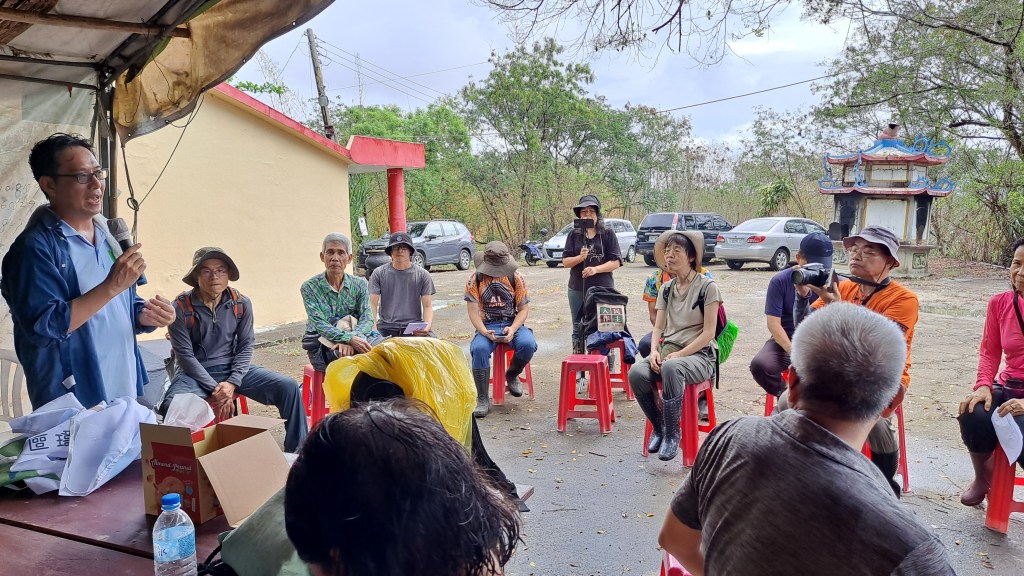
主講人:台灣生態學會理事 楊國禎博士
時間:5/10 (六) 8:00-11:00
戶外踏查
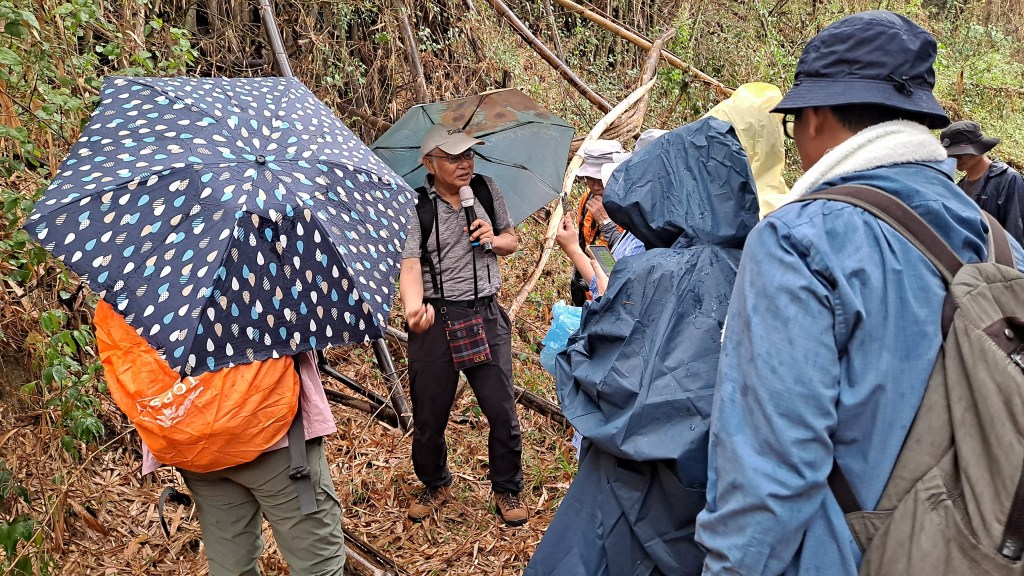
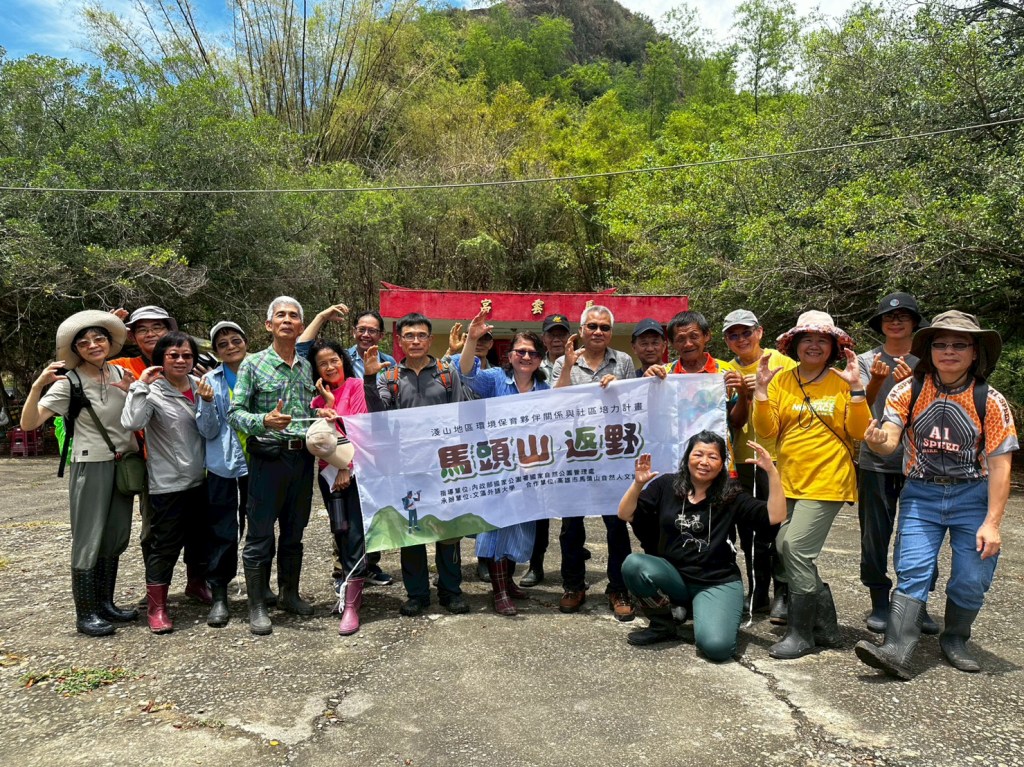
114年5月10日淺山地區環境保育夥伴關係與社區培力計畫舉辦人文生態調查研究社群的第一場研習活動。本次活動特別邀請植物研究學者楊國禎博士,帶領夥伴們一同走入馬頭山,認識在地植物生態。
On May 10, 2025, the " The Shallow Mountain Area Environmental Conservation Partnership and Community Empowerment Program" hosted the first workshop of the Cultural and Ecological Research Group. The event featured Dr. Yang Kuo-Chen, a respected plant researcher, who guided participants on an exploratory walk through Mt. Matou to discover the region’s unique plant ecology.
活動一開始,楊老師分享他對山林教育的深刻見解。他認為山林教育極為重要,然而現今社會普遍對戶外活動存在風險疑慮,使得大眾對野外活動興趣缺缺,進而限制山林教育的推廣與深入。他提到,馬頭山的發展歷程從最初的抗爭到如今的社區營造,結合了人文與生態,展現出豐富多元的面貌。
At the start of the event, Dr. Yang shared his insights on the importance of forest education. He emphasized that while environmental education is crucial, societal concerns about the risks associated with outdoor activities often lead to widespread hesitation, limiting the opportunities for meaningful engagement with natural environments. He also reflected on the development of Mt. Matou, highlighting its journey from early protests to present-day community building, where cultural heritage and ecological preservation are now deeply intertwined, showcasing a rich and diverse local identity.
接著,楊博士介紹多種馬頭山特有的植物,包括吊鐘鬼蘭、垂頭地寶蘭、四重溪脈葉蘭等。他提到,吊鐘鬼蘭近兩年在馬頭山的竹林下大量出現,但必須等到降雨後才會快速生長,去年甚至出現數千株的盛況。垂頭地寶蘭則通常在梅雨季過後(約6月底至7月初)發芽、開花;而紫背脈葉蘭的葉背呈紫色,特別之處在於會先開花再長葉,花期型態為白天綻放、夜晚閉合,隔天再度開放,一串花可持續開放約一週,其為熱帶物種,通常在梅雨季(5月)開始開花。
Dr. Yang introduced several plant species unique to the Mt. Matou area, including Anoectochilus bellonianus, Anoectochilus formosanus, and Goodyera schlechtendaliana. He noted that Anoectochilus bellonianus has been particularly abundant under the bamboo groves of Mt. Matou in recent years, though its growth is dependent on rainfall, with thousands of plants observed last year. Anoectochilus formosanus typically germinates and blooms after the plum rain season, around late June to early July. Meanwhile, Goodyera schlechtendaliana is characterized by the purple coloration on the underside of its leaves and its unusual flowering behavior—flowers bloom during the day and close at night, reopening the next day; a single inflorescence can remain in bloom for about a week. This tropical species typically flowers starting in May, coinciding with the plum rain season.
在實地踏查中,楊博士帶領學員沿著馬雲宮旁的小徑,觀察岩生秋海棠等植物。他指出,氣候變遷導致梅雨季節縮短,過去持續一個月的梅雨,如今常僅有兩、三天的鋒面通過,春、冬季降雨也明顯減少,這些改變對植物的生長造成了不小的挑戰。
During the field excursion, Dr. Yang led participants along a small trail near Mayun Temple to observe Begonia ravenii, a native species. He highlighted the challenges posed by climate change, noting that the duration of the plum rain season has drastically shortened—from a full month in the past to now only two or three days per front system—while rainfall during spring and winter has also decreased. These shifts, he stressed, present significant challenges for plant growth.
當大家來到岩生秋海棠的生長地時,楊博士進一步解說其生態特性。他表示,秋海棠在乾旱的冬季會完全枯死,而到了梅雨季節才重新萌發新芽。雖然岩生秋海棠生長在營養匱乏的岩石表面,卻能從每年5月開始持續生長至10月,葉片最大可達手掌般大小,並且順利開花結果,展現出極強的生命力。楊博士感嘆,能在這樣嚴峻的環境中依然茁壯生長,實屬難得且珍貴的自然奇蹟。
Upon reaching the Begonia ravenii habitat, Dr. Yang elaborated on its ecological traits. He explained that B. ravenii dies back entirely during the dry winter season but regenerates with the onset of the plum rains. Despite growing on nutrient-poor rock surfaces, it can thrive from May through October, with leaves expanding to the size of a human palm and successfully flowering and fruiting. Dr. Yang emphasized the plant’s remarkable resilience, describing its ability to persist under such harsh conditions as a rare and precious example of nature’s tenacity.
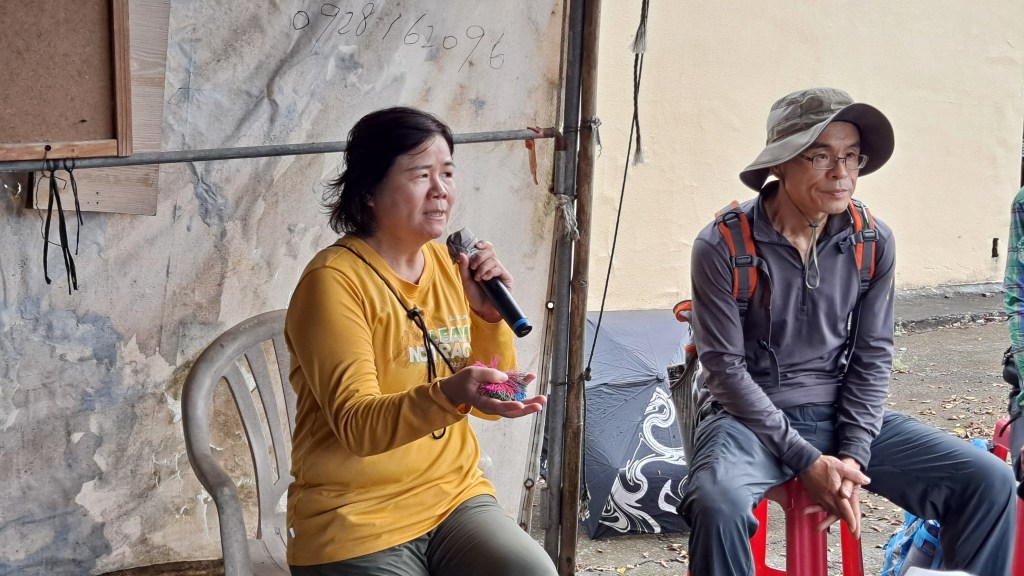
活動最後,學員們分享參與活動的感想與心得,彼此交流對於自然生態的體會與學習。此次研習不僅增進了參與者對馬頭山生態的認識,也為未來更多的在地行動鋪墊了寶貴的基礎,圓滿地為這場充實的學習活動劃下句點。
The event concluded with participants sharing their reflections and insights, fostering dialogue on the importance of connecting with and understanding natural ecosystems. This workshop not only deepened participants’ knowledge of Mt. Matou’s unique ecology but also laid a valuable foundation for future community-led conservation efforts, bringing the day’s learning journey to a meaningful close.
113年 馬頭山地區人文生態調查研究社群–第3次研習
主講人:台灣生態學會理事 楊國禎博士
時間:8/11 (日) 8:00-11:00
戶外踏查
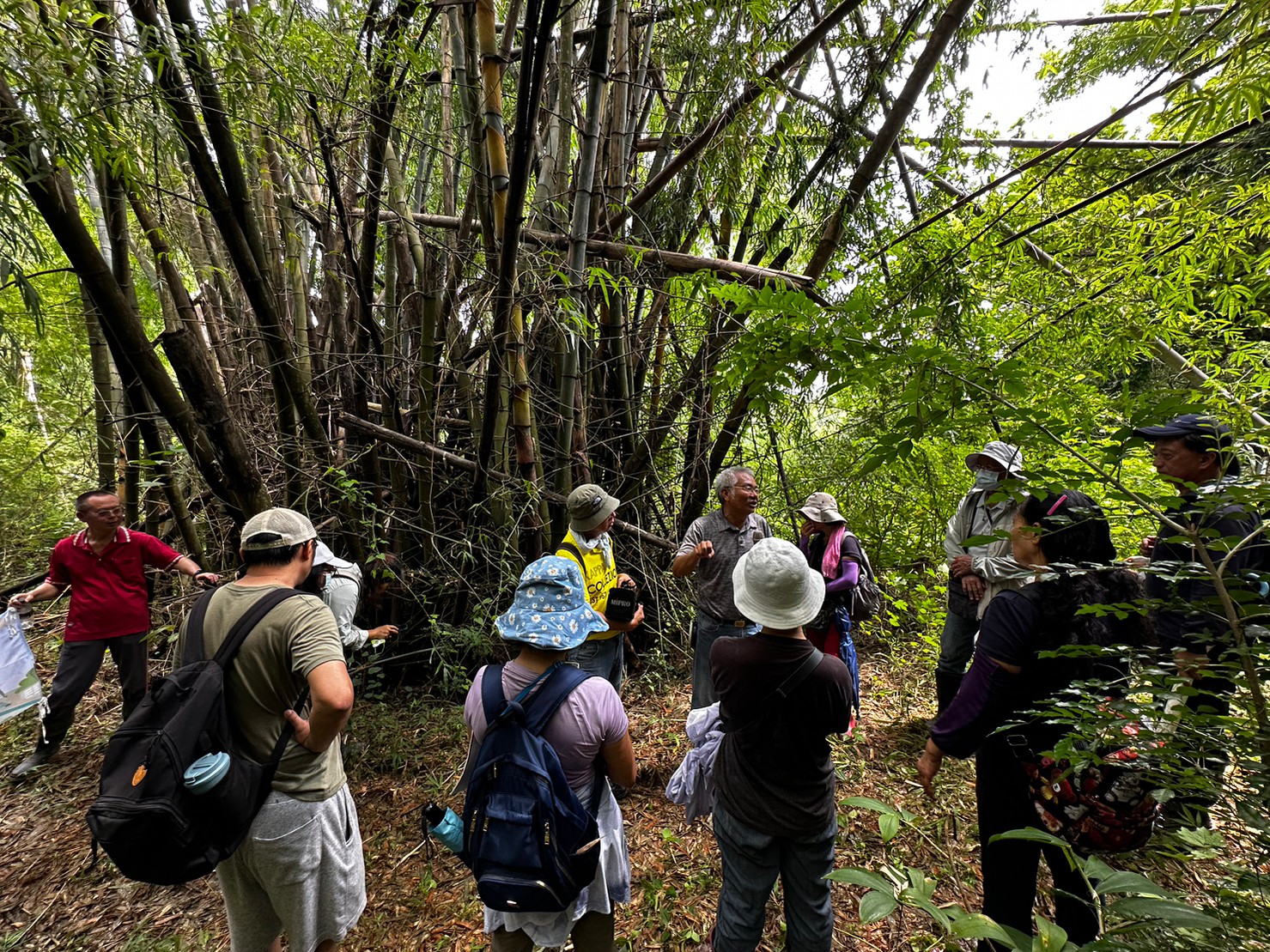
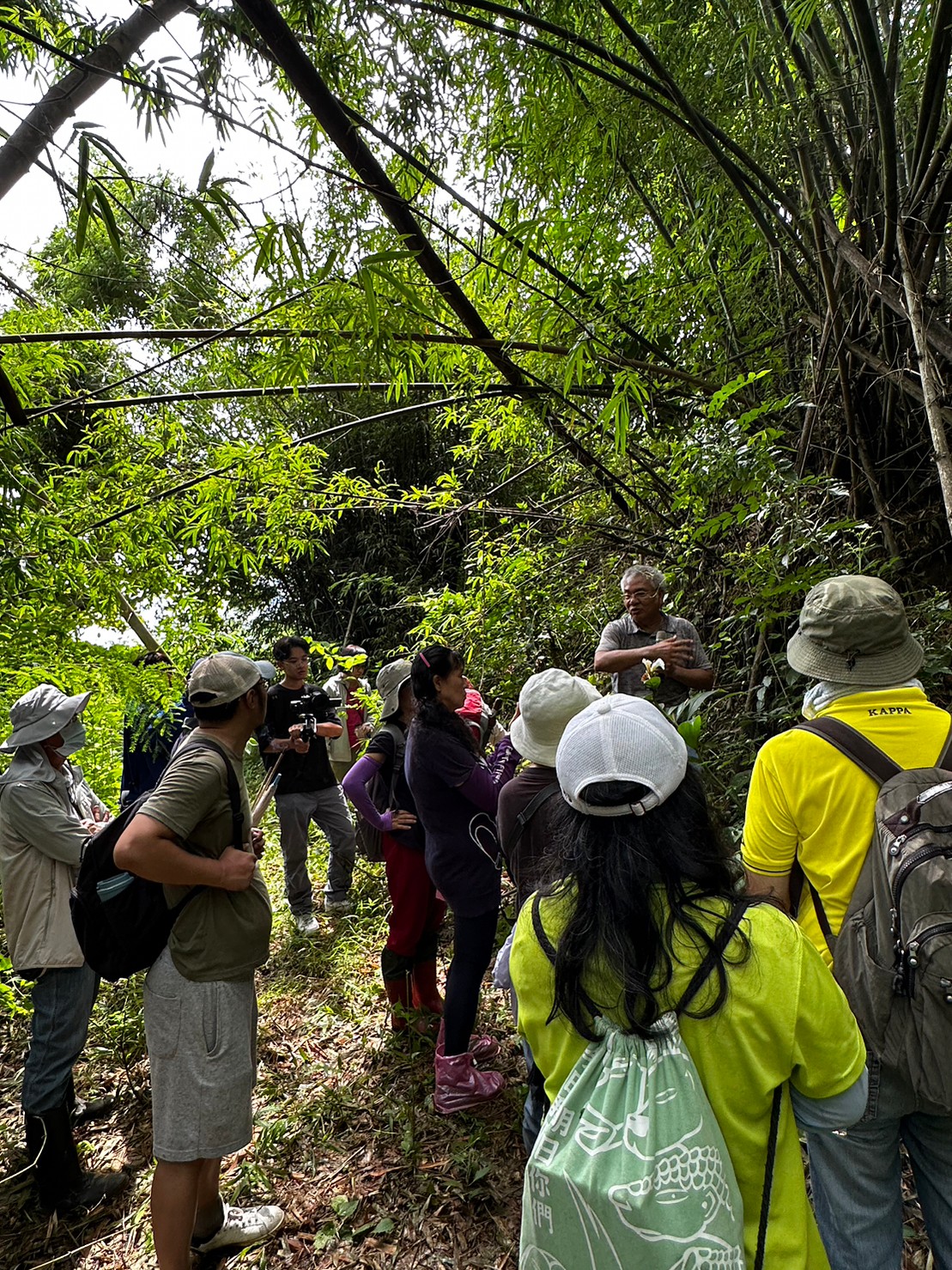
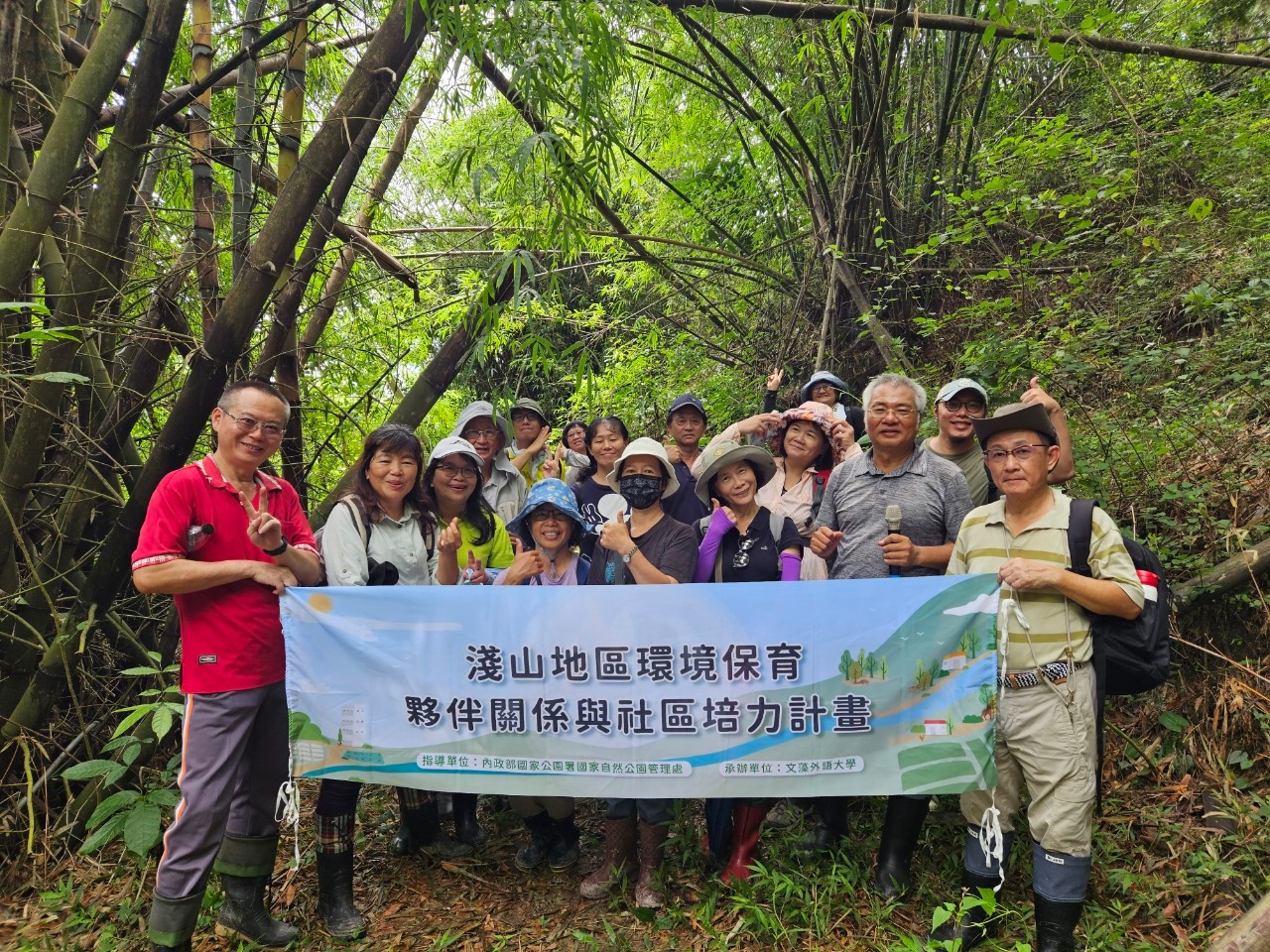
8月10日這天淺山地區環境保育夥伴關係與社區培力計畫迎來人文生態調查研究的第三場研習活動。這次活動邀請植物研究學者楊國禎博士,帶領夥伴認識馬頭山的植物生態。
On August 10, under the summer heat, the third workshop of the Shallow Mountain Environmental Conservation Partnership and Community Empowerment Program took place. In this session, Dr. Yang Guozhen, a plant research scholar, led participants in exploring and understanding the area’s plant ecology.
楊老師首先引導大家認識當地豐富的自然資源。馬頭山地區以多樣性生態著稱,無論是茂密的植被還是隨處可見的生物,都展示大自然的無限可能。楊老師強調現代都市人對於自然環境的疏離感;他指出,隨著都市的快速發展,人們的權利與資源越來越依賴金錢與權力的推動,生活在都市的我們非常忙碌,因眾多的人事雜事而無暇關注自然環境,從而失去與大自然間的聯繫。這種疏離感不僅使人類逐漸遠離自然,也讓我們忽視自己對環境的責任。
Professor Yang began by introducing the area’s rich natural resources. Ma Tou Shan is known for its diverse ecosystem, with dense vegetation and abundant wildlife showcasing the vast possibilities of nature. He emphasized the disconnection modern urban dwellers feel from the natural environment. With rapid urban development, people’s rights and resources increasingly depend on money and power. As urban life becomes busier, people lose touch with nature, neglecting both their connection to it and their responsibility to protect it.
在這次探索活動中,楊老師特別介紹廣泛生長在馬頭山地區的植物(馬頭山的優勢植物)——刺竹。刺竹在植物界中被視為「怪胎」,其生長方式與其他植物大相徑庭。竹子以其快速生長的特性著稱,兒刺竹更是其中的佼佼者,它能在一天內生長高達一公尺,這種驚人的生長速度使其成為自然界中的一大奇觀。楊老師解釋道,刺竹的每一節都在不斷抽長,直到達到生長極限後才會停止。
During the exploration, Dr. Yang introduced one of Ma Tou Shan’s dominant plants, the thorny bamboo. Known as a “freak" in the plant world, its growth pattern is quite unique. Bamboo is famous for its rapid growth, but thorny bamboo stands out even more, growing up to a meter in a single day. This remarkable speed makes it a natural marvel. Dr. Yang explained that each segment of the bamboo continuously elongates until it reaches its growth limit.
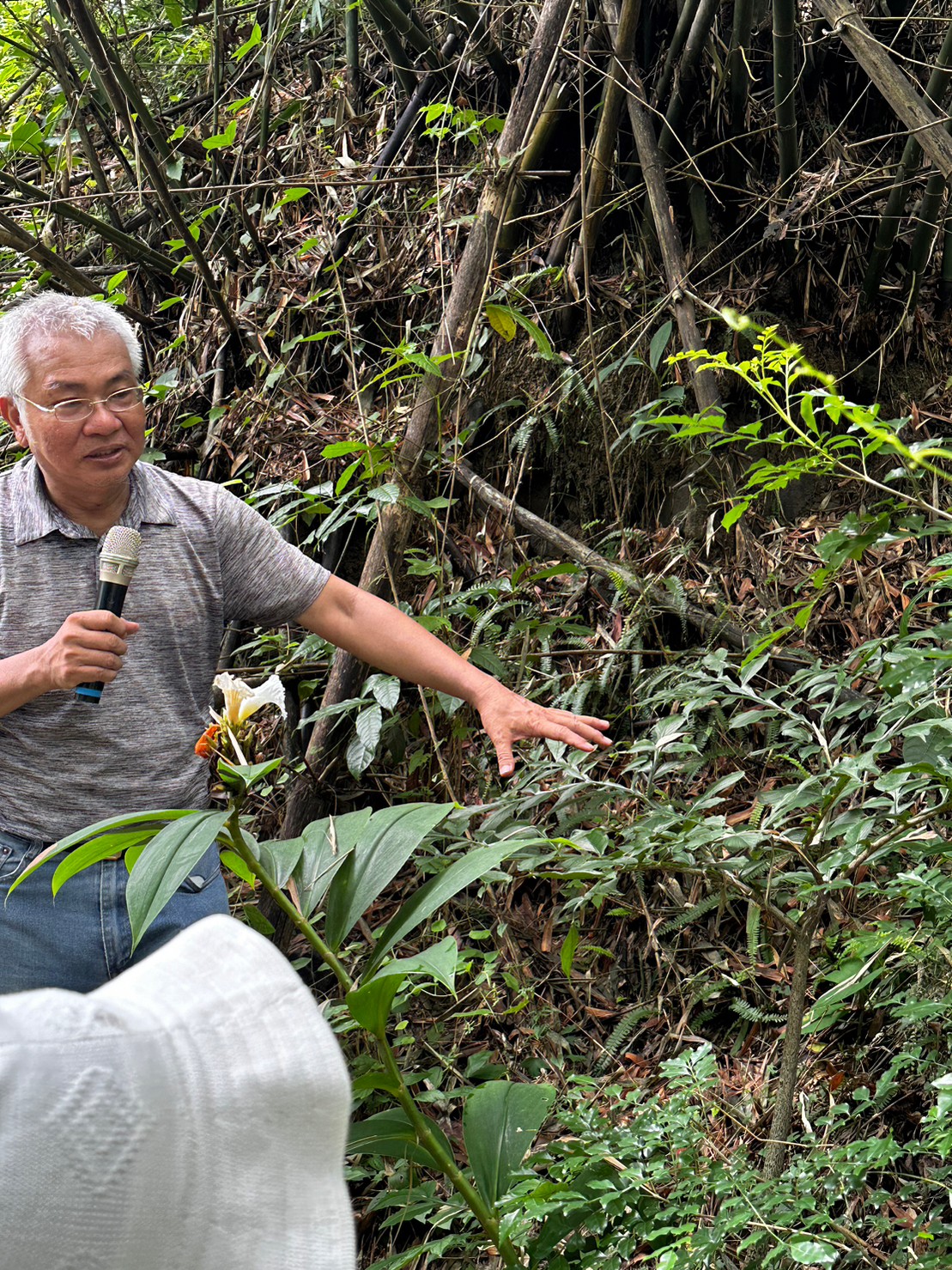
楊老師並分享在地居民在植物復育方面所作出的努力。隨著生態保護意識的不斷提升,馬頭山地區曾經消失的植物逐漸回歸,其中包括生長在刺竹叢中的珍貴蘭花——垂頭地寶蘭。這些植物的復育不僅為當地生態系統注入新的活力,也見證在地居民對這片土地的情感及對環境保護的熱忱。
Dr. Yang also shared the efforts made by local residents in plant restoration. With the growing awareness of ecological conservation, plants that had once disappeared from Ma Tou Shan are gradually returning, including the rare orchid *Cymbidium sinense* (垂頭地寶蘭), which grows amidst the thorny bamboo. The restoration of these plants not only revitalizes the local ecosystem but also reflects the deep connection and dedication of the residents to protecting the environment.
活動的最後,楊老師提出植物共生的重要性。他指出,在自然界中,植物之間的共生關係是維持生態平衡的關鍵。只有深入了解這種共生關係,我們才能真正解決植物培育中的問題。例如,刺竹與垂頭地寶蘭之間的共生,便是自然界中一個典型的案例。垂頭地寶蘭依附在刺竹叢中生長,兩者之間形成互利共生的關係,這種共生關係讓它們能夠在嚴苛的環境中共同生存下來。楊老師進一步指出,正是因為有了這些共生關係,自然界才能在千變萬化的環境中保持平衡和穩定。對於我們來說,理解和尊重這些共生關係,不僅有助於保護自然環境,也能幫助我們更好地應對生態挑戰。
At the end of the activity, Dr. Yang emphasized the importance of plant symbiosis, highlighting that symbiotic relationships among plants are key to maintaining ecological balance. He explained that only by understanding these relationships can we effectively address issues in plant cultivation. A prime example is the symbiosis between thorny bamboo and *Cymbidium sinense*, where the orchid grows in the bamboo thickets, forming a mutually beneficial relationship that allows both to thrive in harsh environments. Dr. Yang stressed that such symbiotic relationships enable nature to remain balanced and stable despite constant changes. Understanding and respecting these relationships not only helps protect the natural environment but also equips us to better tackle ecological challenges.
透過這次充滿啟發的自然探索,夥伴不僅增強對生態的認識,也深刻體會到自然共生的力量。活動中的每一個細節,都讓大家更加了解自然的奧秘和美麗。在未來,這片大自然的基地將繼續成為人們探索與學習的寶貴場所。隨著人們對環境保護意識的不斷提升,相信更多的人將重新與自然建立起深厚的聯繫,共同守護這片美麗的土地,讓自然與人類的共生故事得以延續。
Through this inspiring nature exploration, participants not only deepened their understanding of ecology but also profoundly grasped the power of natural symbiosis. Every detail of the activity revealed more of nature’s mysteries and beauty. In the future, this natural base will continue to serve as a valuable place for exploration and learning. As environmental awareness continues to grow, it is hoped that more people will reconnect with nature, collectively protecting this beautiful land and allowing the story of coexistence between humans and nature to thrive.
淺山地區環境保育夥伴關係與社區培力計畫旨在促進在地社群自發投入生態保育,共同推動馬頭山地區的環境永續發展。馬頭山位於高雄市旗山、內門與田寮交界處,形似駿馬,因此得名。這裡擁有豐富的生態資源,是野生動物的天堂,我們誠摯邀請大家一同關注並維護這塊生物多樣性的美麗大地,一同協助馬頭山返野。歡迎追蹤馬頭山返野臉書粉絲專頁,請於臉書上搜尋「馬頭山返野」並按讚,即可獲取相關活動資訊。
The Shallow Mountain Area Environmental Conservation Partnership and Community Empowerment Program aims to encourage local communities to actively participate in ecological conservation and promote sustainable development in the Ma Tou Shan area. Located at the junction of Qishan, Neimen, and Tianliao in Kaohsiung City, Ma Tou Shan, named for its horse-like shape, is rich in ecological resources and serves as a haven for wildlife. We sincerely invite everyone to join in preserving this beautiful land of biodiversity and supporting the rewilding of Ma Tou Shan. Follow the “馬頭山返野" Facebook page for updates by searching for it and giving it a like.
113年 馬頭山地區人文生態調查研究社群
第2次研習
時間:7/6 (六) 18:30-20:30
地點:內門紫竹寺會議室+內南社區戶外觀察
主講人:生態專家 劉烘昌博士
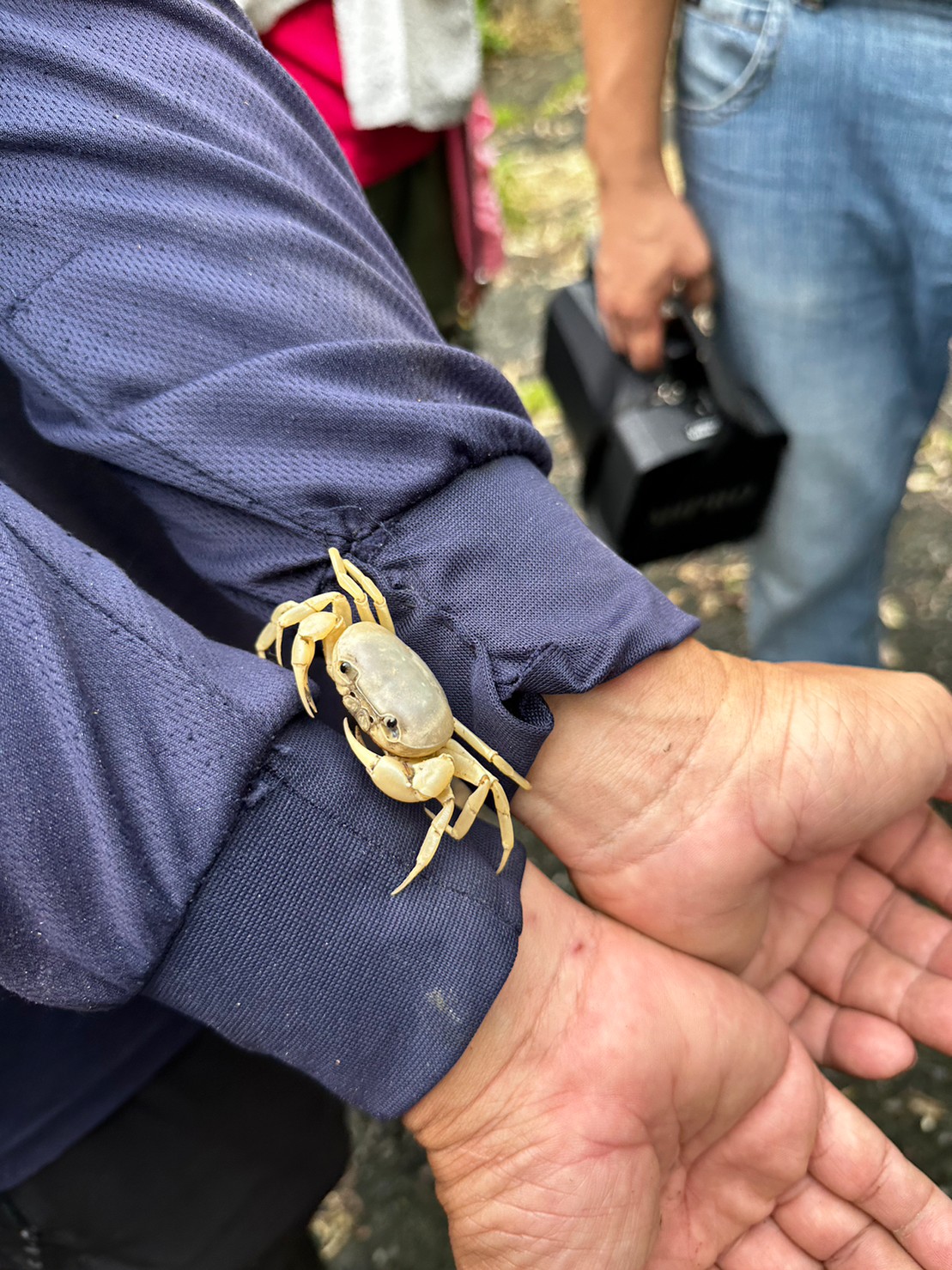
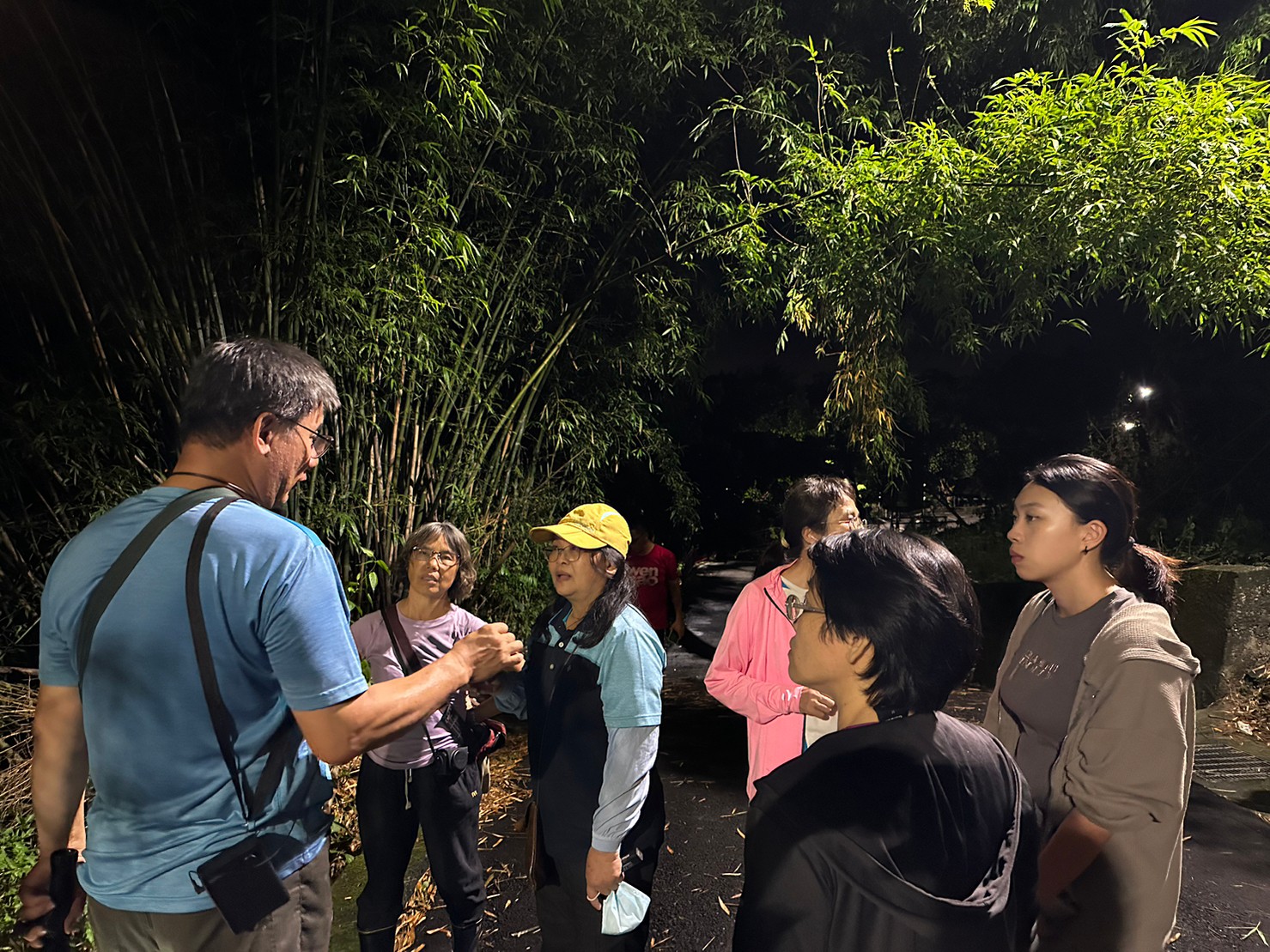
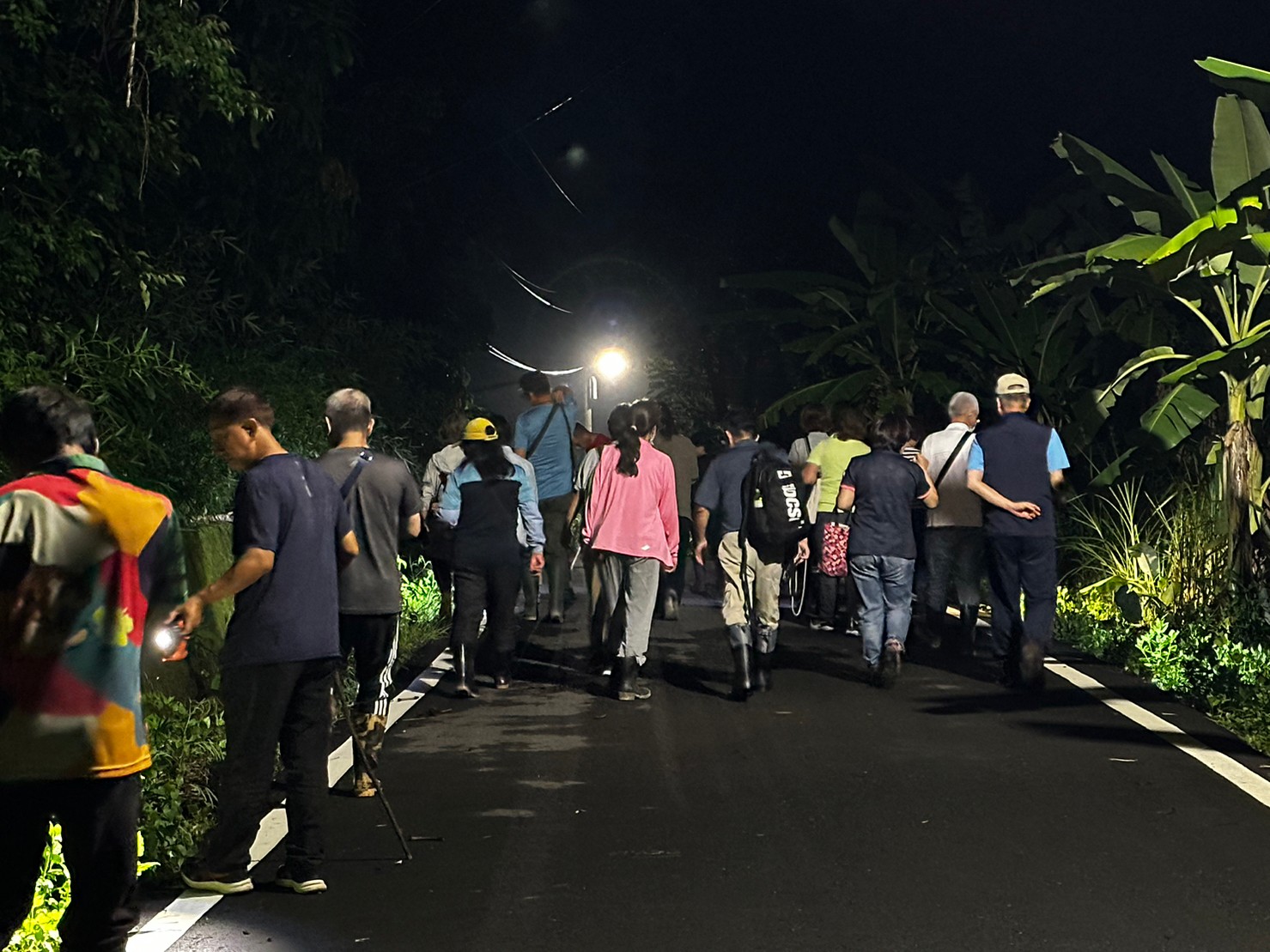
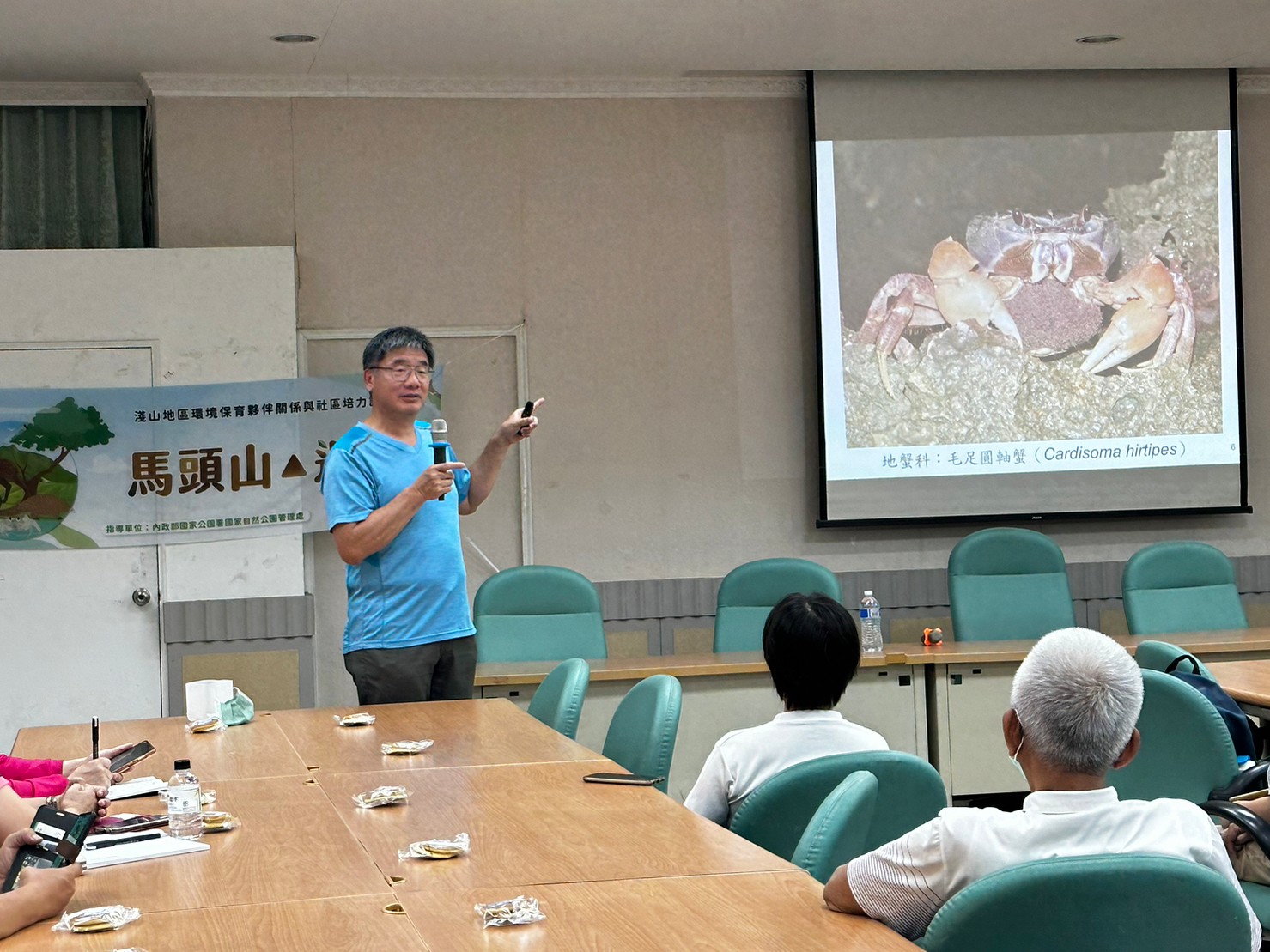
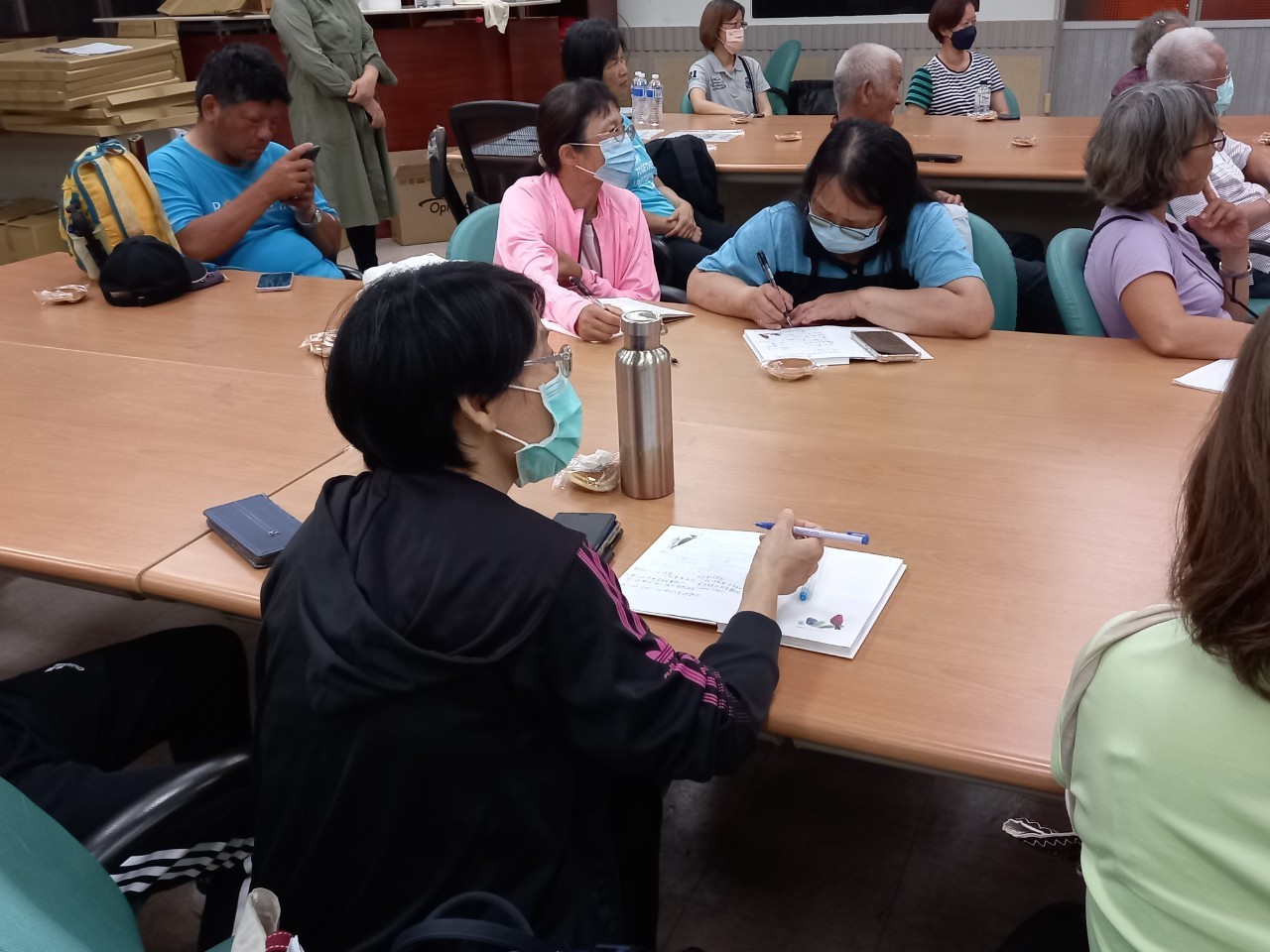
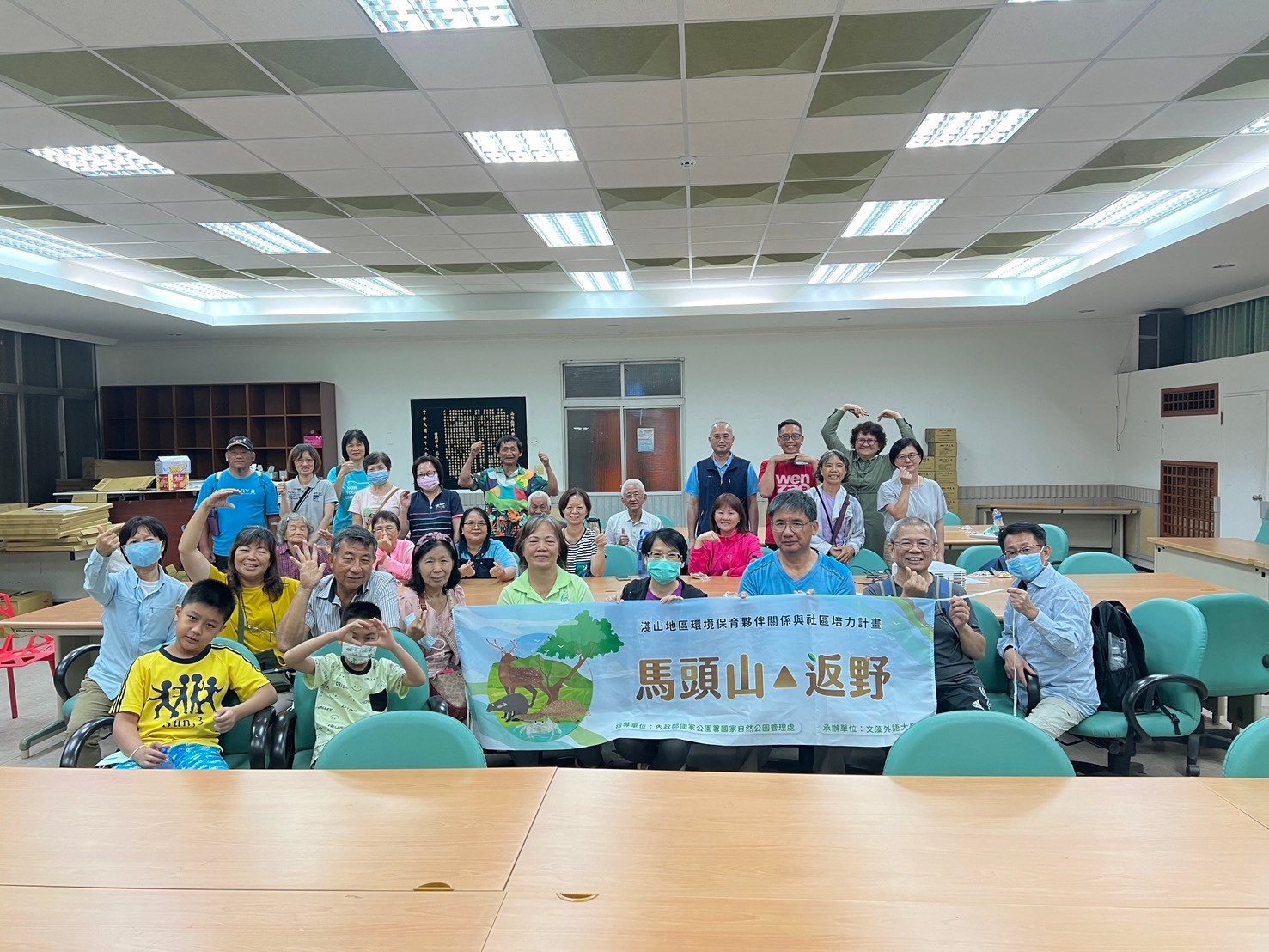
在馬頭山人文生態調查研究社群第二次研習中,由生態專家劉烘昌博士帶大家認識馬頭山的陸蟹生態。劉博士先於課堂上口說分享,結束後帶領現場夥伴一同進行戶外的生態夜觀,讓大家能對課堂中提到的生物更加印象深刻。
In the second workshop by the Ma-tou Mountain Cultural and Ecological Research Community, ecologist Dr. Liu Hong-Chang introduced the land crab ecology of Ma-tou Mountain. Dr. Liu would first give an indoor lecture. Then, he would lead an outdoor night wildlife observation, familiarizing everyone with the creatures discussed in class.
在課堂上,劉博士首先定義何謂陸蟹。廣義而言,陸蟹是「在水外能維持一定活力的螃蟹」,而狹義上來說,地蟹科 (Gecarcinidae)的蟹類才能被稱為陸蟹,例如:毛足圓軸蟹 (Cardisoma hirtipes)、兇狠圓軸蟹 (Cardisoma carnifex),這種蟹類通常棲息於南北回歸線之間地區的水岸邊,像是在台江國家公園也能發現其蹤跡。另外,在潮間帶或陸地上常出沒的陸寄居蟹 (Land Hermit Crab),也是陸蟹家族的一份子。
At the beginning of the course, Dr. Liu first defined land crabs. Generally speaking, land crabs are “crabs that can maintain a certain level of vitality outside of water," while more specifically, only crabs of the Gecarcinidae family can be classified as land crabs. Some examples include Cardisoma hirtipes and Cardisoma carnifex. These crabs typically inhabit the coasts of places between the Tropic of Cancer and the Tropic of Capricorn, such as those found in Taijiang National Park. Additionally, the land hermit crab, which can often be spotted in the intertidal zones or on land, is also a member of the land crab family.
蟹類為卵生動物,而陸蟹的產卵孵化方式可分為兩種:棲息地在海岸邊的抱卵母蟹會在漲潮時回到水裡,等待卵脫離母蟹腹部,孵化成為「浮游幼體」,幼蟹在浮游幼體時還不是螃蟹的樣子,而是類似浮游生物的型態,直到完全變態後脫殼,才會變成小螃蟹回到陸地上;另外,淡水陸蟹則是以「直接發育」的方式孵化,淡水母蟹身上的卵成熟後會直接孵化成為幼蟹,而母蟹這時就會以「抱子」的樣子移動。
Crabs are oviparous species, and how land crabs incubate can be divided into two categories: Crabs that inhabit coastal areas release their eggs into the water during high tide, allowing the eggs to hatch into “planktonic larvae." During their planktonic stage, the larvae do not yet resemble crabs but rather look like plankton. Only after complete metamorphosis and molting do they become little crabs and return to land. In contrast, freshwater land crabs have “direct development" for their incubations. The eggs of freshwater crabs hatch directly into tiny, fully developed crabs, and the mother crab carries them when she moves.
劉博士也將台灣的淡水蟹分成三類,分別是棲息地在河口附近、河川上中下游處、或溪流邊的淡水蟹。第一種棲息在河口附近的淡水蟹,劉博士介紹了恆春半島常見的椰子蟹 (Birgus latro),說明牠們「斷螯求生」的特殊本領-在椰子蟹遇到天敵時,牠們能夠夾住對方並趁機斷螯逃跑;除了牠們的大螯之外,其他六隻腳也可以這樣做,且斷肢則是經過數次脫殼後就能再長回來。在課堂上有學員也詢問到,螃蟹脫殼後的外殼不容易被人們發現的原因,劉博士答道,陸蟹相較生活在海邊的蟹類鈣質取得不易,所以牠們吃掉自己自己脫下來的殼以攝取鈣質。
Dr. Liu also categorized Taiwan’s freshwater crabs into three types based on their habitats: those near estuaries, those in upstream, midstream, and downstream river areas, and those along stream banks. For the first type, crabs living near estuaries, Dr. Liu introduced the coconut crabs (Birgus latro) which can commonly be found in the Hengchun Peninsula. He mentioned their unique survival skill of “self-amputation”—when coconut crabs encounter predators, they can cling to them and escape by breaking off a claw. Besides their large claws, the other six legs can be broken off this way as well, with the lost limb regenerating after molts. A participant asked why crab exoskeletons are not easily found after molting. Dr. Liu explained that land crabs, unlike their marine counterparts, have difficulty obtaining calcium, so they consume their own discarded shells to replenish calcium.
第二類則有棲息地在河川上、中、下游處的毛蟹,特徵是螯上有著軟軟的絨毛,常見的有東部河川的台灣絨螫蟹 (Eriocheir formosa)和西部的日本絨螫蟹 (Eriocheir japonica)。
The second category includes crabs that live in upstream, midstream, and downstream river areas, such as the hairy crabs with soft, hairy pincers. Notable examples are the Taiwan mitten crabs (Eriocheir formosa) found in rivers on the eastern side of Taiwan and the Japanese mitten crabs (Eriocheir japonica) in rivers on the western side of Taiwan.
雖然前面提到的這兩類淡水蟹主要的棲息地在淡水水域,但其母蟹生產時會回到海裡,而真正一生都生活在淡水水域的蟹類是為第三種,棲息地位在溪流邊的溪蟹類,例如水陸兩棲型的拉氏清溪蟹 (Candidiopotamon rathbuni)與厚圓澤蟹 (Geothelphusa ancylophallus)等,這兩種也是台灣特有種蟹類。在馬頭山地區也有機會看到厚圓澤蟹出沒,雖然居住在較為乾燥的山坡地,牠們也能靠著自己挖的洞穴,一方面躲避天敵,一方面能保持濕潤。
Although the two types of freshwater crabs mentioned earlier primarily inhabit freshwater environments, the female crabs return to the sea to reproduce. The third type of freshwater crab, however, spends its entire life in freshwater areas. These crabs are found along stream banks, such as the semi-aquatic Candidiopotamon rathbuni and Geothelphusa ancylophallus, both of which are endemic species of Taiwan. In the Ma-tou Mountain area, there is also a chance to observe the Geothelphusa ancylophallus. Despite living in relatively dry hillside areas, these crabs can both evade predators and maintain moisture in their damp burrows.
在劉博士精彩的分享結束後,大家便動身前往內南社區,進行夜觀活動,探訪馬頭山地區夜間的自然生態,但因當天缺乏雨水,並未發現厚圓澤蟹的蹤跡,但老師在行走的路程上,接受夥伴多方的提問,並一一詳細回覆。
After Dr. Liu’s informative sharing, the participants proceeded to Neinan Community for the night wildlife observation, exploring the nocturnal ecology of the Ma-tou Mountain area. Unfortunately, due to the lack of rain that day, the Geothelphusa ancylophallus was not spotted, but Dr. Liu answered various questions in detail from the participants during the observation.
淺山地區環境保育夥伴關係與社區培力計畫旨在促進在地與社群成員自願性的參與及投入生態保育為目標,共同對外推廣馬頭山地區的環境永續發展模式。下一次的人文生態調查研究社群研習時間為8月11日,將邀請楊國禎博士分享「馬頭山特色植物」,歡迎對馬頭山地區之人文及生態保育有興趣的民眾,進一步參與及關注,請追蹤計畫臉書粉絲專頁:於臉書搜尋「馬頭山返野」並按「讚」,就可即時獲得計畫最新活動資訊。
The Shallow Mountain Area Environmental Conservation Partnership and Community Empowerment Project aims to stimulate voluntary participation in ecological conservation of both local and community members, which promotes the developing environmental sustainability of the Ma-tou Mountain area. The next workshop by the Cultural and Ecological Research Community will be held on August 11, featuring Dr. Yang Guo-Zhen, who will discuss “The Special Plants of Ma-tou Mountain." Friends who are interested in the culture and conservation of the Ma-tou Mountain area are welcome to participate in our project. To keep up with our latest news, please follow the Facebook fan page of the project by entering “馬頭山返野" on Facebook and “Like" the page.
113 年馬頭山地區人文生態調查研究社群–第1次研習

主講人:屏東科技大學 孫敬閔助理教授
時間:6/29 (六) 18:30-20:30
地點:內門紫竹寺會議室
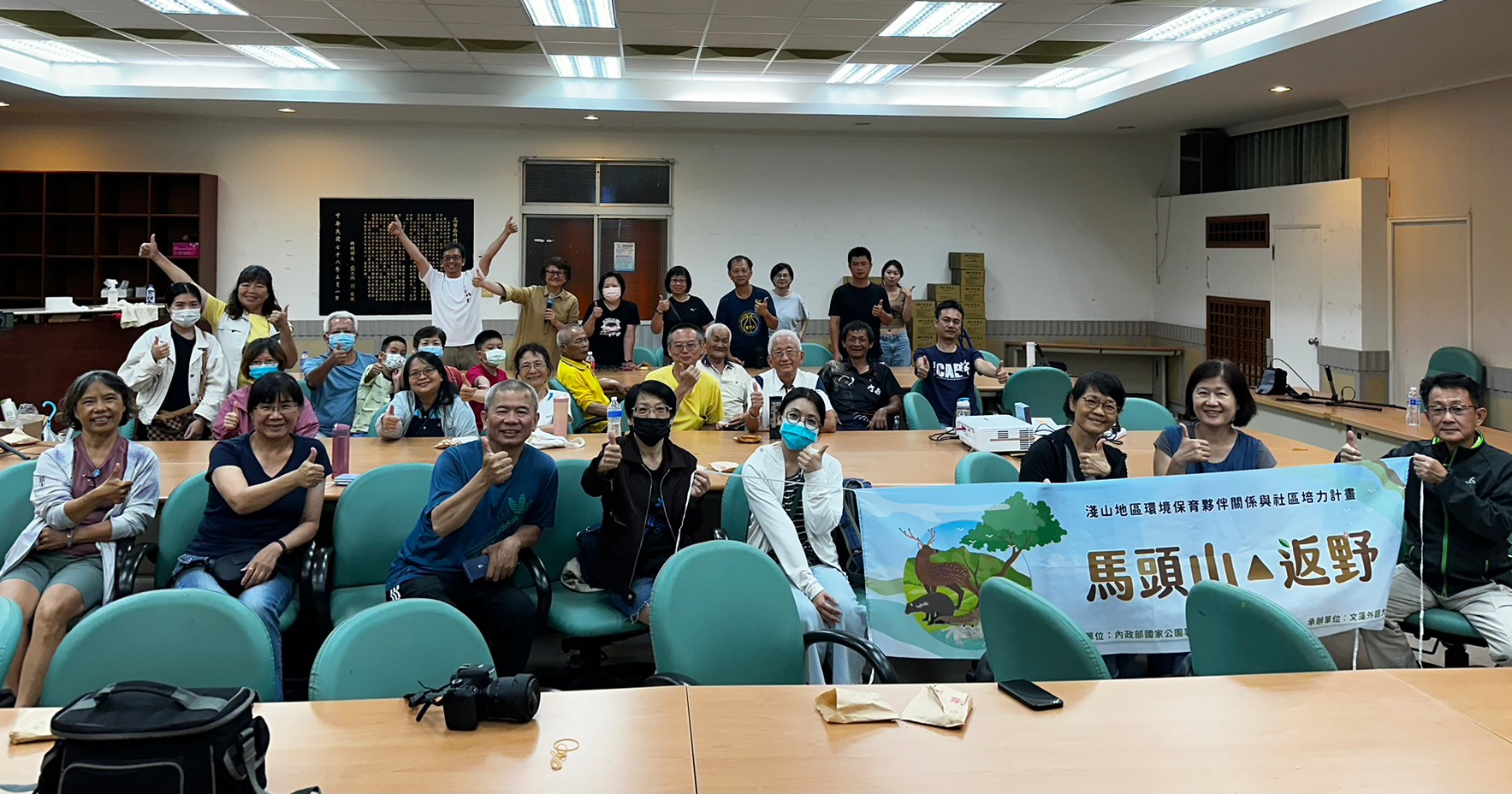
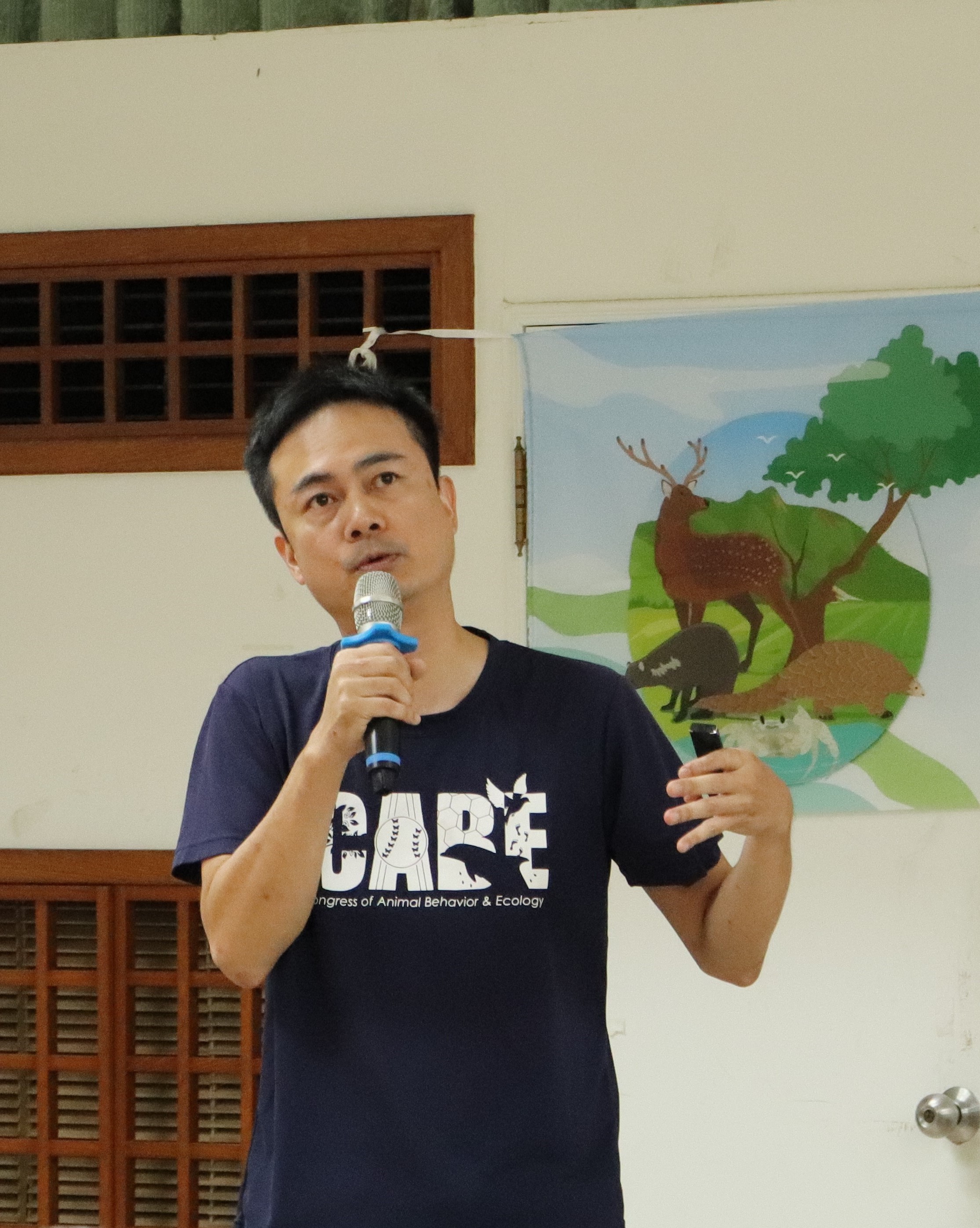
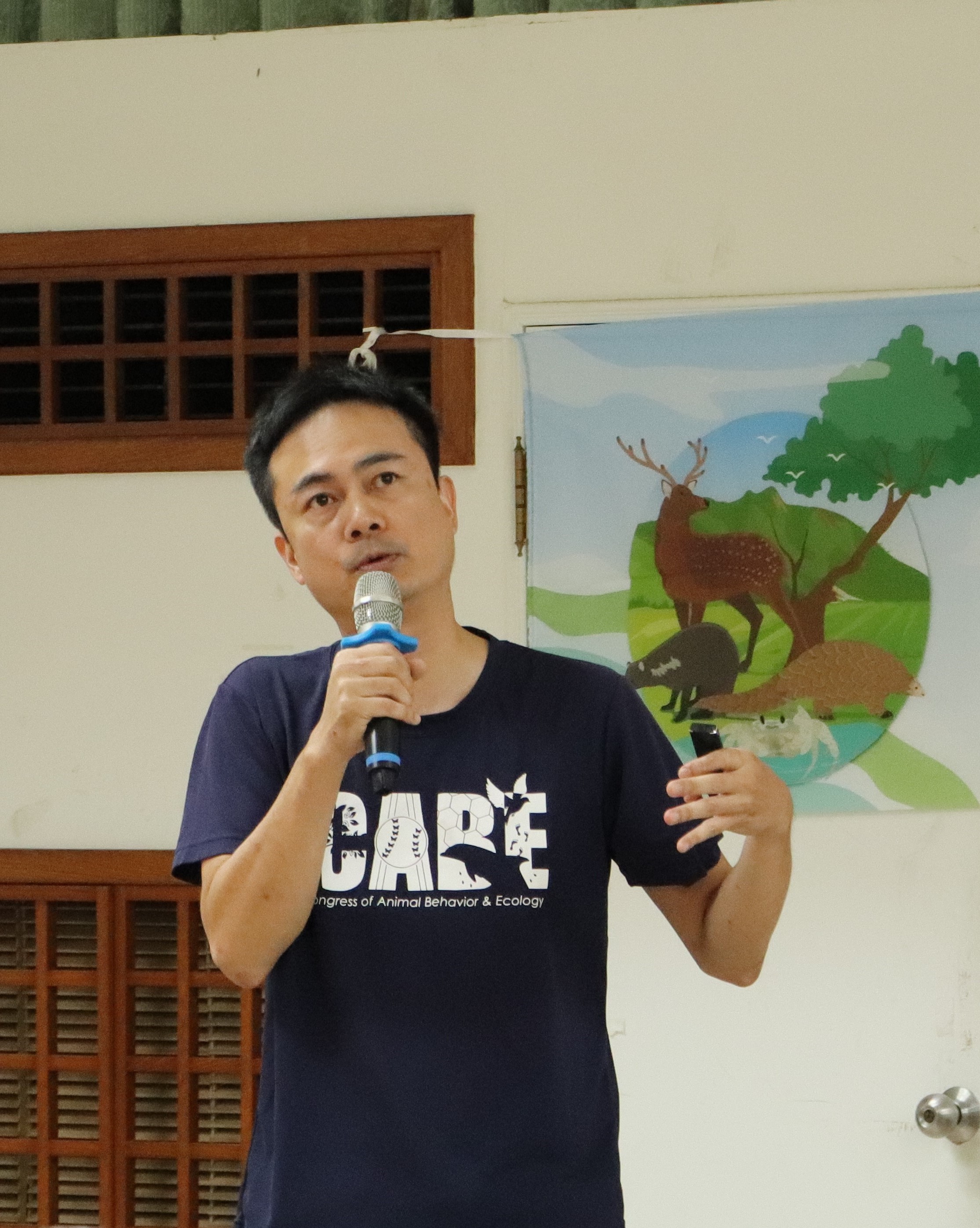
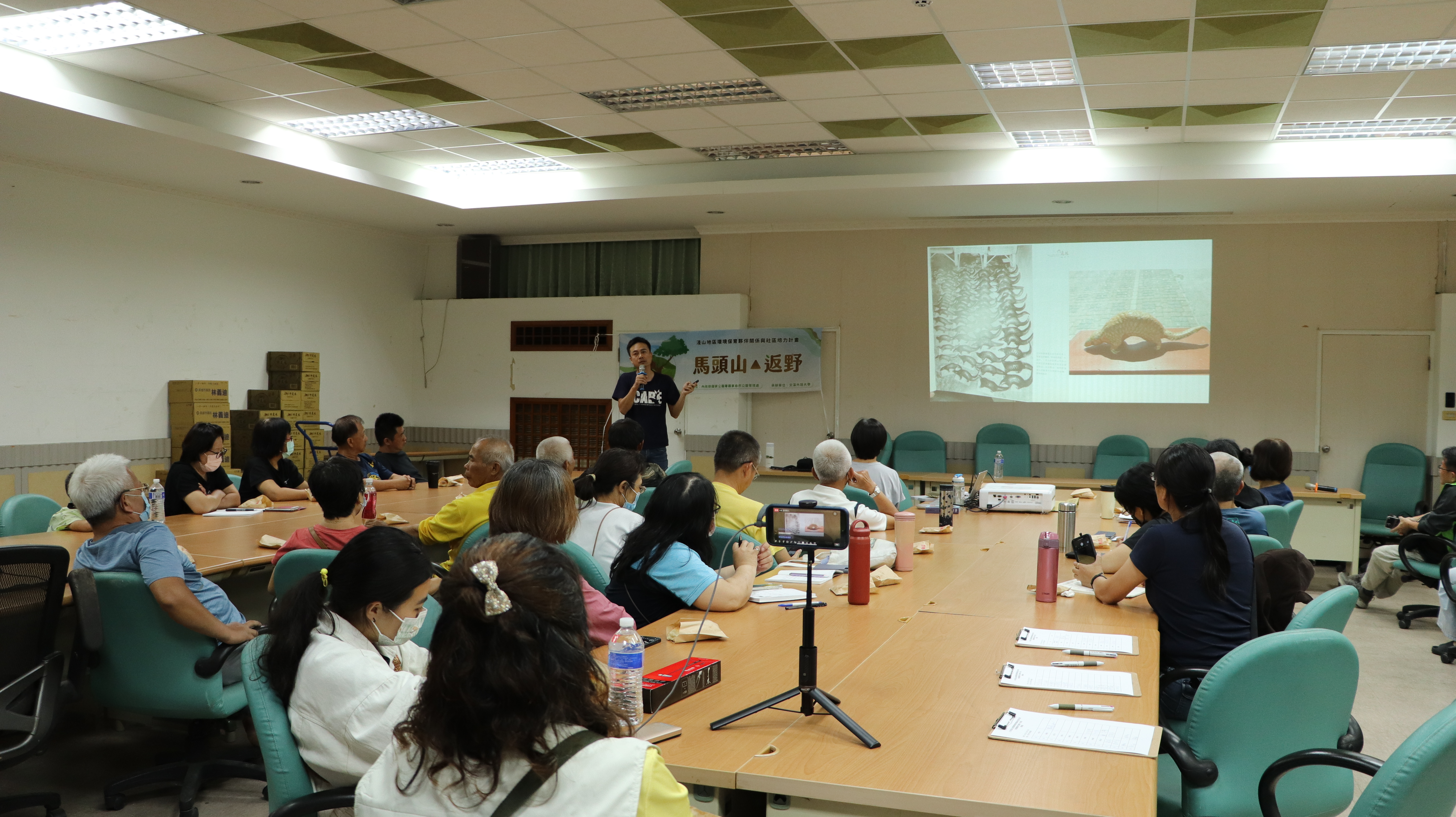
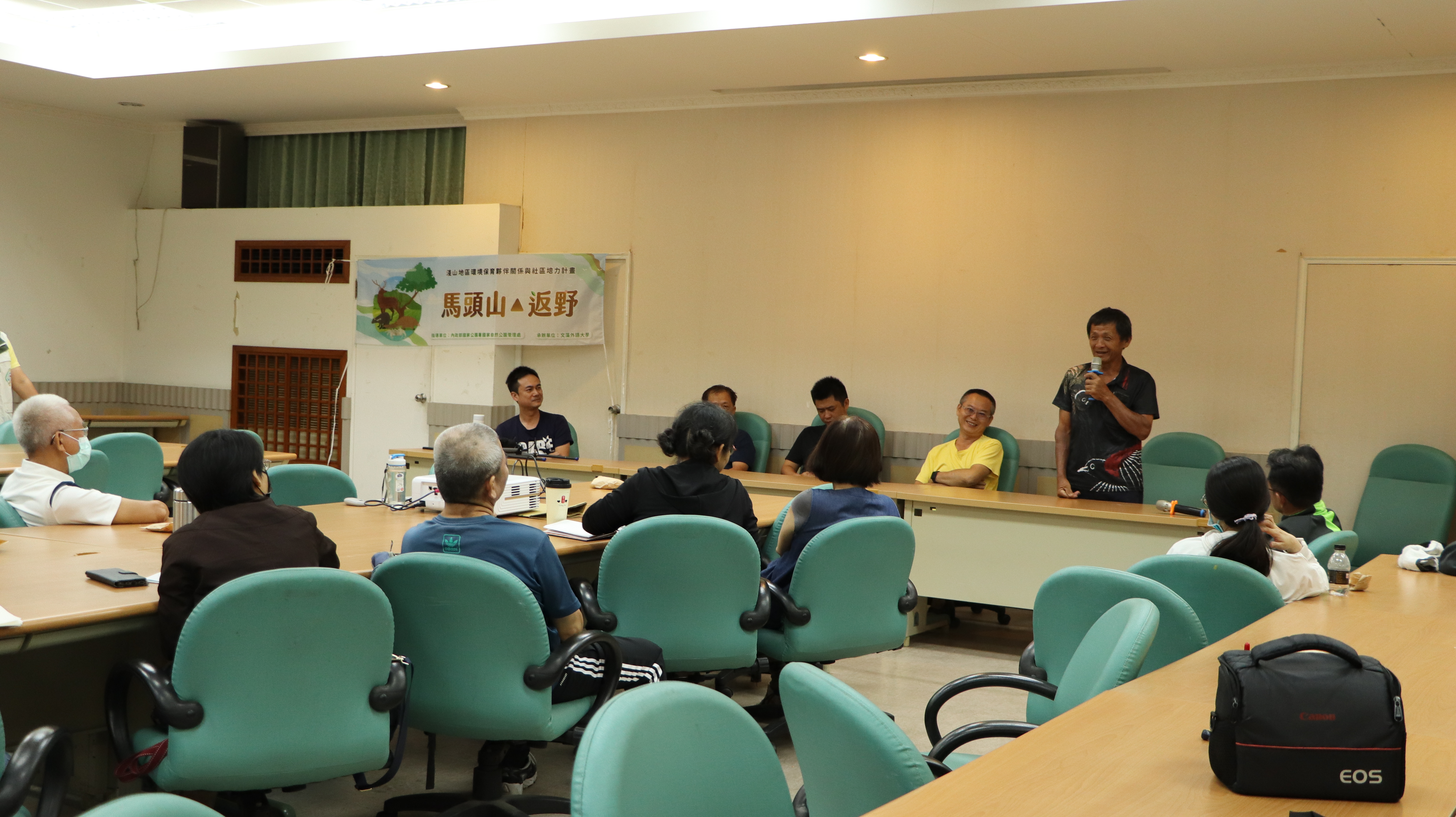
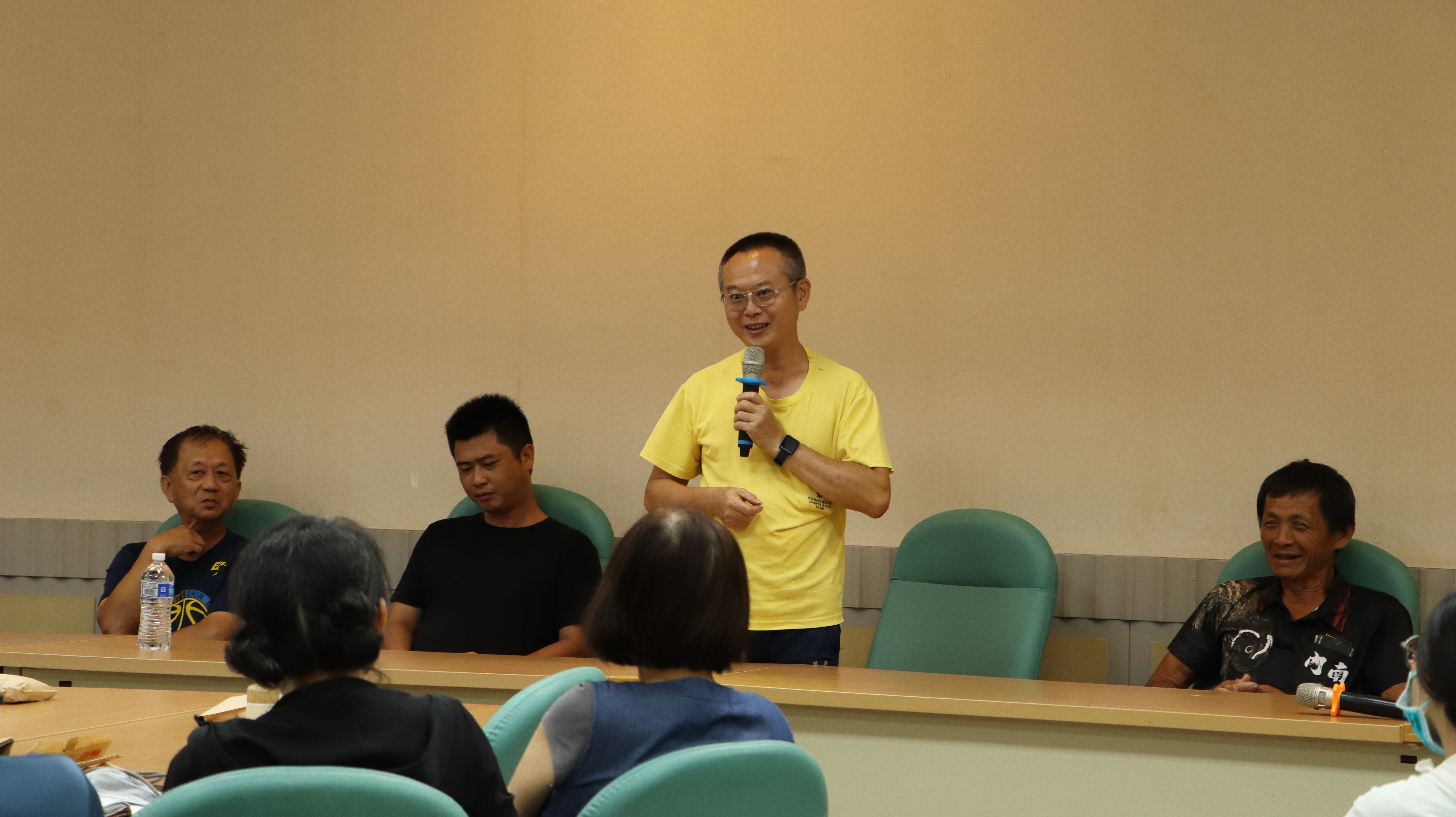
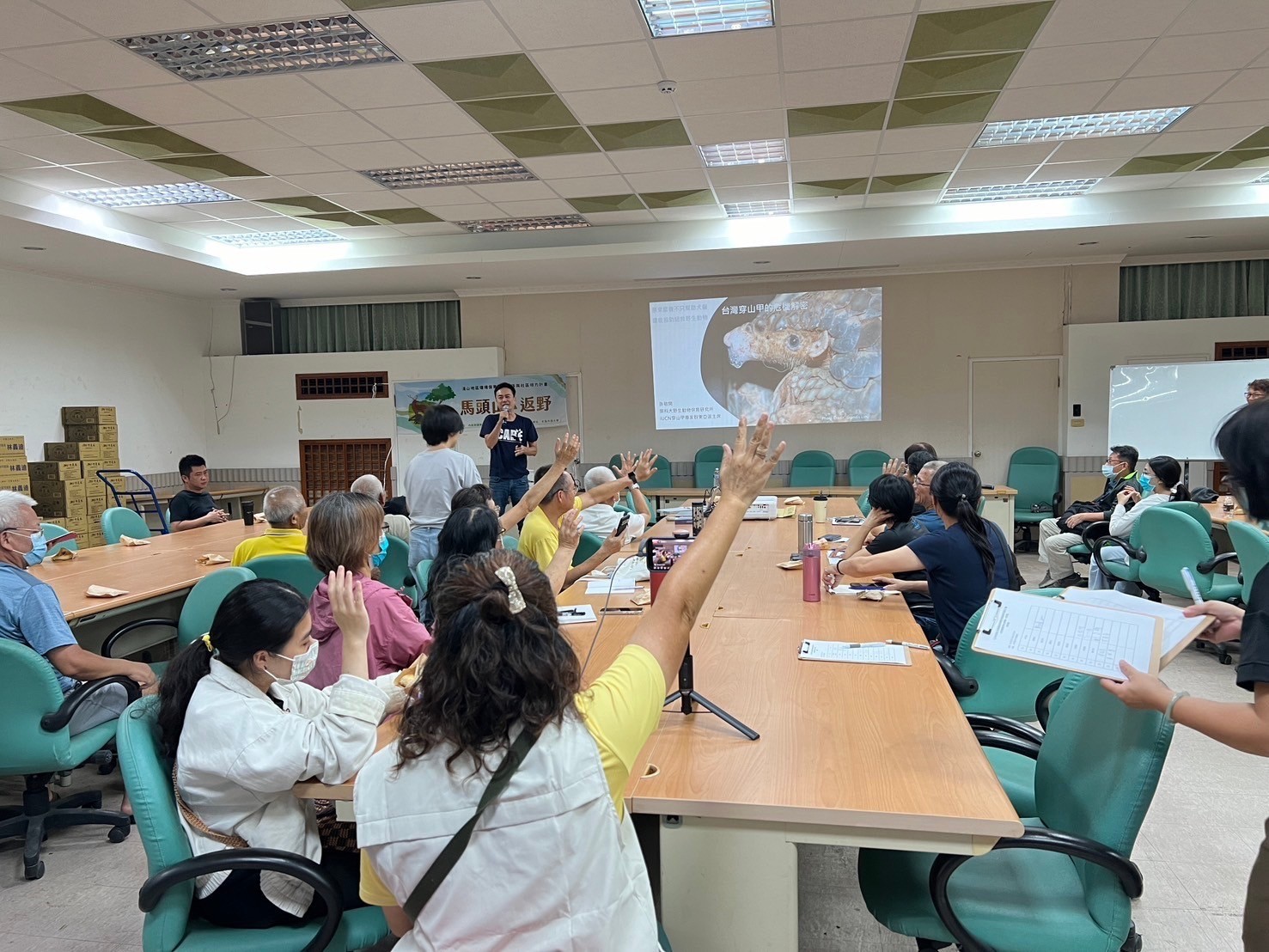
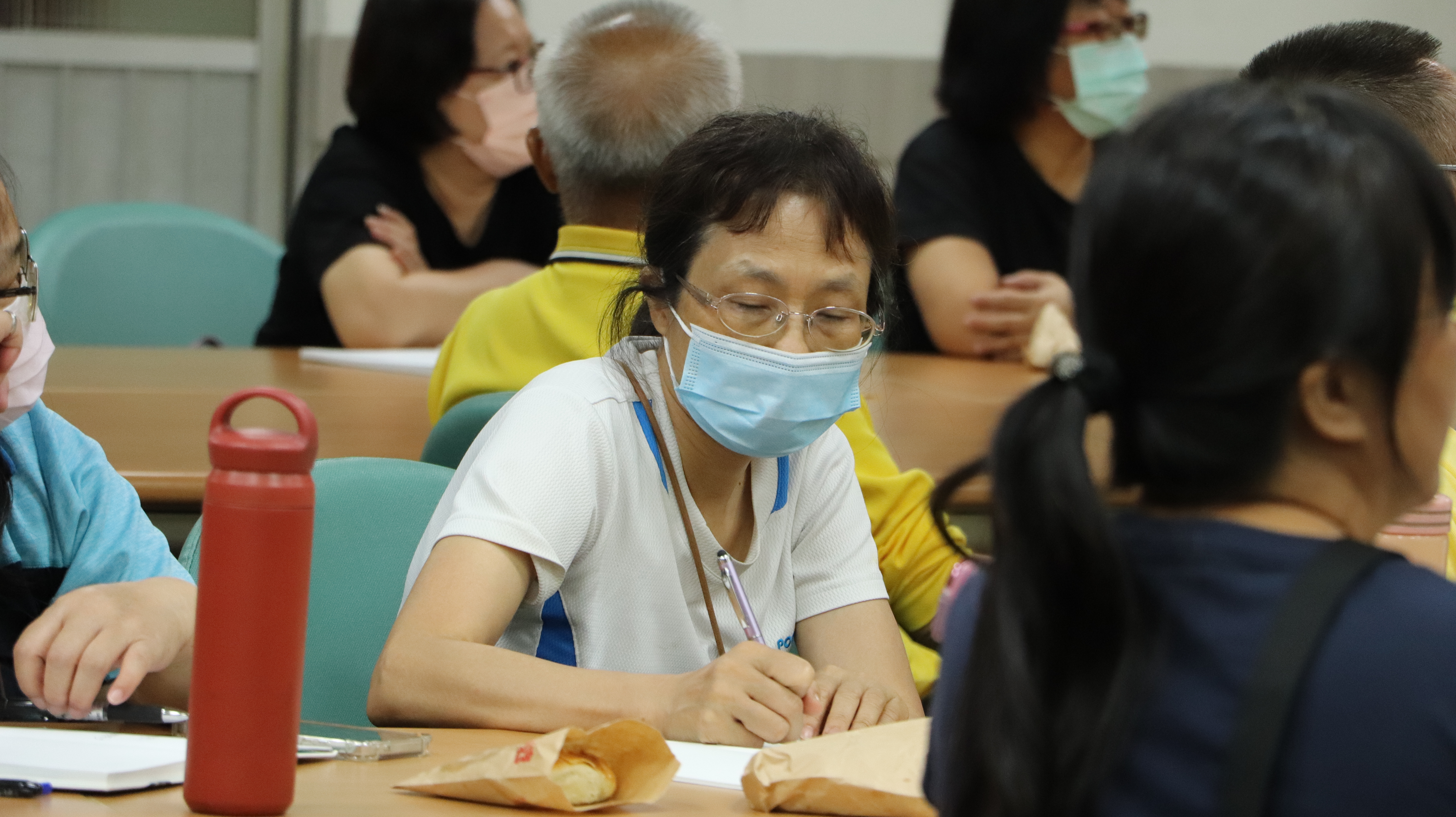
今日馬頭山地區在地特色共創社群–人文生態調查研究社群辦理第一次研習,邀請屏東科技大學的孫敬閔助理教授來分享馬頭山地區的保育動物—穿山甲的習性及其生態保育的相關知識。孫老師提到,現在學界正式分類的穿山甲共有八種,皆分布於亞洲與非洲地區,而最近科學家又在一批走私的穿山甲鱗片當中意外發現了新品種,是不同於已知品種的第九種穿山甲,但目前對於此品種的認識僅止於此,其外型與分布位置還無從得知。這八種穿山甲中,有分布在非洲、身形最小的黑腹穿山甲,因為主要棲息在樹上,尾巴長度可到身長的二至三倍長,利於掛在樹枝上活動,體型最大的則是身長最長可到兩公尺、體重大約30至40公斤的大穿山甲。
Today, the Shallow Mountain Area Environmental Conservation Partnership and Community Empowerment Project’s Cultural and Ecological Research Community held its first workshop. Assistant Professor Sun Ching-Min from the National Pingtung University of Science and Technology was invited to talk about the habits and the conservation of pangolin, a protected animal in the Ma-tou Mountain area. Professor Sun mentioned that there are officially eight species of pangolins, and they are all distributed across Asia and Africa. Recently, scientists discovered a new species by examining a batch of smuggled pangolin scales. This species is unlike the known ones and is considered the new ninth species. However, we currently know little about its appearance and habitat. Among the eight species, the black-bellied pangolin, found in Africa, is the smallest and inhabits trees. Its tail can be two to three times the length of its body, which helps it move among branches. The largest species, the giant pangolin, can be up to two meters long and weigh about 30 to 40 kilograms.
穿山甲的命名由來是他們善於挖掘的習性,感覺「能夠把山挖穿」而得名,也因此,牠們有著尖尖長長、方便挖洞的前爪。而在台語當中,穿山甲被稱為「鯪鯉」(lâ-lí)。孫老師也講到導致穿山甲數量遞減的人為因素:一則是其鱗片在中藥學中有通乳、活血的功效,二則是早期穿山甲標本受到國外收藏家喜愛,穿山甲的高經濟價值使得牠們遭到大量濫捕。另外,也因為穿山甲本身移動速度較慢、容易捕捉,以及牠們一年只生一胎,繁衍速度無法跟上人類獵捕的速度,造成各地穿山甲族群皆被列為瀕危野生動物。
The name chuān shān jiǎ is derived from the digging habit of pangolins, as they are thought to be able to dig through mountains with their sharp, long claws ideal for burrowing. In Taiwanese, pangolins are referred to as lâ-lí. Professor Sun also discussed the factors of the decline in pangolin numbers caused by humans: first, their scales are used in traditional Chinese medicine for lactation and blood circulation, and second, pangolin specimens were highly prized by foreign collectors in the early days. Their high economic value then leads to extensive poaching. Furthermore, pangolins move slowly, are easy to capture, and produce only one offspring per year, so their reproduction cannot keep up with our overhunting, resulting in pangolins being listed as endangered wildlife worldwide.
台灣穿山甲為台灣唯一的原生種穿山甲,分布在中國本土、海南島與台灣的中華穿山甲的亞種。台灣穿山甲棲息於海拔1,000公尺以下的淺山區域,主要的食物來源為蟻類,因此牠們「逐螞蟻而居」,不管是在森林、草地,甚至是人類聚落,只要有螞蟻的地方,皆能看到牠們的身影。在台灣,野生穿山甲也被列為重點保育物種,為了更有效保護穿山甲族群,全台野生動物救傷中心統計穿山甲受傷成因,而大部分都是犬隻攻擊以及獸鋏致傷。其中,犬隻攻擊對穿山甲群體最為致命,一方面可能造成穿山甲重傷甚至喪命,另一方面,許多案例皆為流浪犬直接咬斷穿山甲的尾巴,由於牠們的育幼習性為穿山甲寶寶會攀附在媽媽的尾巴末端一起行動,媽媽失去尾巴就可能增加小穿山甲成長中會面臨到的風險。
The Taiwan pangolin is the only native species of pangolin in Taiwan. It is the subspecies of the Chinese pangolin found in the mainland of China, Hainan Island, and Taiwan. Taiwan pangolins inhabit shallow mountain areas below an elevation of 1,000 meters and primarily feed on ants. They are often spotted wherever ants are clustered, including forests, grasslands, and even human settlements. In Taiwan, wild pangolins are also listed as a key protected species. To better conserve pangolin populations, wildlife rescue and research centers across Taiwan track the causes of pangolin injuries, with most injuries resulting from stray dog attacks and snap trap captures. Dog attacks are particularly fatal to pangolins as they may cause severe wounds or death, and many cases involve stray dogs biting off pangolins’ tails. Since pangolin babies grow up clinging to their mothers’ tails and get carried around, mothers losing tails increases the risks pangolin babies may face in the wild.
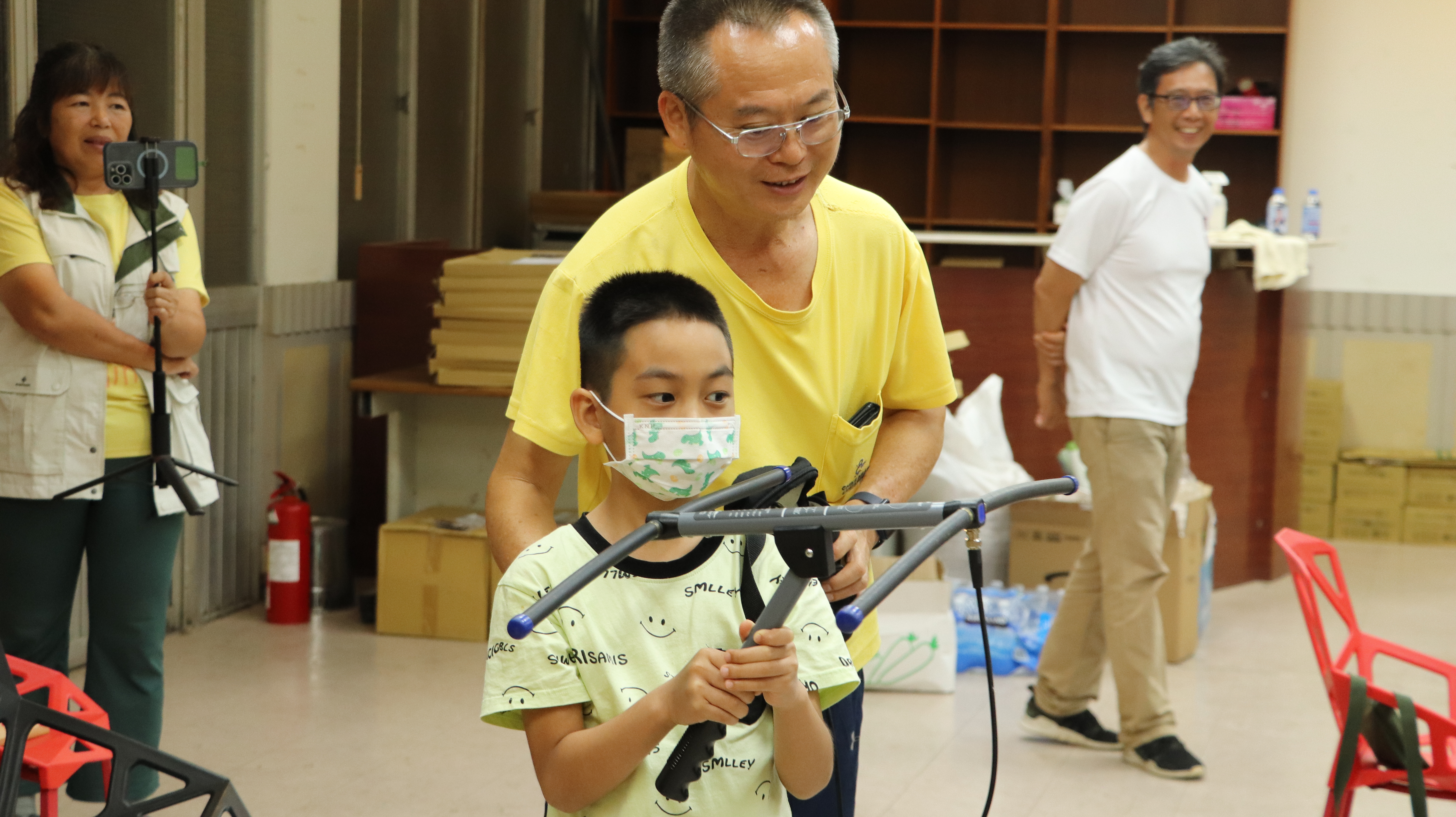
孫老師於活動中播放由他所帶領、高雄市馬頭山自然人文協會籌組的穿山甲研究團隊在馬頭山地區展開的穿山甲保育行動所拍攝的紀錄片片段,其中的主角便是受到流浪犬攻擊而失去一部分尾巴的穿山甲–阿花。紀錄呈現協會成員追蹤與記錄阿花養育穿山甲寶寶的過程,紀錄片後,穿山甲研究團隊也向現場與會者分享參與穿山甲保育的心路歷程與感想。活動最後,孫老師利用有趣的實作讓大家體驗如果尋找穿山甲,他先解釋裝設於穿山甲身上的無線電發報器怎麼運作,以及追蹤器該如何使用,並邀請夥伴戴上裝備體驗。
During the workshop, Professor Sun showed the participants the documentary by his pangolin research team under the organization of the Kaohsiung Ma-tou Mountain Natural and Cultural Association. The documentary introduced the pangolin named Ah-Hua, who had lost part of her tail due to a stray dog attack. The film documented the association’s efforts to track and record Ah-Hua’s rearing for her young. Later, the research team shared their experiences and reflections on their participation in pangolin conservation. At the end of the event, Professor Sun conducted a hands-on session which allowed the attendees to experience how they track pangolins. He explained how the radio transmitter attached to pangolins works, demonstrated how to use the tracking equipment, and invited participants to try it out.
淺山地區環境保育夥伴關係與社區培力計畫旨在促進在地與社群成員自願性的參與及投入生態保育為目標,共同對外推廣馬頭山地區與的環境永續發展模式。下一次的人文生態調查研究社群將邀請劉烘昌博士分享「陸蟹生態」,歡迎對馬頭山地區之人文及生態保育有興趣的民眾,進一步參與及關注,請追蹤計畫臉書粉絲專頁:於臉書搜尋「馬頭山返野」並按「讚」,就可即時獲得計畫最新活動資訊。
The Shallow Mountain Area Environmental Conservation Partnership and Community Empowerment Project aims to stimulate voluntary participation in ecological conservation of both local and community members, which promotes the developing environmental sustainability of the Ma-tou Mountain area. The next workshop by the Cultural and Ecological Research Community will feature Dr. Liu Hong-Chang, who will discuss “The Land Crab Ecology of Ma-tou Mountain." Friends who are interested in the culture and conservation of the Ma-tou Mountain area are welcome to participate in our project. To keep up with our latest news, please follow the Facebook fan page of the project by entering “馬頭山返野" on Facebook and “Like" the page.
 馬頭山返野
馬頭山返野 